Key Takeaways
- Structured active warm-up routines can reduce sports injury risk by 30-50%, particularly for muscle strains and ligament injuries.
- Active warm-ups outperform static stretching before exercise - static stretching can actually reduce muscle strength and power right before activity.
- Early intervention is critical: addressing minor pain before it escalates is a commonly overlooked injury prevention strategy athletes use.
- When warm-ups alone aren't enough, regenerative treatments like PRP and BMAC can help the body heal from the inside out - more on that below.
- Dr. Jordan Sudberg MD of Spine and Sports Rehabilitation in Islandia, NY, emphasizes a multi-layered approach to keeping athletes moving pain-free long-term.
Most athletes know they should warm up. Far fewer understand how to do it in a way that actually protects their body. The difference between a five-minute jog and a structured warm-up routine isn't minor - it could mean the difference between a full season and six weeks on the sideline.
30-50% Fewer Injuries - Just From Warming Up Right
Clinical research consistently shows that structured warm-up routines can cut sports injury risk by 30 to 50 percent, especially for muscle strains and ligament injuries. For competitive athletes and weekend warriors alike, that's a significant margin of protection that costs nothing but a few extra minutes before activity.
The reason is straightforward: muscles that are cold, stiff, and poorly circulated are vulnerable. Tissue that hasn't been prepared for sudden force or rapid movement tears far more easily than tissue that's been primed. A proper warm-up changes the physical state of the body before performance begins - and that preparation is where the protection lives.
The type of warm-up matters just as much as doing one at all. There's a meaningful gap between static stretching and active movement - and most athletes are still on the wrong side of it. For a closer look at how soft tissue treatment complements injury prevention, this breakdown of trigger point therapy vs. regular massage is worth reading alongside a warm-up routine.
Why Active Warm-Ups Beat Static Stretching
What Active Warm-Ups Actually Do to Your Body
An active warm-up triggers a chain of physiological changes that make the body ready to move hard and move safely. When done correctly, it produces:
- Increased heart rate and blood circulation - delivering more oxygen and nutrients to working muscles
- Higher muscle temperature - making muscle fibers more pliable and less likely to tear under load
- Improved joint range of motion - reducing mechanical stress on cartilage and connective tissue
- Decreased muscle stiffness - lowering the threshold at which a muscle can absorb force without injury
- Enhanced nervous system activation - sharpening neuromuscular coordination and reaction time
Together, these changes create a body that's mechanically and neurologically prepared for athletic demands - which is exactly what static stretching fails to deliver.
The Static Stretching Mistake Athletes Still Make
Static stretching - holding a stretch for 20 to 30 seconds - has its place, but that place is after a workout, not before it. Sports science is clear: performing static stretches before activity temporarily reduces muscle strength and power output. The pre-run hamstring stretch that feels productive may actually leave less power in those muscles when it matters most.
Active alternatives - leg swings, hip circles, arm circles, walking lunges, high knees - do the opposite. They build mobility without compromising the contractile strength muscles need to perform. The motion itself is the warm-up, which is what makes it so effective.
What Dr. Jordan Sudberg MD Says Athletes Get Wrong
Dr. Jordan Sudberg MD, a Sports Medicine Specialist at Spine and Sports Rehabilitation in Islandia, NY, works with athletes across a wide spectrum - from recreational runners to competitive professionals. One pattern he sees repeatedly: athletes treat discomfort as something to push through rather than something to address. That mindset is where preventable injuries are born.
Early Intervention: Treating Pain Before It Becomes Injury
Minor soreness that lingers for days, a joint that feels off, tightness that doesn't resolve with rest - these are signals, not noise. Early intervention is one of the most powerful injury prevention tools available, and it's consistently underused.
When early warnings are ignored, compensation patterns develop. A slightly strained hip flexor changes how someone runs. That altered gait stresses the knee. The knee discomfort changes foot strike. Before long, a small, treatable issue has become a layered, complex injury requiring significant recovery time. Catching pain early - and addressing it with targeted physical therapy, manual treatment, or diagnostic evaluation - keeps athletes in the game.
When Warm-Ups Aren't Enough: Regenerative Medicine
Even the best warm-up routine won't prevent every injury. High-impact sports, cumulative overuse, and the reality of physical wear mean that some tissue damage will occur over an athletic lifetime. That's where regenerative medicine has changed the equation.
PRP and BMAC: Healing From the Inside Out
Platelet-Rich Plasma (PRP) therapy concentrates platelets from the patient's own blood and injects them directly into the injured area. Platelets carry growth factors that trigger tissue repair and reduce inflammation, effectively jumpstarting the body's natural healing process in a targeted location.
Bone Marrow Aspirate Concentrate (BMAC) takes a similar approach at a deeper biological level, drawing on stem cell-rich material from bone marrow to support tissue regeneration. Both treatments work with the body rather than around it, which is why recovery outcomes tend to be more durable.
Which Injuries Respond Best to Regenerative Treatment
Research supports the use of PRP and stem cell therapies for a range of sports-related conditions, including:
- Tendinopathy - chronic tendon degeneration from overuse, common in runners, tennis players, and jumpers
- Muscle tears - partial tears that haven't fully resolved with conservative care
- Ligament injuries - sprains and partial ligament damage that benefit from growth factor stimulation
- Chondral injuries - cartilage damage in joints like the knee or shoulder
For the right injury profile, these treatments can shorten recovery timelines meaningfully and reduce the likelihood of re-injury.
Beyond the Warm-Up: Non-Drug Pain Management
Sustainable athletic performance depends on a broader ecosystem of physical care. Evidence-backed approaches include physical therapy to rebuild strength and correct movement imbalances, targeted strength training to support vulnerable joints, massage therapy for localized muscle tension, and active recovery habits that allow tissue repair between sessions. The goal is building a body that's more resilient to the stresses that cause pain - not just managing pain after it arrives.
Start Warming Up Smarter - Your Injury-Free Future Depends on It
The research is consistent, the physiology is clear, and clinical outcomes back it up: how an athlete prepares their body before movement directly shapes how often that body breaks down. A well-structured active warm-up, built around movement rather than stillness, is one of the simplest and most effective tools in any athlete's injury prevention toolkit.
Pair that with an honest relationship with pain - intervening early rather than pushing through - and supplement with regenerative treatments when tissue damage demands more than rest, and long-term athletic health becomes far more achievable. The margin between an athlete who stays healthy and one who doesn't is often not talent or training volume. Preparation, awareness, and access to the right care at the right time make the difference.
For athletes on Long Island looking to build that foundation, Spine and Sports Rehabilitation offers sports medicine and pain management expertise from Dr. Jordan Sudberg to help keep athletes performing at their best.
Long Island Pain Management Doctor Dr. Jordan Sudberg MD Releases The Performance Prescription as Youth Sports Injuries Remain a National Health Concern
New book combines years of clinical experience with evidence-based injury prevention strategies to help athletes, parents, coaches, and active adults reduce injury risk and recover smarter.
Key Takeaways
- Approximately 3.5 million children under age 14 receive medical treatment for sports injuries each year.
- Many sports injuries can be prevented through proper conditioning, movement preparation, recovery, and early intervention.
- Dr. Jordan Sudberg MD, a leading Long Island Pain Management Doctor, shares practical strategies developed through years of treating athletes and active individuals.
- The announcement has already received widespread syndication across respected business and news platforms.
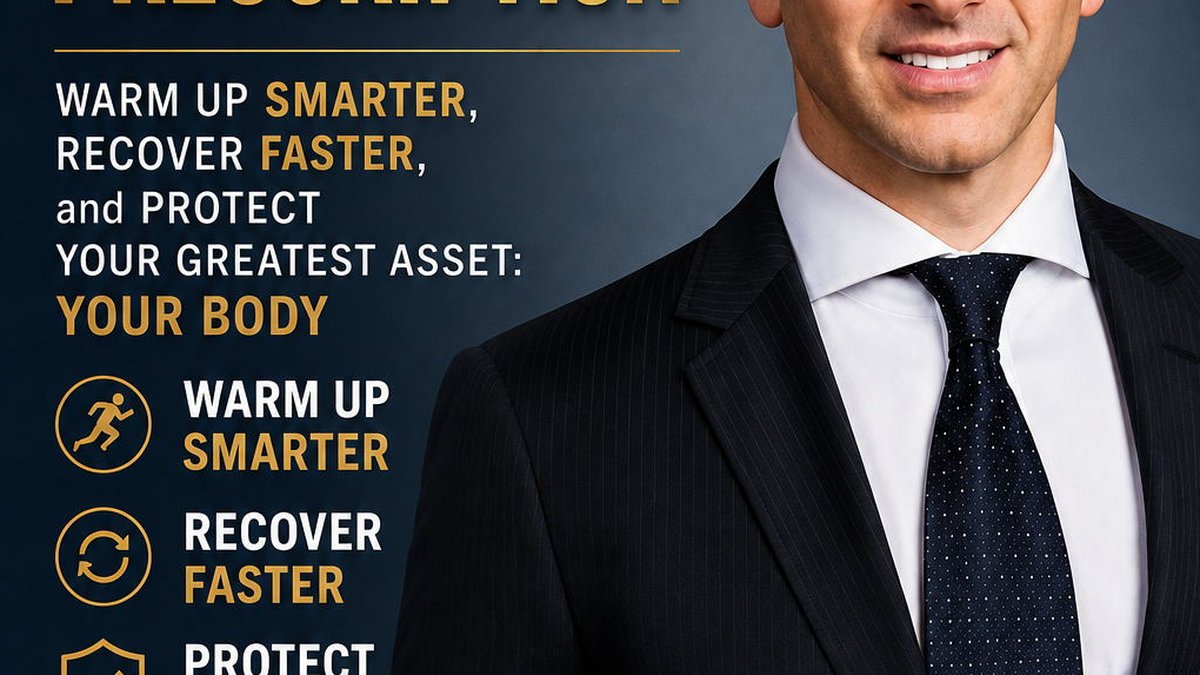
Responding to this growing public health challenge, Long Island Pain Management Doctor Dr. Jordan Sudberg MD has announced the forthcoming publication of The Performance Prescription: Warm Up Smarter, Recover Faster, and Protect Your Greatest Asset: Your Body - A Pain Management Doctor's Guide to Injury Prevention and Recovery.
The announcement has already generated significant media attention, with syndicated coverage appearing on UBC News World, Simplecast, Captivate, Wedbush, ChronicleJournal, MarketersMedia and FinancialContent, demonstrating growing national interest in sports injury prevention and evidence-based pain management.
Drawing upon years of experience treating children, adults, competitive athletes, and active professionals, Dr. Jordan Sudberg MD believes the most effective pain treatment often begins long before an injury occurs.
"Pain is often the body's earliest warning system, not its enemy," said Dr. Jordan Sudberg MD. "When people understand how to warm up correctly, recover intentionally, and recognize the first signs of overuse, they can often prevent minor problems from becoming chronic injuries that affect them for years. My goal is to help readers stay active by making prevention part of their everyday routine."
As CEO and Medical Director of Spine & Sports Rehabilitation, Dr. Jordan Sudberg MD has devoted his career to helping patients recover from sports injuries, spine disorders, musculoskeletal conditions, nerve pain, and chronic orthopedic problems through evidence-based, patient-centered care. His approach integrates advanced diagnostics, rehabilitation, interventional pain management, and personalized treatment plans that address the underlying causes of pain while helping patients reduce future injury risk.
Unlike many books written exclusively for elite athletes, The Performance Prescription is designed for anyone who depends on their body to work, compete, exercise, or simply enjoy an active lifestyle. Whether readers are parents of young athletes, coaches, personal trainers, runners, golfers, pickleball enthusiasts, or active older adults, the book provides practical guidance that can be implemented immediately.
Inside The Performance Prescription, readers will learn how to:
- Build effective warm-up routines that prepare muscles and joints for activity.
- Improve flexibility and mobility while reducing injury risk.
- Identify early warning signs before small injuries become chronic pain.
- Prevent common overuse injuries.
- Recover more efficiently through physician-guided rehabilitation principles.
- Recognize when discomfort is normal and when medical evaluation is warranted.
- Develop lifelong habits that support movement, resilience, and healthy aging.
The book reflects recommendations supported by leading healthcare organizations including the Centers for Disease Control and Prevention Injury Center, the American Academy of Pediatrics, the American College of Sports Medicine, and the American Academy of Orthopaedic Surgeons, all of which emphasize injury prevention, proper conditioning, and early intervention as essential components of lifelong health.
"The human body is remarkably resilient when we give it the opportunity to recover properly," Dr. Jordan Sudberg MD added. "Performance isn't simply about training harder. It's about training smarter, recovering with purpose, and protecting the body that makes every achievement possible."
Why This Book Matters
As preventive medicine becomes an increasingly important component of modern healthcare, The Performance Prescription encourages readers to take ownership of their physical health before pain limits performance or quality of life. Rather than treating injuries as unavoidable, Dr. Jordan Sudberg MD presents a practical framework for helping athletes and active individuals reduce injury risk through informed decision-making and evidence-based movement strategies.
Publication details, preorder information, media interviews, and speaking engagements will be announced in the coming weeks.
Verified Press Coverage
The announcement has been syndicated through multiple respected media platforms, including:
- UBC News World
- Simplecast
- FinancialContent
- Minyanville
- Captivate
- Wedbush
- ChronicleJournal
- MarketMinute
- MarketersMedia
References
- National Safety Council Sports Safety
- CDC Injury Center
- CDC Sports Injury Statistics 2026
- American Academy of Pediatrics
- American College of Sports Medicine
- American Academy of Orthopaedic Surgeons - US High School Athlete Injuries 2023
- Pain Management Statistics 2025
- Healthcare Treatment Statistics 2025
- National Library of Medicine: Injury Prevention
About Dr. Jordan Sudberg MD
Dr. Jordan Sudberg MD is a board-certified physician specializing in Pain Management and Physical Medicine & Rehabilitation and serves as CEO and Medical Director of Spine & Sports Rehabilitation. Recognized as a leading Long Island Pain Management Doctor, he has dedicated his career to helping children, adults, athletes, and active individuals recover from sports injuries, musculoskeletal disorders, spine conditions, nerve pain, and chronic pain while promoting long-term health through prevention and rehabilitation.