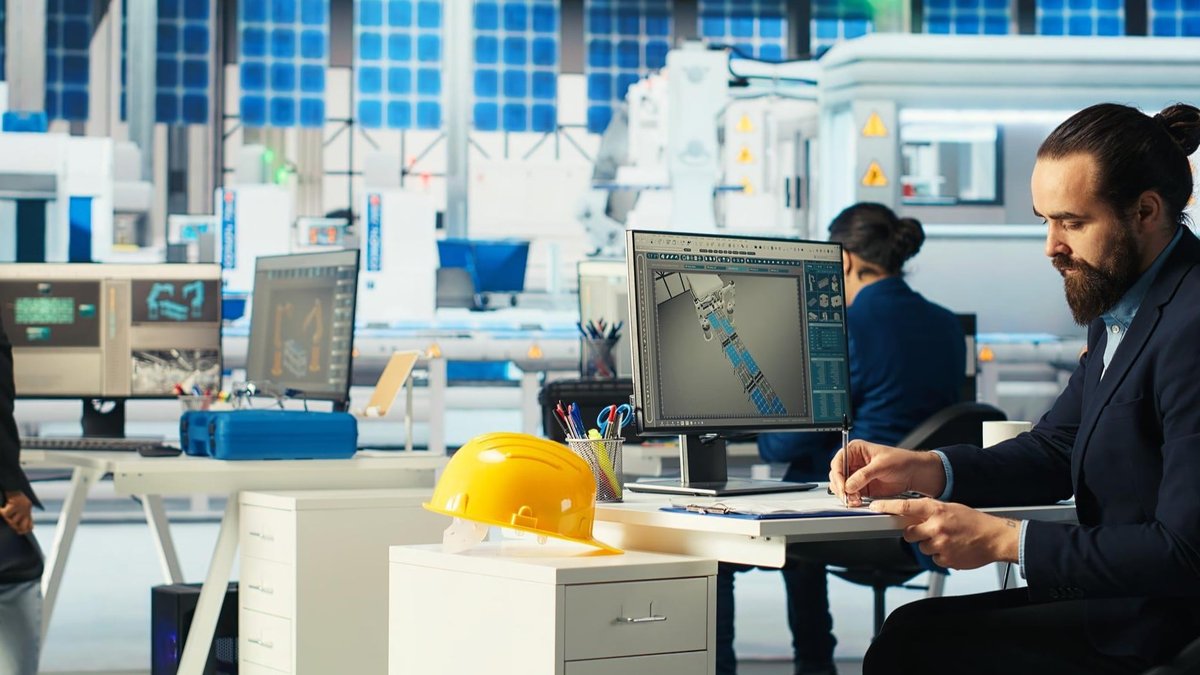
Artificial intelligence is moving beyond research environments into production systems, logistics networks, and service operations. Organizations are integrating AI into workflows to improve efficiency, reduce costs, and support decision-making across complex processes.
This shift is creating demand for professionals who understand how artificial intelligence functions within operational settings. The focus extends beyond model development to include deployment, integration, and performance within existing systems.
Toronto has become a key location for this transition. Its combination of technology growth, industrial activity, and service-based sectors supports the continued expansion of applied artificial intelligence across industries.
International Business University’s MSc in Applied AI - Industrial Innovation specialization focuses on this intersection between artificial intelligence and industry.
More information is available here: https://ibu.ca/msc-in-applied-artificial-intelligence/industrial-innovation/
Why Applied Artificial Intelligence Matters
Many academic programs emphasize theory and algorithm development. Industry requires a different approach.
Organizations need professionals who can apply artificial intelligence within operational systems. This includes integrating automation, managing data infrastructure, and aligning technology with business processes.
Applied artificial intelligence in industrial settings often involves:
- improving production efficiency
- optimizing logistics and supply chains
- integrating robotics into operations
- supporting data-driven decision-making
- aligning performance with sustainability considerations
This shift is influencing how graduate programs are developed.
A Specialization Focused on Industry Application
The MSc in Applied AI - Industrial Innovation specialization at International Business University focuses on applying artificial intelligence across production, logistics, and services.
Students develop the ability to design and deploy intelligent systems within operational environments. The program combines technical knowledge with an understanding of how systems function within business processes.
How Students Progress Through the Program
Semester 1: Building Technical Foundations
Students establish core knowledge in artificial intelligence, machine learning, and data systems.
- Fundamentals of Artificial Intelligence
- Machine Learning and Deep Learning
- Data Science and Data Mining Techniques
- Human-Computer Interaction Design
This stage provides the technical foundation for understanding how intelligent systems process data and interact with users.
Semester 2: Applying Artificial Intelligence in Industry
Students examine how artificial intelligence is used across operational and service environments.
- Applications of Artificial Intelligence in Services
- Emerging Artificial Intelligence Industries and Ventures
- Industrial Automation, Manufacturing Innovation, and Sustainability
- Robotics for Service Innovation
At this stage, students begin working with systems used in production, logistics, and service contexts.
Semester 3: Managing Systems and Change
Students select two areas that strengthen their ability to manage systems, projects, and data-driven decision-making.
Choose 2 of the following 3:
- Information Systems and Digital Transformation
- Project Management: Social-Technical Approach
- Advanced Business Analytics
This stage builds the ability to evaluate system performance and manage implementation within organizational settings.
Semester 4: Capstone Project
Students apply their knowledge to a defined industrial challenge.
- Capstone Project: Artificial Intelligence and Industrial Innovation
This project brings together technical skills, operational understanding, and problem-solving within a single application.
Learning Through Application
The program includes applied projects across each term.
Students work on industry-focused problems, developing the ability to address challenges within operational environments. The progression leads to a capstone project centered on an industrial artificial intelligence challenge.
The emphasis remains on applying technical knowledge within systems that deliver clear operational results.
Ethics and Sustainability in AI
As artificial intelligence becomes more integrated into operations, considerations around impact and accountability increase.
The program addresses:
- responsible deployment of AI systems
- sustainability in operational processes
- evaluation of limitations within complex environments
This perspective reflects how organizations assess both performance and long-term implications.
How IBU Students Excel in Industry
Graduates of this specialization are prepared to contribute within environments where artificial intelligence is applied to operations and systems.
They develop the ability to:
- design and deploy automation solutions
- integrate robotics and intelligent systems into workflows
- evaluate system performance and identify improvements
- apply data-driven thinking to operational decisions
- assess risks and limitations of AI in complex environments
This combination of technical capability and applied understanding allows graduates to work across engineering, data, and business functions.
Career Pathways
Graduates may pursue roles such as:
- Industrial Innovation Specialist
- Robotics and AI Integration Manager
- Automation Engineer
- Manufacturing Data Analyst
- Operations Consultant
These roles reflect how artificial intelligence is applied across production, logistics, and service environments.
Studying in Toronto
Toronto continues to expand as a centre for technology and applied systems. Organizations across sectors are adopting artificial intelligence to improve operations and manage complexity.
International Business University’s downtown campus places students within this environment, providing proximity to industries applying artificial intelligence across production and services.
Outcome
Graduates leave the program prepared to work in environments where artificial intelligence supports operations, decision-making, and system performance. They bring both technical knowledge and the ability to apply it within structured industrial and business settings.