Key Takeaways
- Microfiber towels prevent swirl marks and scratches because their split fibers pull dirt away from paint instead of dragging it across the surface
- Pile length determines a towel's job, from ultra-low pile for screens to high pile for waterless washing and drying
- Buying two or three moderately priced microfiber towels tends to work better than splurging on one expensive option since none of them last forever
- This piece breaks down which pile type to grab for waxing, drying, or wiping down glass so nothing gets scratched by accident
- Experts point to edgeless construction and proper folding technique as key habits for keeping paint scratch-free during every wash
Every car owner who has ever spotted a spiderweb of fine scratches under bright sunlight knows the sinking feeling that follows. Those hairline marks, known as swirl marks, usually trace back to one culprit hiding in plain sight: the cloth used to wipe the paint.
Microfiber towels have become the go-to tool for automotive detailing enthusiasts and weekend washers alike, and understanding why they work can save a paint job from years of accidental damage.
Why Cheap Cloths Cause Swirls
Reaching for whatever towel is closest, whether it's an old bath towel, a kitchen sponge, or a bargain-bin rag, feels harmless in the moment. Those materials are woven from thick, flat fibers that behave more like sandpaper than a cleaning tool once dirt gets involved. Instead of lifting grit away from the surface, they trap it against the paint and drag it around with every swipe, carving tiny scratches that build up into the dull, hazy look many drivers mistake for normal aging.
Glass suffers just as much as paint. Cotton towels and paper products tend to leave streaks and lint behind, forcing a second and third pass that only increases the odds of grinding leftover particles into the clear coat. Choosing the wrong wash media does more than create extra work; it slowly erodes a vehicle's finish one wash at a time, which is exactly the kind of damage a proper microfiber setup is designed to prevent.
The Science Behind Scratch-Free Cleaning
Microfiber gets its name honestly. Each strand splits into channels far finer than a human hair, which dramatically increases the surface area available to grab onto dirt, dust, and moisture. That expanded surface area works alongside capillary action, pulling contamination away from the paint and holding it inside the towel rather than letting it linger on top of the surface where it can grind in with pressure.
There's also a bit of everyday physics at work. The fine fibers in microfiber carry a slight negative charge, and dirt, dust, and water particles tend to carry a positive charge, so the towel naturally draws contamination toward itself rather than pushing it around. High-quality microfiber can hold several times its own weight in water, which keeps a towel from oversaturating too quickly during a wash or dry. Edgeless construction rounds out the design, removing the stitched borders that can act like tiny blades against delicate clear coat.
Technique matters just as much as the towel itself. Folding a microfiber cloth into quarters creates several clean surfaces to rotate through during a single wipe-down, and avoiding a balled-up, wadded grip keeps grit from concentrating in one spot and dragging across the paint.
Pile Type Determines the Purpose
Pile refers to the long strands visible on a microfiber towel's surface, and the length of that pile is what decides the towel's job. Grabbing the wrong pile for the wrong task is one of the most common mistakes even experienced detailers make, so matching pile type to purpose is worth learning well.
Ultra-Low and No-Pile Cloths
These are the thin cloths that come packaged with sunglasses or eyeglasses, and they excel at one very specific task: lifting human oil and tiny particles without smearing them around. That makes them perfect for phone screens, infotainment displays, and any glossy interior surface prone to fingerprints. Beyond that narrow lane, they don't offer much protection or absorbency, so they should stay out of the rotation for actual paint work.
Low and Medium-Pile Cloths
Running a hand over one of these towels produces a slightly scratchy feel, almost like soft Velcro, because microscopic hooks in the fibers are designed to grab onto residue. That texture suits low-pile towels for precision polishing and glass cleaning, while longer-pile towels tend to do a better job applying and removing wax or sealant, since the extra fiber length cushions the residue instead of grinding it in. The same grabby quality also means dropped towels should be set aside rather than reused immediately, since large trapped particles can scratch paint if the cloth goes right back to work without a proper rinse.
High-Pile Towels
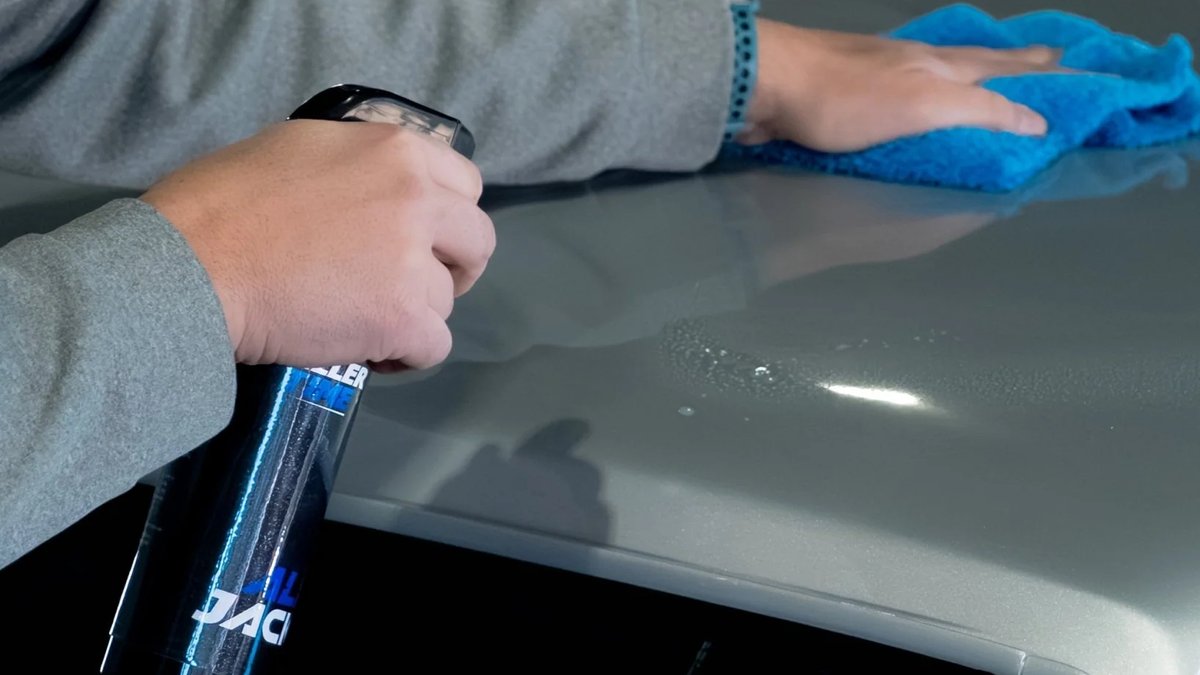
Longer strands mean more surface area, which translates into serious absorbency and safer debris trapping. High-pile towels are the right choice for waterless washing methods that rely on quick detail sprays, since the extra pile cushions dust and small particles away from the clear coat during wiping. They also perform well for general drying, though glass calls for a dedicated smooth, non-abrasive microfiber towel rather than a standard high-pile one.
A few specialty designs round out a well-stocked towel drawer. For instance, waffle weave towels use a honeycomb-style surface pattern rather than a traditional pile, and that pattern holds a large volume of water without adding bulk, making them a popular, budget-friendly pick for drying. Their low-pile nature also makes them effective for removing compounds, polishes, and waxes, and for tackling stubborn spots on hard surfaces, though they offer less cushioning than plusher towels if a wash wasn't thorough.
Meanwhile, hybrid drying towels put a high-pile side on one face and a low-pile side on the other, pairing strong absorbency with the scratch protection of longer fibers, while the low-pile side handles glass and windshields well. Then there are Chenille wash mitts, which feature loose "noodles" that shift direction as they're used, covering more surface area between rinses and releasing trapped dirt easily with a swish in a wash bucket. A forgiving option for beginners, it must be said.
Choosing Quality Without Overspending
A well-built microfiber collection doesn't require breaking the bank on a single premium towel. Durability varies from towel to towel regardless of price, and none of them are built to last forever, so picking up two or three moderately priced towels tends to serve a garage better than investing everything in one expensive option.
GSM, or grams per square meter, is worth understanding but not worth obsessing over. A higher GSM means more fiber packed into the same area, which generally boosts absorbency and cushioning against grit. That said, chasing the highest GSM number or the flashiest brand name stops paying off past a certain point, since the practical difference becomes minor compared to simply matching the right pile type to the right task.
Microfiber's Structure Makes It Superior
Stacking microfiber against traditional wash cloths makes the case clearly. Cotton towels and sponges are flat, thick, and prone to trapping grit against the surface they're meant to clean. Microfiber towels are engineered to be soft, non-abrasive, and lint-free, gliding across paint while lifting dirt into the fiber structure instead of smearing it around.
That structural advantage is exactly why detailing enthusiasts have shifted almost entirely toward microfiber for both washing and drying. The combination of split fibers, increased surface area, and static attraction gives microfiber a functional edge that flat-woven materials simply can't replicate, and that edge is what keeps paint looking glossy and scratch-free wash after wash.
For anyone ready to build out a smarter towel drawer, starting with a few well-chosen microfiber towels for car care covering washing, polishing, and drying is one of the simplest upgrades a detailing routine can make.