Key Takeaways
- Home electrical problems cause an estimated 46,700 fires, 527 deaths, and $2.4 billion in property damage every year in the U.S. — and outdated wiring is a top culprit.
- Old wiring types like knob-and-tube and aluminum wiring weren't built to handle the electrical demands of a modern household, making them a hidden hazard in older homes.
- Electrical arcing — where current jumps across a gap and generates heat up to 35,000°F — can ignite a fire inside walls before any smoke detector ever goes off.
- Arc-Fault Circuit Interrupters (AFCIs) are estimated by the CPSC to prevent up to 50% of home electrical fires, yet millions of older homes lack them.
- A professional electrical inspection can uncover code violations, failing panels, and hidden arcing hazards that are impossible to spot without the right tools and training.
Most homeowners don't think about their electrical system until something goes wrong. But behind the drywall and inside the panel box, older wiring can be building toward a fire. Understanding what makes aging electrical systems dangerous is the first step to stopping that risk before it becomes a disaster.
46,700 Electrical Fires a Year — And Old Wiring Is a Top Cause
According to NFPA data, electrical failures and malfunctions are responsible for roughly 46,700 residential fires annually in the United States, leading to approximately 527 deaths, 1,580 injuries, and $2.4 billion in property damage every year.
What's especially concerning is that older homes face a disproportionately higher risk. Age-related wear compounds over time: loose connections get looser, wire insulation becomes brittle, and components that worked for decades quietly cross the line from functional to dangerous. Wiring that passed inspection 40 years ago was built for a different world — one without smart TVs, gaming systems, electric vehicle chargers, or a phone charger in every room. Electricians at Mister Sparky Fort Wayne regularly inspect homes throughout the region and flag these kinds of scenarios — electrical systems that look fine from the outside but are running dangerously close to their limits.
Why Older Wiring Is a Ticking Time Bomb
Knob-and-Tube and Aluminum Wiring: Built for a Different Era
Two wiring types show up repeatedly in older homes, and both present serious risks that today's electrical standards are designed to avoid.
Knob-and-tube wiring was standard in homes built before the 1950s. The system has no ground wire — a critical safety feature that modern wiring relies on to redirect dangerous fault currents. On top of that, the rubber insulation used in knob-and-tube wiring degrades over decades, becoming brittle and prone to cracking. When insulation fails, live wires can contact wood framing, insulation material, or each other — and that's when fires start.
Aluminum wiring became popular during the 1960s and 1970s as a cheaper alternative to copper. But aluminum expands and contracts more than copper when it heats and cools. Over years of use, this constant thermal movement loosens connections at outlets, switches, and panels. Loose connections create resistance. Resistance creates heat. And heat is a trigger for arcing and fires.
Modern Power Demands Overwhelm Aging Circuits
Even if older wiring is intact and insulation has not cracked, there's another layer of risk: the sheer volume of electricity modern households consume.
Electrical systems installed in mid-century homes were designed around a fraction of today's power load. A typical 1960s household ran a refrigerator, a few lamps, and a television. A modern home runs simultaneously: multiple large-screen TVs, gaming consoles, desktop computers, multiple laptops, smart home hubs, EV chargers, high-draw kitchen appliances, and a charger on every nightstand.
When circuits carry more current than they were designed for, wires overheat. When wires overheat repeatedly, insulation degrades faster. The result is a compounding problem — circuits that trip frequently, outlets that feel warm to the touch, and a system quietly being pushed past its safe operating range daily.
Arcing: The Hidden Fire Starter at 35,000°F
How Electrical Arcing Ignites Fires
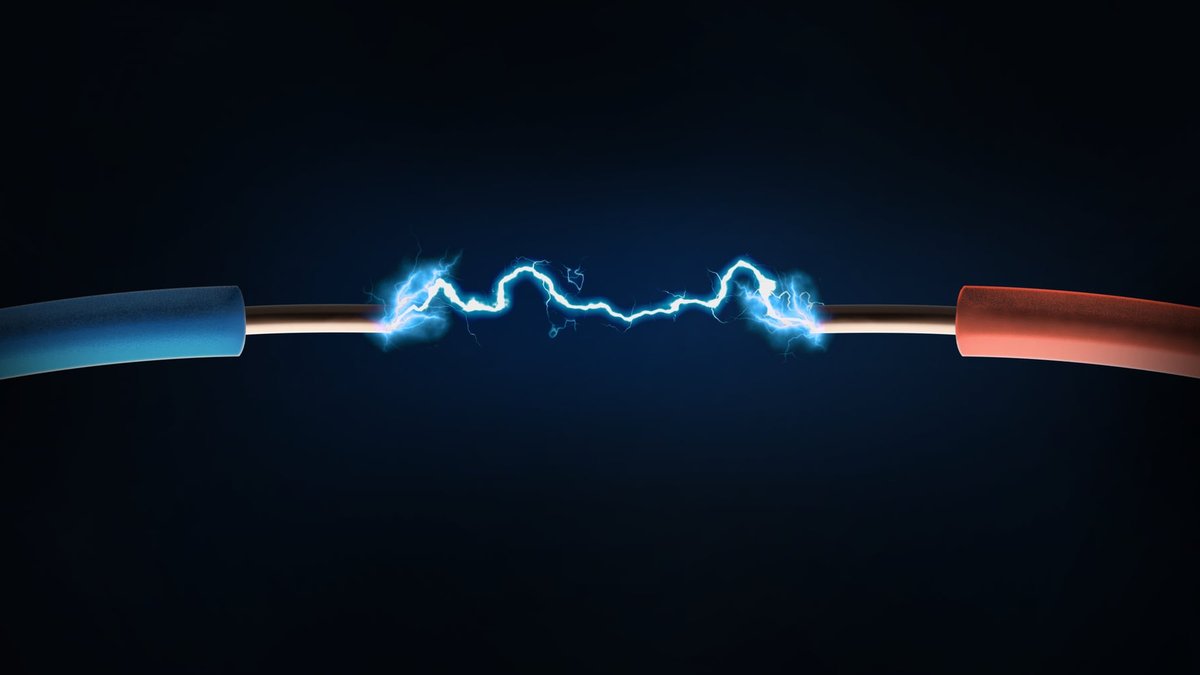
Of all the electrical hazards in an older home, arcing is among the most dangerous — and the least visible. Electrical arcing happens when current jumps across gaps in a circuit instead of flowing cleanly through connected wiring. It's like a miniature lightning bolt inside a wall cavity or behind an outlet cover.
Temperatures generated by arcing can reach up to 35,000°F — hot enough to vaporize metal and instantly ignite surrounding materials like wood framing, insulation, or the plastic jacket on nearby wires. An arc event can last a fraction of a second, but can deposit enough heat to start a smoldering fire inside a wall — one that grows slowly, undetected, for hours before smoke ever reaches a detector.
Common causes of arcing include:
- Old or worn electrical components with corroded or degraded contacts
- Damaged or frayed wiring where conductor surfaces are exposed
- Loose connections at outlets, switches, or inside the panel
- Overloaded circuits generating excess heat at connection points
- Improper installations — including DIY work done without permits or inspections
7 Warning Signs of Arcing in Your Home
Arcing rarely announces itself dramatically. More often, it leaves clues that are easy to dismiss — until something worse happens. Watch for these warning signs:
- Overheating plugs or outlets — a plug or outlet that's warm to the touch after normal use is a red flag.
- Burning or unusual smells — a distinctive odor near outlets, panels, or walls often signals overheating plastic or wiring insulation.
- Discoloration or scorch marks — brown or black marks around an outlet face are signs of past heat events.
- Visible sparks or flashes — occasional small sparks when plugging in a device can indicate deteriorating connections.
- Flickering or dimming lights — particularly when no load changes are happening, this can signal a loose or arcing connection.
- Buzzing or sizzling sounds — any audible electrical noise from outlets, switches, or panels should be taken seriously.
- Frequent circuit breaker trips — a breaker that trips repeatedly is signaling that something is wrong, even if it resets without issue.
Any of these signs warrants a call to a licensed electrician. Multiple signs together mean the situation is urgent.
What a Professional Electrical Inspection Uncovers
Code Compliance and the NEC: Why It Matters for Older Homes
The National Electrical Code (NEC), published and updated every three years by the National Fire Protection Association (NFPA), sets the minimum standards for safe electrical design, installation, and inspection across the country. Local jurisdictions typically adopt the NEC as the baseline for residential electrical code compliance.
Homes built to code in 1965 are not up to today's code. Electrical standards have evolved substantially, driven by decades of fire investigation data and advances in safety technology. Older homes are not automatically grandfathered into safety — they are simply not required to be updated until work is done. When a licensed electrician inspects a home against current NEC standards, the gaps become very clear, very quickly.
AFCIs: The Technology That Can Prevent Half of Electrical Fires
Arc-Fault Circuit Interrupters (AFCIs) are one of the most important electrical safety advances of the past two decades — and one of the most commonly absent features in older homes.
Unlike a standard breaker that only trips under overcurrent conditions, an AFCI continuously monitors a circuit for the specific electrical signature of dangerous arcing. When it detects that signature, it cuts power in milliseconds — before a 35,000°F arc event has a chance to ignite anything. The Consumer Product Safety Commission (CPSC) estimates that widespread AFCI adoption could prevent 50% of home electrical fires.
Current NEC requirements mandate AFCI protection in bedrooms, living rooms, kitchens, and most other areas of new construction and significant remodels. But older homes — the ones that need them most — typically have none. A professional inspection identifies exactly where AFCI breakers or outlets should be installed and whether the existing panel can support them, or an upgrade is needed first.
Don't Wait for Sparks — Schedule an Inspection Now
Professional electricians, like those at Mister Sparky Fort Wayne, say electrical fires don't give much warning. Arcing happens in seconds. Smoldering fires in wall cavities can burn for hours before smoke reaches a detector. The warning signs — dimming lights, warm outlets, a faint burning smell — are easy to write off as minor annoyances until they aren't.
The homes most at risk are the ones where the system has been running quietly for decades without inspection. Knob-and-tube wiring from the 1940s. Aluminum branch circuits from the 1970s. A Federal Pacific panel that has never been tested. None of these show up on a utility bill. None of them trip a breaker. They just wait.
Getting a professional inspection is straightforward, faster than most homeowners expect, and far less expensive than the alternative. A licensed electrician can assess the full scope of a home's electrical system and provide a clear, prioritized path forward. Not every older home needs a complete rewire. But every older home deserves to know exactly where it stands.