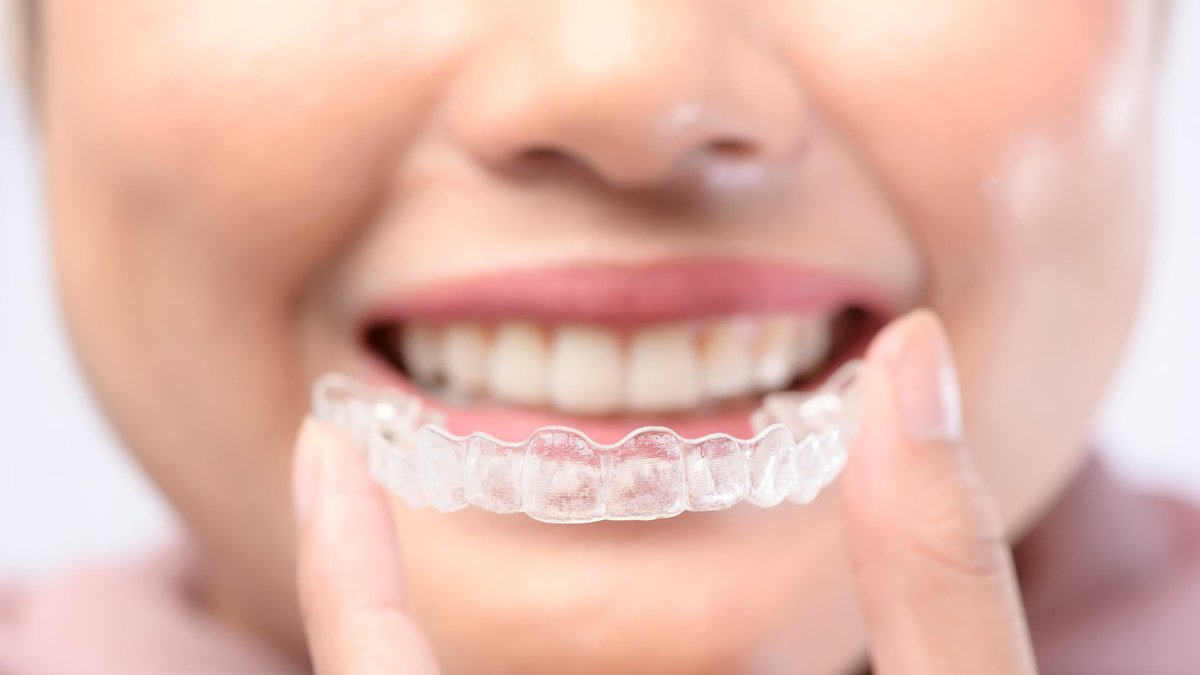
Clear aligners can look simple from the outside: a few transparent trays, a straighter smile, and no metal braces. Then the price estimate arrives, and suddenly the question becomes, “What exactly am I paying for?”
That confusion is common because clear aligner treatment is not priced like a one-size-fits-all product. Patients are not just buying plastic trays. They are paying for a full orthodontic process that includes diagnosis, digital planning, custom aligners, progress checks, possible refinements, and retainers to help keep the final result in place.
According to CareCredit, the national average cost of clear aligners without insurance is $5,108, with reported costs ranging from $1,800 to $8,100 depending on location and treatment factors. That wide range is why a clear aligner cost breakdown can be so helpful for patients comparing treatment options.
Why Clear Aligner Prices Vary
Clear aligners are custom-made orthodontic appliances. They are designed to move teeth gradually, using a series of trays created around each patient’s bite, spacing, crowding, and smile goals.
A mild spacing case may need fewer aligners and a shorter treatment timeline. A more complex case involving crowding, rotated teeth, bite issues, or previous orthodontic relapse may require more trays, more monitoring, and possible refinements. This difference in complexity is one of the biggest reasons clear aligner treatment costs vary.
Location can also affect pricing. Dental fees may differ by market because of local overhead, technology, lab costs, provider experience, and demand.
What Patients Are Paying For
A clear aligner estimate usually includes several stages of care. The first is the consultation and diagnostic process. This may involve an oral exam, photos, digital scans or impressions, and a review of whether clear aligners are appropriate for the patient’s needs.
The next major part is treatment planning. The provider maps out how the teeth should move, how many aligners may be needed, and whether attachments or other support will be used. This planning stage matters because clear aligners only work properly when tooth movement is carefully sequenced.
Then there are the aligners themselves. These trays are worn in stages and changed as treatment progresses. Patients typically need to wear them for most of the day, removing them only for eating, drinking anything other than water, brushing, and flossing.
Follow-up visits are another part of the cost. Even though clear aligners are removable and convenient, treatment still needs professional oversight. These appointments help confirm that the teeth are moving as expected and give the provider a chance to adjust the plan if needed.
Patients should also ask about retainers. Teeth can move after treatment, so retainers are usually needed to help maintain the final result. If retainers are not included in the original estimate, they may become an additional cost later.
Insurance and Monthly Payments
The treatment estimate is not always the same as the amount a patient pays upfront. Dental insurance may reduce out-of-pocket costs if the plan includes orthodontic benefits. Patients can also ask whether health savings accounts, flexible spending accounts, or financing options may apply.
Monthly payment planning can make clear aligner treatment easier to fit into a household budget. It does not always reduce the total cost, but it can spread payments over time. This may be helpful for parents budgeting for teen orthodontic care or adults who have delayed treatment because of upfront cost concerns.
Aesthetic General Dentistry of Frisco, for example, gives clear aligner patients the chance to talk through installment payment options before treatment begins. This helps patients see how the cost may fit into their monthly budget, instead of only focusing on the full treatment price upfront.
Why Clear Aligners Appeal to Patients
Clear aligners are popular because they are designed to fit into daily life with less visibility than metal braces. The trays are nearly invisible, removable for meals, and do not involve brackets or wires. This can make them appealing for adults at work, teens at school, and anyone who wants a more discreet orthodontic option.
The removable design can also make brushing and flossing easier than with fixed braces. Patients still need discipline, since aligners must be worn as directed, but the flexibility is a major benefit.
“Patients should look beyond the monthly number and ask what the full treatment plan includes,” a Frisco dental professional explains. “A good estimate should make the clinical steps, payment structure, and follow-up care easy to understand.”
Clear aligners are not just a cosmetic purchase; they are a guided treatment plan built around the way a person’s teeth need to move. For patients, understanding the full cost breakdown can turn a confusing estimate into a practical decision. The smartest starting point is a consultation that explains the price, timeline, inclusions, and payment options clearly before treatment begins.