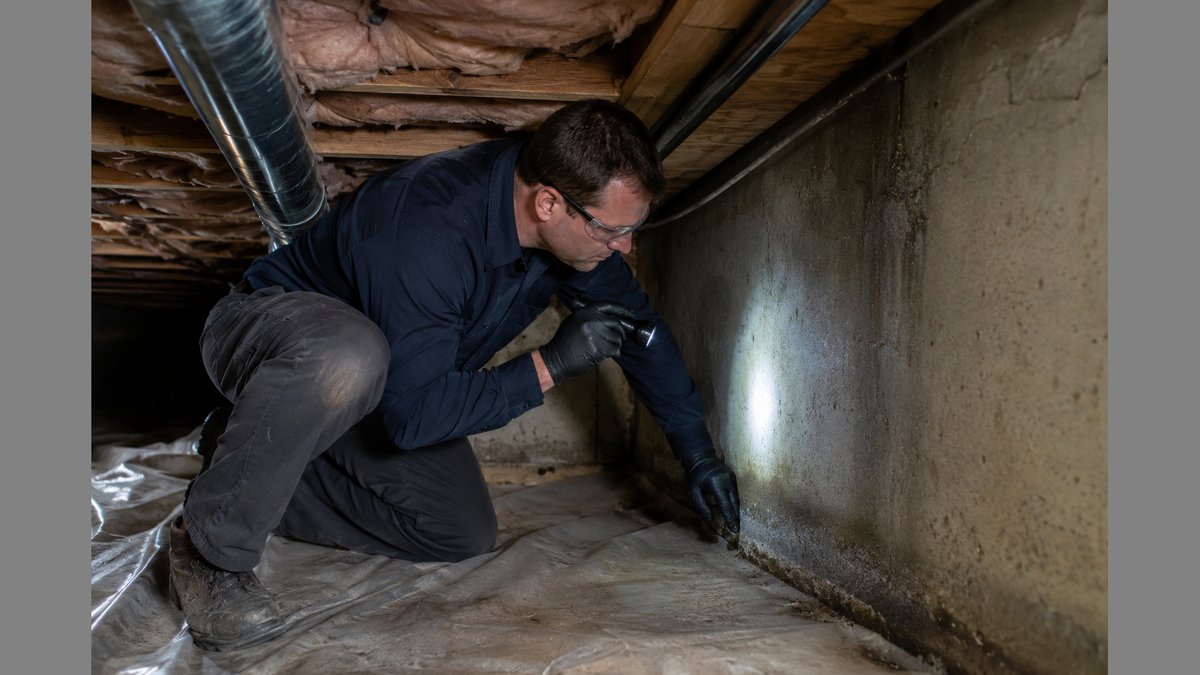
Key Takeaways
- Hydrostatic pressure from Maryland's clay-rich soil creates the primary force pushing water through foundation cracks and construction joints into basements
- Foundation vulnerabilities including wall-floor joint gaps, structural cracks, and failed footing drains provide direct entry points for water infiltration
- Exterior drainage problems like clogged gutters and poor yard grading direct rainwater toward your foundation, dramatically increasing leak risk
- Warning signs such as white efflorescence streaks, musty odors, and visible water damage indicate your basement needs professional waterproofing intervention
- Interior drainage systems offer the most reliable long-term solution for managing water intrusion and protecting your Montgomery County home
Basement leaks plague thousands of Montgomery County homeowners every year, turning lower levels into unusable spaces and threatening structural integrity. Understanding the root causes behind these water intrusion problems empowers homeowners to identify warning signs early and take decisive action before minor seepage becomes major flooding.
Key Factors Contributing to Montgomery County Basement Leaks
Montgomery County's unique geographical and geological characteristics create the perfect storm for basement water problems. The region's clay-heavy soil composition, combined with intense seasonal rainfall and aging infrastructure, establishes conditions where water naturally seeks the path of least resistance—straight into basement spaces.
Most basement leaks result from a combination of factors rather than a single cause. Basement Waterproofing Montgomery County identifies three primary categories: hydrostatic pressure buildup, foundation structural vulnerabilities, and exterior drainage failures. Each factor compounds the others, creating cascading water intrusion problems that worsen over time without professional intervention.
The interconnected nature of these causes means addressing only one factor rarely provides lasting relief. Successful basement waterproofing requires understanding how pressure, structural integrity, and drainage work together to either protect or compromise your foundation's water resistance.
Hydrostatic Pressure: The Hidden Force Flooding Basements
Hydrostatic pressure represents the invisible enemy behind most basement flooding incidents. This force occurs when water saturates soil around your foundation, creating tremendous pressure that pushes moisture through even microscopic openings in concrete and masonry. The pressure increases exponentially during heavy rainfall, overwhelming your foundation's natural water resistance.
How Maryland's Clay Soil Amplifies Water Pressure
Maryland's clay-rich soil composition significantly amplifies hydrostatic pressure problems compared to sandy or loamy soils found in other regions. Clay particles pack tightly together, creating an almost impermeable barrier that prevents water from draining naturally through the ground. Instead of absorbing and dispersing rainfall, clay soil becomes saturated quickly and holds water against foundation walls for extended periods.
During Montgomery County's intense summer thunderstorms and spring rainfall, clay soil can hold significantly more water than sandy soil, creating sustained pressure against basement walls. This prolonged exposure weakens waterproofing membranes and forces water through construction joints, cracks, and porous concrete over time.
The 'Bowl Effect' from Foundation Backfilling
The "bowl effect" occurs in newer homes where loose backfilled soil around the foundation creates a collection area for rainwater. During construction, excavated soil gets replaced around the foundation in loose layers that haven't had time to compact naturally. This loose, permeable backfill absorbs significantly more water than surrounding undisturbed soil.
Heavy rainfall fills this loose soil "bowl" around your foundation, creating a reservoir of water that maintains constant pressure against basement walls. Even homes built within the last decade experience severe hydrostatic pressure problems due to this bowl effect, particularly during Maryland's intense seasonal storms.
Foundation Vulnerabilities That Invite Water Intrusion
Foundation structural vulnerabilities provide the entry points that hydrostatic pressure exploits to flood basements. These vulnerabilities develop naturally over time or exist by design in certain construction methods. Understanding these weak points helps homeowners recognize where water infiltration most commonly occurs.
Wall-Floor Joint Gaps Under Pressure
The wall-floor joint represents an intentional gap between basement walls and floors designed to allow for natural settling and thermal expansion. This small gap, typically less than an inch wide, becomes a major water entry point when hydrostatic pressure builds around the foundation perimeter.
Under normal conditions, this joint remains relatively dry. However, when soil saturation creates sustained pressure against the foundation, water finds this gap and seeps directly onto basement floors. The higher the hydrostatic pressure, the more forcefully water pushes through this vulnerable junction.
Foundation Cracks: Direct Water Highways
Foundation cracks serve as direct highways for water infiltration, allowing moisture to bypass surface waterproofing entirely. Horizontal and step-shaped cracks indicate the most serious structural concerns, often signaling foundation settling or soil pressure problems that require immediate attention.
Even hairline vertical cracks can channel significant water volumes during heavy rainfall. Clay soil's expansion and contraction cycles gradually widen these cracks over time, transforming minor seepage points into major water entry routes. Foundation cracks rarely heal themselves and typically worsen without professional sealing and stabilization.
Failed Footing Drains Around Your Foundation
Footing drains installed during construction provide the first line of defense against water accumulation around foundations. These perforated pipes, buried at the foundation's base, collect groundwater and direct it away from the structure. However, footing drains can fail over time due to issues like sediment buildup, root intrusion, and pipe damage from soil pressure.
When footing drains become disabled, they force water to find alternative paths into basements through small openings, construction joints, and foundation cracks that normally remain dry when drainage systems function properly.
Exterior Drainage Problems Directing Water to Your Foundation
Exterior drainage problems create the water accumulation that generates hydrostatic pressure in the first place. Poor surface water management directs rainfall toward foundations instead of away from structures, overwhelming natural drainage and creating sustained moisture exposure.
Clogged Gutters and Inadequate Downspouts
Clogged gutters and inadequate downspout systems represent the most common exterior drainage problems in Montgomery County. Blocked gutters overflow during heavy rainfall, dumping thousands of gallons of water directly against foundation walls instead of channeling it safely away from the structure.
Short downspouts that discharge within 3 feet of the foundation create concentrated water pools that saturate soil immediately adjacent to basement walls. During intense storms, these discharge points can deliver large volumes of water directly to the foundation perimeter, creating localized flooding conditions that overwhelm even properly functioning waterproofing systems.
Poor Yard Grading Around Your Home
Improper yard grading directs surface water toward foundations instead of away from structures. Ideally, soil should slope away from homes at a minimum 6-inch drop over 10 feet to ensure rainfall flows away from foundation walls rather than pooling against them.
Reverse grading, where soil slopes toward the foundation, creates a funnel effect that concentrates rainwater against basement walls. Flat grading provides no directional flow, allowing water to pool randomly and potentially saturate soil around the entire foundation perimeter during extended rainfall events.
Warning Signs Your Basement Needs Professional Waterproofing
Recognizing early warning signs of basement water problems enables homeowners to address issues before minor seepage becomes major flooding. These indicators reveal ongoing moisture infiltration that will worsen without professional intervention.
1. Efflorescence: White Streaks Revealing Water Infiltration
Efflorescence appears as white, chalky streaks or powdery deposits on basement walls and floors. These mineral deposits form when water infiltrates masonry, dissolves salts within the concrete or mortar, then evaporates and leaves behind crystallized mineral residue.
The presence of efflorescence confirms active water infiltration through foundation walls, even when visible water isn't apparent. The white streaks map the exact pathways water uses to enter basements, providing valuable diagnostic information for waterproofing professionals. Efflorescence typically appears heaviest near foundation cracks, construction joints, and wall-floor junctions where water infiltration concentrates.
2. Musty Odors and Mold Growth Indicators
Musty odors in basements indicate elevated humidity levels and potential mold growth from ongoing moisture problems. These odors develop when organic materials like wood framing, drywall, or stored items absorb excess moisture and begin decomposing or supporting mold colonies.
Visible mold growth on basement walls, floors, or stored items confirms that moisture levels exceed safe thresholds for extended periods. Mold requires sustained moisture to establish colonies, meaning its presence indicates chronic water infiltration rather than isolated incidents. The musty smell often appears before visible mold growth, serving as an early warning system for developing moisture problems.
3. Visible Water Damage Beyond Standing Puddles
Water damage extends far beyond obvious standing water or puddles on basement floors. Peeling paint, water stains on walls, warped flooring, and rust stains on metal fixtures all indicate ongoing moisture exposure that threatens structural integrity and indoor air quality.
Damp or "sweating" walls during humid weather suggest that moisture regularly infiltrates through foundation materials and condenses on interior surfaces. High humidity levels in basements create conditions for wood rot, metal corrosion, and mold growth even without visible water accumulation.
Professional Interior Drainage Systems Provide Long-Term Solutions
Interior drainage systems offer the most reliable long-term solution for managing basement water problems in Montgomery County's challenging soil conditions. These systems work with natural water flow rather than fighting against hydrostatic pressure, collecting infiltrated water and directing it safely away from living spaces.
Professional interior drainage typically includes French drain installation around the basement perimeter, high-capacity sump pump systems, and vapor barriers to manage humidity. This approach addresses water that enters basements while maintaining structural integrity and creating healthy indoor environments. Interior systems prove especially effective in clay soil conditions where exterior drainage faces ongoing challenges from soil expansion and settling.
Unlike temporary fixes that address individual symptoms, interior drainage systems manage the root cause of basement water problems by controlling moisture after it enters the foundation envelope. These systems provide reliable long-term protection against Montgomery County's intense seasonal rainfall and challenging soil conditions with minimal maintenance requirements.
For expert basement waterproofing solutions tailored to Montgomery County's unique challenges, contact Basement Waterproofing Montgomery County for moisture control systems that protect your home investment.