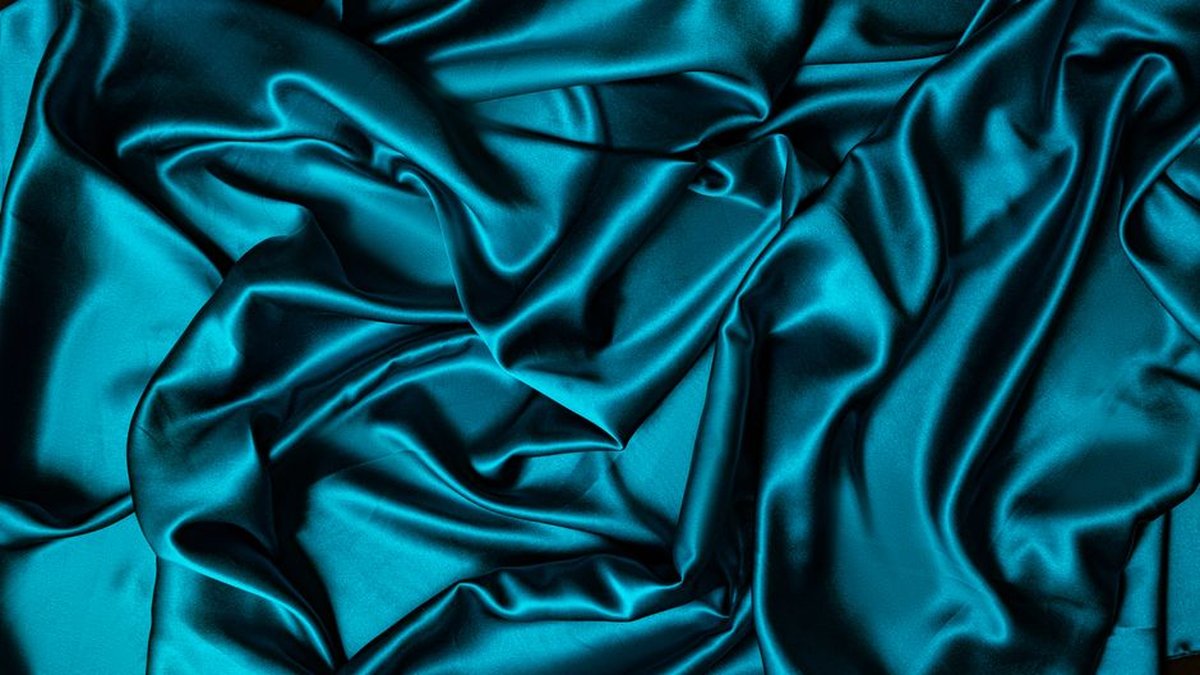
Mayfairsilk has released a new guide on common silk weaves available in the industry, covering how the weaves are made, how they differ in appearance and texture, and the most suitable use for each pattern.
For more information, please visit https://mayfairsilk.com/blogs/general/silk-weave-explained-common-patterns-why-it-matters
A weave is the pattern with which yarns are woven together to create a piece of cloth. How the threads overlap, the gap between the yarns, the orientation of the threads, and the amount of material used affect the appearance, drape, texture, and durability of the fabric. Consequently, Mayfairsilk says that it’s important for prospective buyers interested in silk products to understand the properties of each weave to ensure they are purchasing the appropriate option for their intended use.
Per Mayfairsilk’s guide, there are five weaves readily available to consumers. The most common and basic weave is the plain weave, also known as the tabby weave. This weave is uniform on both sides and holds its structure well, making it suitable for lightweight pieces like scarves or painted silks.
The twill weave is similar to the tabby weave, but rather than perpendicular lines, silk threads are woven diagonally, giving the fabric more texture, drape, and resistance to wrinkles. Mayfairsilk’s guide says that this pattern is frequently found in jackets and ties, and it is often used for herringbone and chevron patterns as well.
The satin weave is the most well-known silk weave and is characterised by its signature shine. As Mayfairsilk explains, the silk threads are woven with minimal interlacing, resulting in a smooth and glossy front side and a matte underside. This weave is commonly found in formal wear, lingerie, and bedding due to its luxurious appearance and soft feel; however, Mayfairsilk notes that satin-woven fabrics tend to snag easily, and their shiny surfaces may highlight damage or stains.
For patterned fabrics, Mayfairsilk’s guide says that jacquard and dobby weaves are often used. These feature ornate, geometric designs that require specialised techniques and equipment to create. Because these types of fabrics tend to be heavier, they are better suited as decorative textiles than they are as clothing.
More information is available at https://mayfairsilk.com/