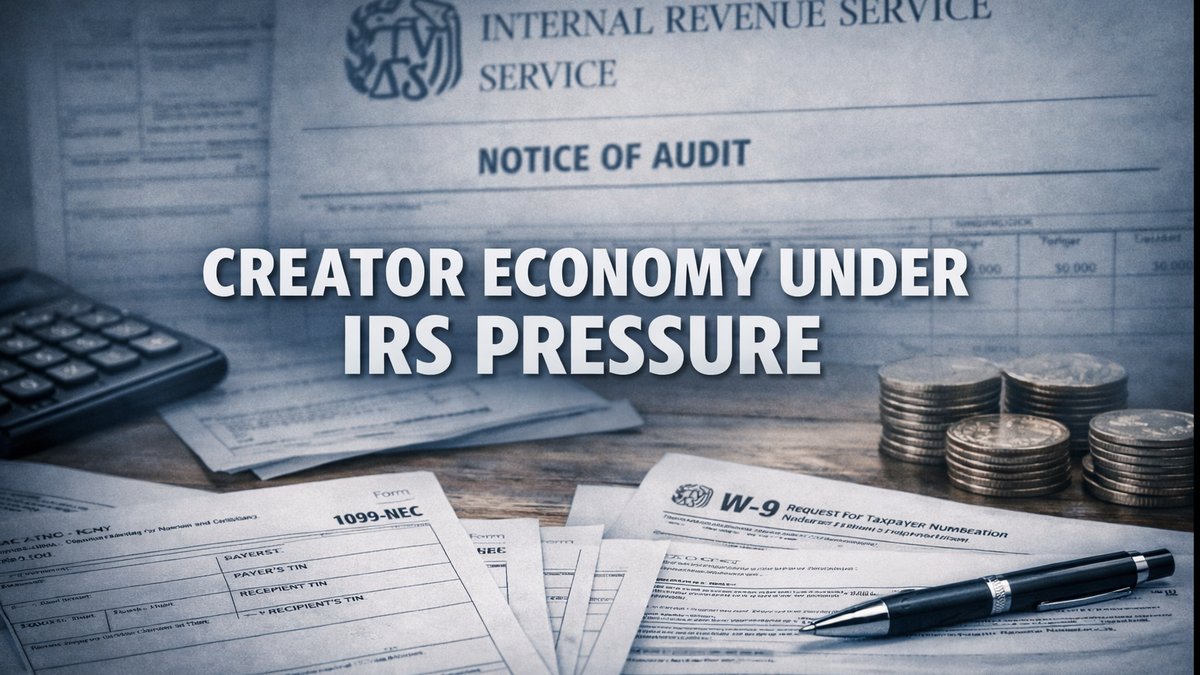
The IRS has intensified its enforcement efforts across the digital economy, and AdSense‑earning creators are now among the most frequently flagged groups. What was once considered “side income” is now treated as fully taxable business revenue — and the IRS is using automated data‑matching systems to identify discrepancies faster than ever.
For creators who rely on AdSense, brand deals, affiliate payouts, or platform‑based monetization, this shift has created a wave of unexpected IRS notices, levies, and account holds. Many creators are discovering that even small reporting gaps can trigger a CP2000 notice, a balance‑due letter, or a levy on incoming AdSense payments.
This article breaks down why AdSense revenue is being levied, how creators are getting flagged, and what steps you can take right now to protect your income and resolve IRS issues before they escalate.
Why the IRS Is Targeting AdSense Revenue
1. Automated Data Matching Is Catching Underreported Income
Google submits 1099‑K or 1099‑NEC forms directly to the IRS.
If the income you report on your tax return doesn’t match what Google reports, the IRS system automatically flags the discrepancy.
This mismatch is the #1 trigger for CP2000 notices among creators.
2. The IRS Views Creator Income as Business Revenue
Even if you consider your channel or blog a hobby, the IRS does not.
AdSense income is treated as self‑employment income, which means:
- Income tax
- Self‑employment tax
- Quarterly estimated taxes
- Business expense documentation
If any of these are missing or incomplete, the IRS may assess additional tax or penalties.
3. Increased Enforcement on Digital Platforms
The IRS has publicly stated that digital‑platform income is a priority enforcement area.
This includes:
- YouTube AdSense
- Google Ad Manager
- Blogger monetization
- Website display ads
- Affiliate and sponsorship income
Creators who previously flew under the radar are now receiving notices for tax years as far back as 2021.
Why Levies Happen on AdSense Payments
A levy is one of the IRS’s strongest collection tools.
It allows the agency to seize incoming revenue — including AdSense payouts — when:
- A tax balance is unpaid
- A CP2000 or audit adjustment goes unresolved
- The creator ignores or misses IRS letters
- The IRS cannot confirm a payment plan or financial disclosure
Once a levy is issued, Google must comply.
Creators often discover the levy only after a missing or reduced payout.
How Creators Get Flagged Without Realizing It
1. Missing 1099 Forms
If you moved, changed emails, or didn’t receive a 1099, the IRS still did.
2. Reporting Only Net Deposits
Many creators report only what hit their bank account — not the full gross amount Google reported.
3. Not Filing as a Business
If you filed as a hobby or used the wrong tax form, the IRS system may auto‑correct your return and assess additional tax.
4. Ignoring IRS Letters
Creators often miss IRS mail because:
- They travel
- They move frequently
- They use a PO box
- They assume it’s junk mail
By the time a levy hits, the IRS has already sent multiple notices.
What You Should Do If You Received an IRS Notice
If you received a CP2000, balance‑due letter, or levy notice tied to AdSense income, the worst thing you can do is ignore it.
The IRS assumes silence means non‑compliance — and enforcement escalates quickly.
Here’s what creators should do immediately:
1. Verify the Income the IRS Claims
Compare the IRS numbers with your AdSense dashboard and 1099 forms.
2. Identify Reporting Gaps
Many creators underreport by accident due to:
- Missing 1099s
- Incorrect bookkeeping
- Not tracking business expenses
- Reporting only net deposits
3. Stop the Levy Before the Next Payout
Levies continue until the IRS receives:
- A response
- A payment plan
- A financial disclosure
- A correction to the notice
4. Get Professional Help
IRS notices are time‑sensitive.
Creators who respond incorrectly often make the situation worse.
For Creators With IRS Notices
If you received a CP2000, levy, or audit letter tied to AdSense income, visitLienFreeNow.comto get immediate help stopping enforcement and correcting your tax records.
How LienFreeNow.com Helps Content Creators
Creators are a unique tax category — and most traditional tax preparers don’t understand platform‑based income.
LienFreeNow.com specializes in:
- IRS notice response
- Levy removal
- CP2000 corrections
- Audit defense
- Income reconciliation for AdSense and other platforms
- Setting up compliant creator‑business structures
The goal is simple:
Stop IRS enforcement, fix the reporting issue, and protect future payouts.
Protect Your AdSense Income
Before the IRS escalates your case, schedule a confidential review atLienFreeNow.com.
Creators who act early avoid levies, penalties, and long‑term damage to their accounts.
How to Prevent Future IRS Problems
1. Track Gross Income, Not Just Deposits
Google reports the full amount — even if fees or adjustments reduce your payout.
2. Keep Business‑Level Records
Treat your channel or website like a business:
- Expenses
- Equipment
- Subscriptions
- Home office
- Mileage
- Production costs
3. File Quarterly Estimated Taxes
This is the #1 way creators avoid IRS debt.
4. Use a Professional Who Understands Creator Income
The digital economy has unique tax rules — and the IRS is watching it closely.
Resolve Your IRS Issue Today
If your AdSense revenue is being levied or you received an IRS notice, go toLienFreeNow.comnow to protect your income and get expert help.
Final Word
The IRS is no longer overlooking digital‑platform income.
AdSense creators are being flagged at record levels due to automated data matching, stricter enforcement, and increased scrutiny of online revenue streams.
If you’ve received an IRS notice — or worse, a levy — you’re not alone, and you’re not out of options.
With the right guidance, creators can stop enforcement, correct their filings, and regain control of their income.
Start with a professional review atLienFreeNow.comand take back your financial stability.