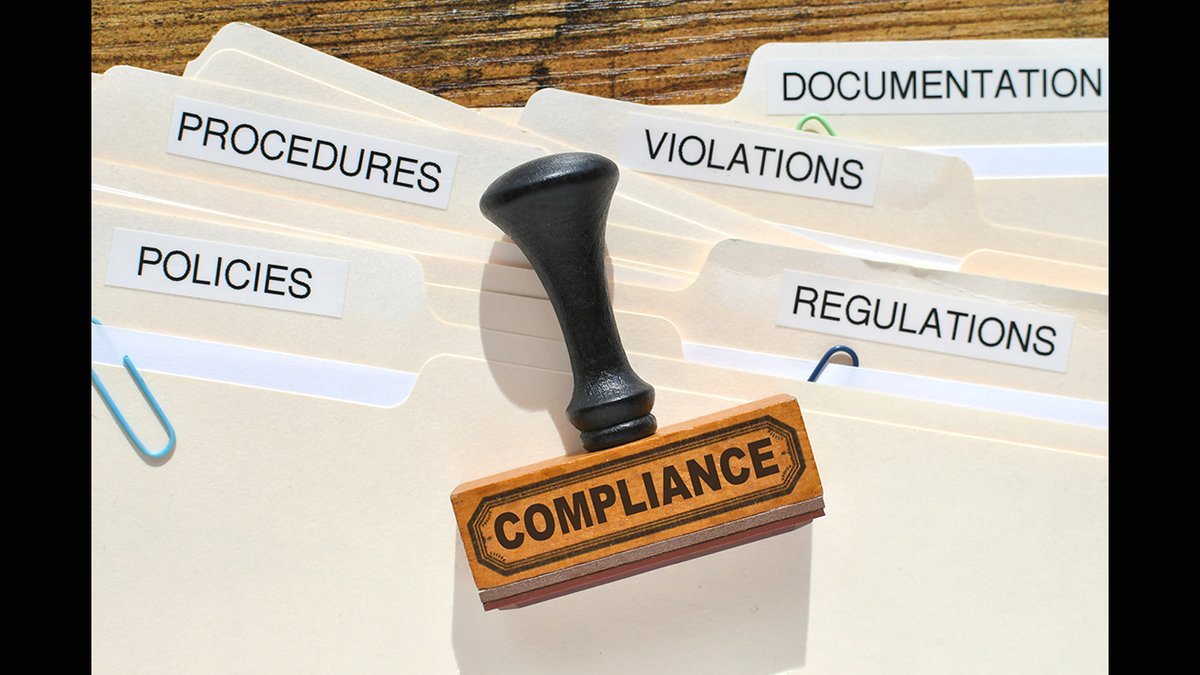
Businesses operating in the United States and Canada are facing increased pressure to maintain strong corporate governance and compliance practices as they grow, raise capital, enter contracts, and expand across borders.
Corporate governance is often viewed as a formal legal concept, but for companies, it is a practical system for managing authority, accountability, and decision-making. It determines who can approve major actions, how those decisions are documented, and whether the company is meeting its legal obligations in the jurisdictions where it is formed or operates.
For cross-border companies, these responsibilities can become more complex. A business may need to comply with corporate laws in the country where it was incorporated, the province or state where it operates, and the jurisdiction where its directors, shareholders, investors, or subsidiaries are located.
One of the first governance considerations is corporate structure. A corporation, limited liability company, partnership, parent company, or subsidiary can each carry different obligations. For businesses with operations on both sides of the border, structure can affect which entity owns assets, signs contracts, hires employees, raises capital, and reports to investors.
Clear roles for directors, officers, shareholders, and members are also central to governance. Directors typically oversee major decisions and the company’s broader direction, while officers manage daily operations. Shareholders or members hold ownership interests and may have voting or approval rights under the company’s governing documents.
Even in smaller companies where one person may serve as shareholder, director, and officer, proper approvals and records remain important. Decisions involving share issuances, major contracts, debt, officer appointments, subsidiaries, or asset sales should be documented to reduce the risk of future disputes.
Corporate records also play a key role in compliance. Formation documents, bylaws, operating agreements, shareholder agreements, resolutions, meeting minutes, ownership ledgers, annual filings, tax registrations, licences, permits, and major contracts can all become important during financing, mergers, acquisitions, audits, or litigation.
Missed filings are another common source of compliance risk. Companies may need to file annual returns, update director or officer information, maintain a registered office or registered agent, renew business names, pay franchise taxes, or update ownership information. A missed deadline may appear minor at first, but it can affect good standing and delay financing or transactions.
Governance becomes especially important when ownership changes. Issuing shares, admitting new members, creating option plans, or bringing in investors can affect control, transfer rights, exit rights, and future financing. Private companies may also need to consider securities rules, exemptions, disclosure requirements, and investor eligibility before issuing equity or debt.
Cross-border operations add another layer of coordination. Businesses may need to determine which entity signs contracts, owns intellectual property, hires employees, receives revenue, approves major decisions, and carries investor rights. Without clear coordination, companies may face inconsistent records, unclear authority, or compliance gaps between jurisdictions.
Legal and business advisors often recommend that companies treat governance as an ongoing responsibility rather than a one-time formation task. Regular reviews can help confirm that records are current, filings are complete, shareholder agreements remain accurate, and the correct entity is approving key decisions.
Strong governance can also support growth. Clean records, current filings, clear authority, and well-managed investor rights can make it easier for a company to raise capital, enter contracts, expand into new markets, and prepare for a sale or succession.
For companies seeking support with corporate structure, compliance, contracts, and cross-border business matters, resources such as Pace Law Firm’s Corporate and Commercial guidance can provide a practical starting point for understanding key legal considerations.
As businesses continue to operate across increasingly connected markets, corporate governance and compliance remain central to long-term stability. Companies that build these practices into daily operations may be better positioned to manage risk, support growth, and maintain trust with investors, partners, and regulators.