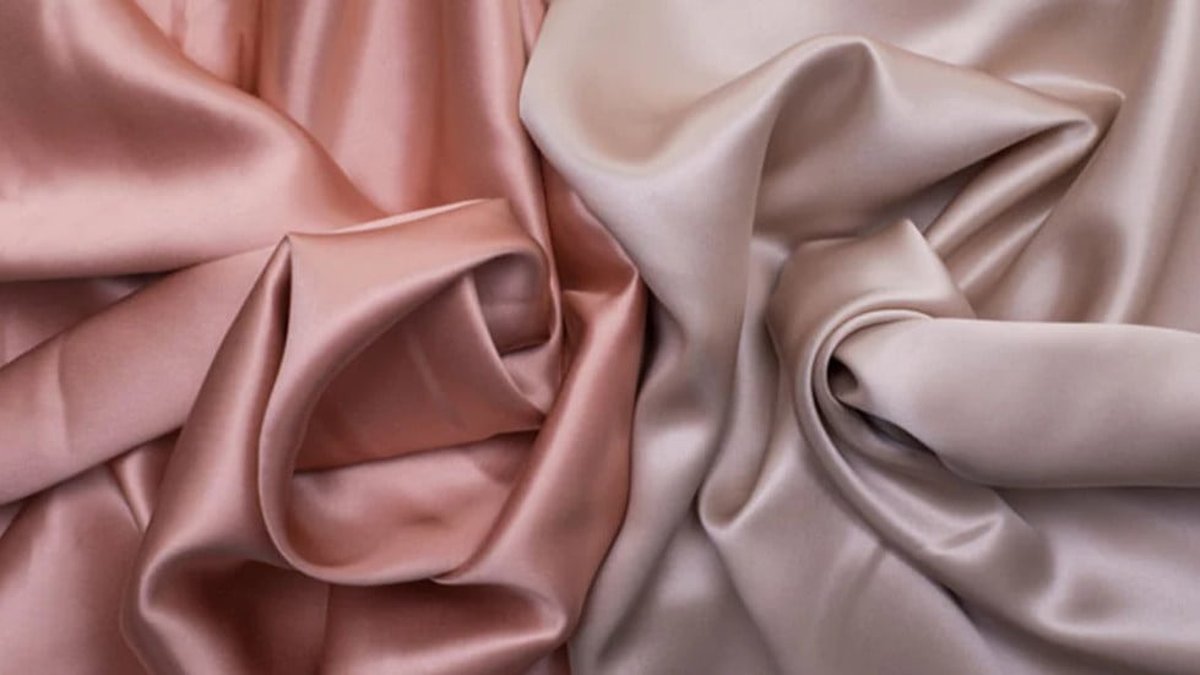
Mayfairsilk has released a guide comparing silk, rayon, and satin, fabrics that are often found in the luxury textile industry. Buyers trying to distinguish between these options can refer to the resource to learn about the differences between the fabrics, typical price ranges, and the benefits and drawbacks of each product.
For more information, please visit https://mayfairsilk.com/blogs/general/silk-vs-rayon-vs-satin-differences-prices-pros-cons
Per Mayfairsilk’s guide, silk, especially pure mulberry silk, is widely considered the most premium of fabric options. This natural fibre is known for its lustre, smooth texture, fluid drape, and breathability, the latter of which aids with temperature regulation. These properties contribute to comfort and aesthetics, making silk a popular choice for bedding, clothing, and fashion accessories. However, while silk is long-lasting, Mayfairsilk says that it is a rather delicate textile that is prone to stains and wrinkling; it is also one of the most expensive fabrics on the market due to its labour-intensive production process.
By contrast, rayon is a more cost-effective option with similarly natural origins. According to Mayfairsilk’s guide, rayon is derived from wood pulp, bamboo, cotton waste, and other sources of cellulose that are processed into workable fibres. The consistency of the finished product is often likened to silk, as it shares a similar breathability and texture; it is also easier to clean, making it a viable alternative for individuals who are looking for a cooling, soft fabric with fewer care requirements. However, Mayfairsilk notes that the production process of rayon often involves harsh chemicals, so buyers must ensure they are purchasing a product that has been OEKO-TEX-certified.
Unlike silk and rayon, satin is not a distinct fibre but a type of weaving technique that is used for many fibres. The fabric is characterised by a smooth, lustrous front and a duller matte underside, so it is suitable for formal wear. Mayfairsilk’s guide says that natural satins, like silk satin and rayon satin, retain the advantages and disadvantages of their base material, while synthetic satin is not as eco-friendly, nor may it be as comfortable; however, the latter is the most affordable option and may be preferred by buyers who are looking for cheaper fabrics for structured garments or home textiles.
More information is available at https://mayfairsilk.com/