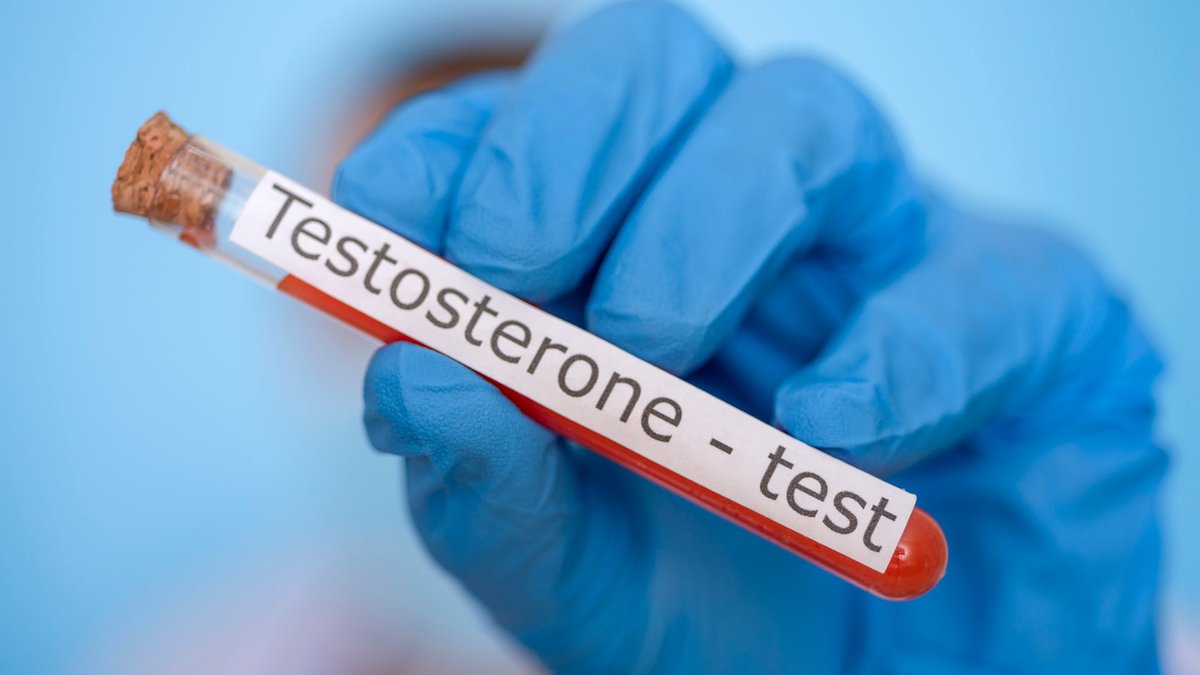
Key Takeaways
- Yes - testosterone will show up on an ADF drug test, and unauthorised use is treated as a serious breach of discipline that typically results in discharge.
- Medically prescribed TRT can be permitted in the ADF, but only when diagnosed by a qualified specialist, documented thoroughly, and kept within normal physiological testosterone ranges.
- Once enlisted, all TRT must be prescribed and managed exclusively by an ADF health practitioner or an ADF-contracted provider - civilian prescriptions do not carry over.
- Dosage is the deciding factor: therapeutic levels are acceptable; supraphysiological levels are not, regardless of how the testosterone was obtained.
- The difference between an approved TRT exemption and a positive drug test often comes down to the quality of your medical documentation - keep reading to understand exactly what's required.
For Australian men currently serving in, or considering joining, the Australian Defence Force (ADF), testosterone replacement therapy sits in a complicated grey zone. It's not automatically disqualifying - but it's also not straightforward. The rules are strict, the consequences are serious, and the details matter enormously.
Yes, TRT Can Trigger a Positive ADF Drug Test
Testosterone replacement therapy introduces exogenous (externally sourced) testosterone into the body. ADF drug testing is designed to detect exactly that. Whether the testosterone was prescribed by a GP or obtained without a prescription makes no difference to what the test detects - the result will flag positive either way.
What separates a medical exemption from a discharge notice is the paperwork and authorisation behind the result. The ADF's drug testing programme examines testosterone-to-epitestosterone ratios and checks for synthetic testosterone markers, then cross-references those results against a member's official medical records. Without documented, ADF-authorised treatment on file, a positive test has one likely outcome: immediate administrative action.
How the ADF Classifies Testosterone
Prohibited Substance vs. Medical Treatment
Under the Defence Determination (Prohibited Substances) 2019, testosterone is classified as a prohibited substance when used without proper medical authorisation. The determination references both the World Anti-Doping Agency (WADA) prohibited list and the Poisons Standard 2019, and explicitly includes anabolic agents - synthetic testosterone among them.
That said, the ADF draws a clear line between illicit use and legitimate treatment. Medically prescribed TRT for a diagnosed condition like primary hypogonadism or a pituitary disorder is treated differently from recreational use aimed at building muscle or improving performance. The distinction hinges on diagnosis, dosage, and who authorised the prescription.
Where WADA's Rules Fit In
The ADF has integrated elements of the World Anti-Doping Code into its approach to performance-enhancing substances. WADA classifies testosterone as an Anabolic Androgenic Steroid (AAS) under category S1.1 - prohibited at all times, both in and out of competition. The ADF applies a similar framework, using WADA's prohibited substance lists as one basis for its own determinations. The standard being applied is not a lenient one.
The ADF's Zero-Tolerance Policy
The ADF has long maintained a zero-tolerance stance on prohibited substance use - a policy that has been in place for decades. Unauthorised use is treated as a serious breach of military discipline, not a health or welfare issue to be managed with a second chance. Recruits sign an acknowledgement of these requirements before enlistment, and mandatory annual training reinforces the message throughout a member's career.
What a Positive Test Actually Means
A positive drug test for a prohibited substance will, in most cases, result in immediate discharge. The ADF's approach is more stringent than most civilian workplaces. Unlike some professional environments that offer rehabilitation pathways, the military treats substance violations as a fundamental breach of the trust required for service. The consequences are real and swift.
When Prescribed TRT Is Permitted
The exception exists, but it's narrow. TRT may be permitted when:
- There is a formally diagnosed medical condition requiring testosterone therapy
- The prescription is issued or formally approved by an ADF health practitioner or ADF-contracted provider
- Dosages are calibrated to maintain testosterone within normal physiological ranges
- Regular blood tests confirm compliance, and results are documented in official medical records
Each case is reviewed individually by Defence Health Services. There is no blanket approval - the medical necessity, stability of treatment, and impact on operational readiness are all assessed before a determination is made.
Joining the ADF While on TRT
Candidates currently on TRT are not automatically excluded from enlisting, but they face additional scrutiny. The application process triggers a detailed medical review, and the burden of proof sits with the applicant.
Medical Documentation You Must Provide
The documentation required goes well beyond a single prescription. At minimum, candidates should prepare:
- A formal diagnosis from an endocrinologist or relevant specialist confirming the medical necessity for TRT
- Multiple blood test results showing consistently low testosterone before treatment - not a single borderline reading
- A detailed treatment history covering duration, dosages, administration methods, and any adjustments
- Recent blood work confirming current testosterone levels sit within normal physiological ranges
- Supporting materials such as records of failed alternative treatments, specialist letters, imaging or surgical reports where relevant
The stronger and more thorough the documentation, the better the outcome during ADF medical assessment. Gaps in the record are risks.
Who Must Prescribe Your TRT
During the application phase, a civilian specialist prescription is acceptable as part of the documentation. Once a candidate enlists, that arrangement ends. All medication management must transfer to ADF healthcare providers - this is non-negotiable under ADF policy.
The ADF medical team will conduct their own independent assessment to verify whether TRT is still necessary and whether the current treatment protocol is compatible with military service. Military doctors may apply more conservative criteria than civilian practitioners, and treatment regimens may be adjusted or, in some cases, deemed incompatible with specific operational roles.
Dosage Is the Deciding Factor
Physiological Levels vs. Supraphysiological Use
Normal physiological serum testosterone in young men is generally estimated to range from approximately 10.4 to 34.7 nmol/L (300 to 1,000 ng/dL), though reference ranges can vary slightly across clinical guidelines. ADF-approved TRT must keep levels within this window. Doses that push testosterone above these ranges - supraphysiological levels - signal performance enhancement rather than therapeutic intent, and that distinction alone can determine whether treatment is approved or treated as a prohibited substance violation.
Frequency of administration also matters. The ADF favours stable delivery methods that minimise hormonal peaks and troughs. For injectable testosterone, more frequent smaller doses are generally viewed more favourably than large, infrequent injections that cause pronounced hormonal swings. Candidates should expect ADF medical staff to review their current dosing protocol and recommend adjustments where needed.
TRT Won't Change Your Physical Test Standards
Approved TRT does not come with modified fitness benchmarks. Every ADF member and candidate - regardless of hormone status - must meet the same physical standards for their age, gender, and role. The ADF's position is that properly managed TRT simply restores normal hormone function; it doesn't create a basis for special accommodation during fitness assessments. Candidates should plan to meet standard push-up, sit-up, and timed run requirements without exception.
Medically Documented TRT Is Your Strongest Protection
The through-line across every element of ADF policy on TRT is documentation. A legitimate clinical diagnosis, a thorough treatment history, current blood work showing physiological testosterone levels, and an ADF-authorised prescription form the foundation of any approved exemption. Without these, a positive drug test is simply a positive drug test - the medical intent behind it carries no weight if it isn't on record.
For men managing genuine testosterone deficiency who are considering military service, the path forward is not to hide the treatment or stop it abruptly - it's to build a clear, defensible medical record from the outset. That means working with doctors who document thoroughly, dose conservatively, and understand the standard that will eventually be applied by ADF Health Services.