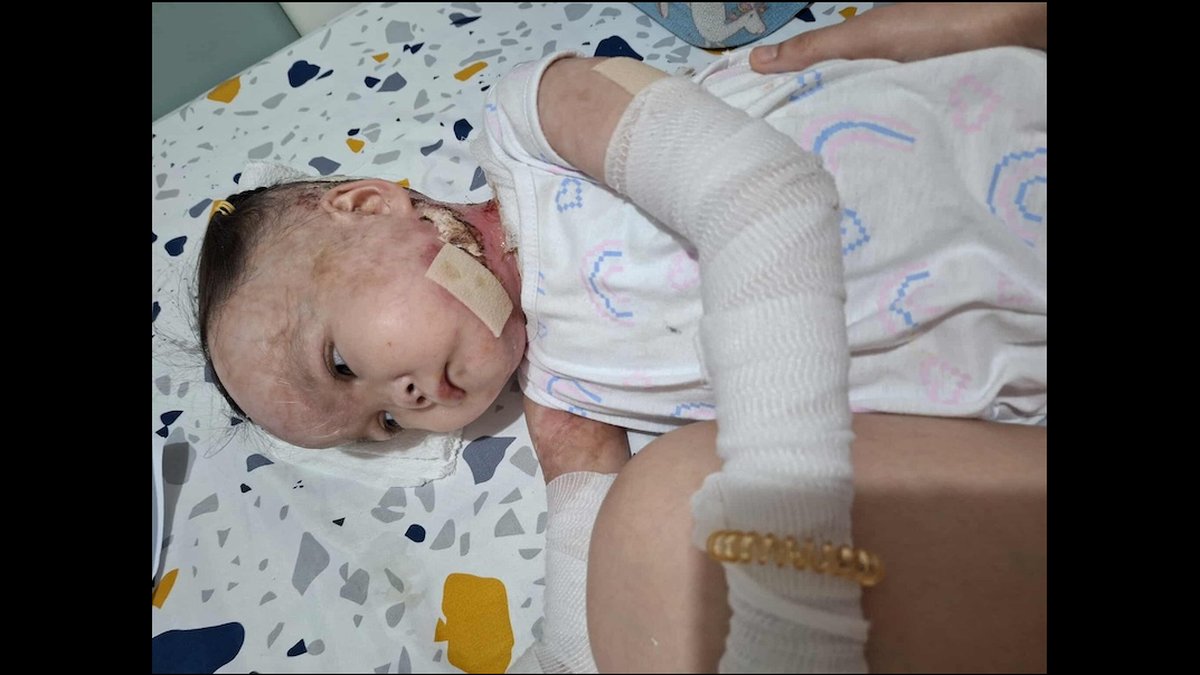
No Baby Blisters has published a guide on the early symptoms of epidermolysis bullosa, a rare and life-threatening genetic disease that can result in 80% skin loss in the most severely impacted babies. The release of the guide coincides with the organization’s most recent awareness campaign, which seeks to educate the public on orphan diseases that impact children and families worldwide.
For more information, please visit https://nobabyblisters.org/#whatiseb
Epidermolysis bullosa, also known as “butterfly skin disease,” is a severe hereditary disease caused by a genetic mutation that impacts how the outer layer of the skin (epidermis) fuses with the underlying layer (dermis). The disease is first noticed in infancy and characterized by excessively fragile skin that tears or blisters even from minor trauma or light friction. No Baby Blisters says that afflicted babies may lose up to 80% of their skin, placing them at greater risk of dehydration, bacterial infection, and death by blood loss.
Epidermolysis bullosa can also impact internal organs, and affected infants may have difficulty swallowing due to blisters in the mouth or the esophagus; exhibit dental problems due to poorly formed tooth enamel; have a hoarse-sounding cry, which is caused by blistering on the vocal cords; and show signs of malnutrition because they are unable to chew or swallow food.
Although epidermolysis bullosa is rare, it disproportionately impacts families in developing countries. Additionally, because it is a genetic condition, there is currently no cure in spite of ongoing research. Current charitable efforts instead focus on pain relief and specialized medical supplies and care programs, which No Baby Blisters says can save lives.
No Baby Blisters is a registered 501(c)(3) not-for-profit and is currently the only charity in the world dedicated to providing immediate aid to babies affected by epidermolysis bullosa and craniofacial cancers. All proceeds from the organization’s campaigns are directed towards pediatric pain medicine, specialized wound dressings and clothing, blood transfusions, and nutrition programs developed specifically for children suffering from the disease. To date, No Baby Blisters has helped over 5,100 children affected by the disease access life-saving medical care.
No Baby Blisters is also contributing to research efforts to develop a full-body cure. To learn more or donate to the organization’s cause, please visit www.nobabyblisters.org/donate