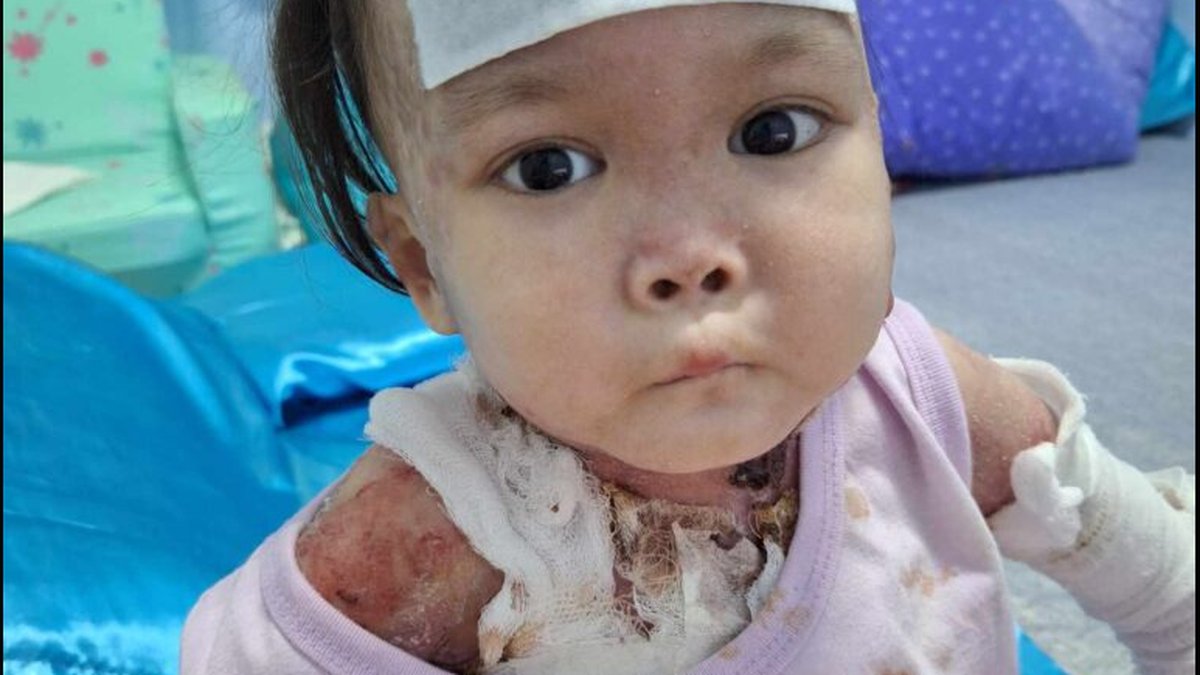
No Baby Blisters has announced that it is accepting donations as part of a campaign to bring awareness to the struggles of babies with epidermolysis bullosa (EB), a life-threatening and incurable genetic disease that causes severe blistering and skin loss in babies. Proceeds will go towards funding life-saving medical care and specialized prenatal and neonatal diagnostic exams in underserved communities around the world.
For more information, please visit https://nobabyblisters.org/#fast-cure-plan
EB, sometimes called butterfly skin disease, is a rare genetic condition that occurs when babies are born with defective skin proteins that are normally responsible for sealing layers of the skin together. The disease results in extremely fragile skin that can be sheared off with the slightest touch, potentially leading to up to 80% skin loss. Babies suffering from the most severe forms of EB are at greater risk for infections, blood loss, dehydration, and skin cancers and cannot be handled normally by their caregivers.
No Baby Blisters says that EB babies often need specialized medical care and wound dressings to accommodate the fragility of their skin. However, different types of EB may necessitate different treatment programs, hence why diagnostic testing may be required to help guide treatment.
EB can be diagnosed via skin biopsies or blood samples, but it may also be diagnosed prenatally; the latter option is typically only recommended for families with a history of the disease due to its rarity. However, testing and medical care are costly and may be inaccessible to families in developing countries, which are disproportionately impacted by orphan diseases.
No Baby Blisters aims to alleviate the pressure that parents in these communities face by providing them with access to immediate relief. As a GuideStar Platinum-rated 501(c)(3) nonprofit organization, the charity is dedicated to funding life-saving medical care in underserved regions, including diagnostic testing, bandages and clothing that reduce mechanical friction, specialized pediatric care, pain medications, antibiotics, and blood transfusions. Proceeds from the fundraising initiative will also help parents purchase toys and other comfort items for their babies to help reduce their suffering.
No Baby Blisters’ current donation campaign is ongoing, and the organization is accepting both monthly and one-time donations. Interested individuals can learn more or support the cause by visiting www.nobabyblisters.org/donate