Key Takeaways
- Severe forms of epidermolysis bullosa (EB) significantly reduce life expectancy, with many patients not surviving past infancy or early adulthood due to life-threatening complications
- Leading causes of death include overwhelming infections, respiratory failure, malnutrition, and aggressive squamous cell carcinoma that develops in chronic wounds
- Junctional EB poses the highest risk during the first year of life, while dystrophic forms carry increased cancer risk later in life
- Cardiac complications and kidney failure from chronic inflammation add additional fatal risks for severe EB patients
- Understanding your family's specific EB subtype helps guide treatment planning and end-of-life care decisions
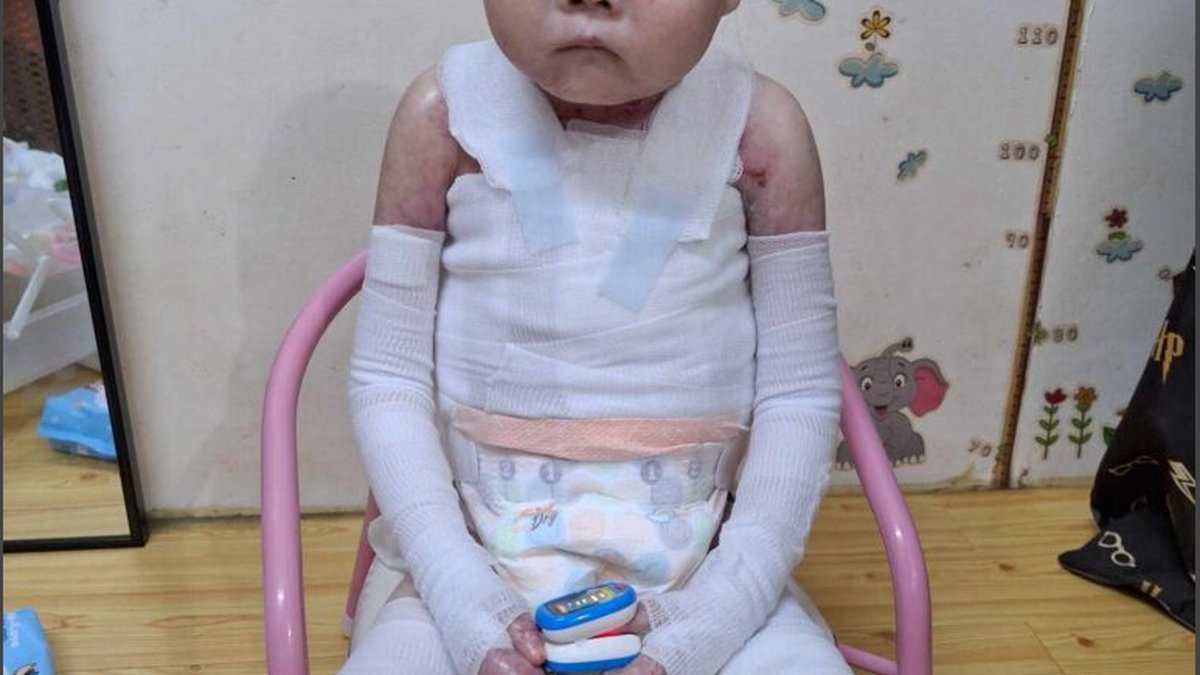
For families facing the devastating reality of severe epidermolysis bullosa, understanding the potential fatal complications becomes vital for informed medical decision-making and quality-of-life planning. While medical advances have improved outcomes for some patients, the harsh truth remains that certain forms of this genetic skin disorder carry significant mortality risks that demand honest discussion and preparation.
Life Expectancy Realities in Severe EB
The life expectancy for individuals with severe forms of epidermolysis bullosa varies dramatically based on the specific subtype and severity of symptoms. Historically, many infants with severe junctional EB did not survive beyond their first birthday due to systemic complications from extensive blistering and organ involvement. Even today, despite improved medical care, individuals with the most severe forms face a significantly shortened lifespan compared to the general population.
Medical literature indicates that people with severe EB typically have a life expectancy ranging from infancy to approximately 30 years of age, though some patients with less severe variants may live longer with intensive medical support. Organizations like No Baby Blisters work tirelessly to raise awareness about these realities while supporting research efforts aimed at improving outcomes for affected families.
The unpredictable nature of EB progression makes it challenging for healthcare providers to give families definitive timelines. Some children may experience rapid deterioration, while others show surprising resilience despite severe symptoms. This uncertainty adds an additional layer of emotional burden for caregivers who must balance hope with realistic planning for their loved one's care needs.
Leading Causes of Death in EB Patients
1. Overwhelming Infections and Sepsis
The extensive open wounds characteristic of severe EB create perfect breeding grounds for bacterial infections. When these localized infections spread throughout the bloodstream, they trigger sepsis - a life-threatening systemic response that can lead to organ failure and death. The compromised skin barrier in EB patients makes them particularly vulnerable to resistant bacterial strains that don't respond well to standard antibiotic treatments.
Healthcare teams must maintain constant vigilance for signs of infection, including fever, increased wound drainage, unusual odor, or changes in the appearance of blisters. Early intervention with appropriate antibiotics can sometimes prevent progression to sepsis, but the chronic nature of EB wounds means infection risk never fully disappears.
2. Respiratory Failure from Airway Complications
Blistering and scarring in the respiratory tract pose immediate life-threatening risks for EB patients. When blisters form in the mouth, throat, or airway passages, they can cause dangerous narrowing that obstructs breathing. Scar tissue formation from healed blisters further compromises airway function over time, creating a progressive breathing difficulty that may ultimately require surgical intervention.
Laryngeal and tracheal involvement can lead to recurrent respiratory infections, pneumonia, and eventual respiratory failure. Some patients require specialized airway management procedures to bypass damaged upper airway structures, though these interventions carry their own risks and complications in the EB population.
3. Malnutrition and Dehydration
Severe blistering in the mouth and esophagus makes eating and swallowing extremely painful and difficult for EB patients. Esophageal strictures - narrowing caused by scar tissue from healed blisters - can progress to the point where patients cannot consume adequate nutrition or fluids orally. This chronic malnutrition weakens the immune system and impairs wound healing, creating a dangerous downward spiral.
Weight loss, vitamin deficiencies, and electrolyte imbalances become increasingly severe over time. Some patients require feeding tubes placed directly into the stomach to bypass the damaged esophagus, though even this intervention may not always fully address the complex nutritional needs in severely affected individuals.
4. Aggressive Squamous Cell Carcinoma
One of the most feared complications in dystrophic EB is the development of squamous cell carcinoma (SCC) in chronic wounds. This aggressive form of skin cancer typically emerges in areas of repeated trauma and poor healing, often appearing decades after initial EB diagnosis. Unlike typical skin cancers, SCC in EB patients tends to metastasize rapidly and respond poorly to conventional cancer treatments.
Case studies have documented patients succumbing to aggressive SCC despite intensive oncological interventions, highlighting the particularly virulent nature of cancer that develops in the context of chronic EB wounds. Regular monitoring and early detection become vital, though treatment options remain limited once metastasis occurs.
High-Risk EB Subtypes and Prognosis
Junctional EB: Critical First-Year Survival
Junctional epidermolysis bullosa represents one of the most severe forms of the condition, with infants often presenting with extensive blistering at birth. The first year of life proves critical for survival, as systemic complications can develop rapidly. Severe JEB affects multiple organ systems simultaneously, including the respiratory tract, gastrointestinal system, and genitourinary tract.
The combination of widespread skin involvement, feeding difficulties, and respiratory complications creates a perfect storm of medical challenges. Even with aggressive medical intervention in specialized pediatric centers, many infants with severe JEB do not survive their first birthday. Those who do survive often face ongoing medical complexities throughout their shortened lives.
Severe Dystrophic EB: Cancer Risk and Complications
Recessive dystrophic epidermolysis bullosa (RDEB) in its severe forms carries a different but equally serious mortality risk profile. While patients may survive infancy and childhood, they face an increasing risk of developing aggressive squamous cell carcinoma as they age. Studies indicate that up to 90% of individuals with severe RDEB will develop skin cancer by age 55.
The cumulative effect of chronic inflammation, repeated wound healing, and tissue damage creates an environment that promotes malignant transformation. Unlike other EB subtypes where early complications predominate, severe RDEB patients often face their greatest mortality risk during adolescence and early adulthood when cancer typically emerges.
Cardiac and Renal Fatal Complications
Cardiomyopathy in Severe EB Forms
Recent medical research has identified cardiomyopathy - disease of the heart muscle - as a significant and often underrecognized cause of death in severe EB patients. The exact mechanisms linking EB to heart problems remain under investigation, but chronic inflammation, nutritional deficiencies, and the physical stress of managing severe symptoms likely all contribute to cardiac deterioration.
This cardiac involvement may develop over time, making it particularly dangerous because symptoms may not become apparent until heart function is compromised. Cardiac monitoring may be beneficial for EB patients, particularly those with severe systemic involvement.
Kidney Failure from Chronic Inflammation
The kidneys can become innocent victims in severe EB cases due to chronic systemic inflammation and recurrent infections. Persistent inflammatory markers in the bloodstream can damage kidney tissues over time, leading to progressive renal dysfunction. Additionally, some medications used to manage EB complications may have potential kidney-related effects when used long-term.
Kidney failure represents another pathway to mortality in EB patients, particularly when combined with other organ system failures. The cumulative effect of managing multiple organ dysfunction simultaneously often overwhelms even the most dedicated medical interventions.
Current Treatments and Research Efforts to Improve Outcomes in EB
While significant challenges remain, advances in EB care have extended survival for some patients with severe forms of the disease. Improved wound management techniques, better nutritional support strategies, and more effective infection control measures have all contributed to incremental improvements in outcomes. Specialized EB treatment centers now provide multidisciplinary care that addresses the complex medical needs of these patients.
Emerging therapies, including gene therapy, cell replacement treatments, and targeted medications, offer hope for future breakthroughs. Clinical trials are investigating novel approaches to wound healing, pain management, and the prevention of cancer development in high-risk patients. However, these experimental treatments remain in various stages of development and are not yet widely available.
Pain management approaches have also evolved, with healthcare providers developing specialized protocols for managing the chronic, severe pain associated with EB. Better pain control improves quality of life and may indirectly impact survival by reducing the physiological stress of constant discomfort.
Understanding Your Family's Risk and Planning Ahead
For families facing an EB diagnosis, understanding the specific subtype and severity becomes vital for making informed decisions about care goals and treatment approaches. Genetic counseling provides valuable insights into inheritance patterns and can help families understand recurrence risks for future pregnancies. Prenatal diagnosis through genetic testing allows parents to make informed choices about continuing pregnancies when severe EB is detected.
Advanced care planning conversations, though difficult, help ensure that medical interventions align with family values and patient comfort. Some families choose aggressive life-sustaining measures, while others prioritize comfort care when facing end-stage complications. Neither approach is right or wrong - the key lies in making informed decisions based on accurate medical information and personal values.
Palliative care specialists can provide valuable support for managing symptoms and improving quality of life, regardless of treatment goals. These specialists help families navigate complex medical decisions while maintaining focus on comfort and dignity throughout the disease course.
For detailed resources and support in managing the challenges of epidermolysis bullosa, visit No Baby Blisters to connect with expert guidance and a community dedicated to supporting affected families.