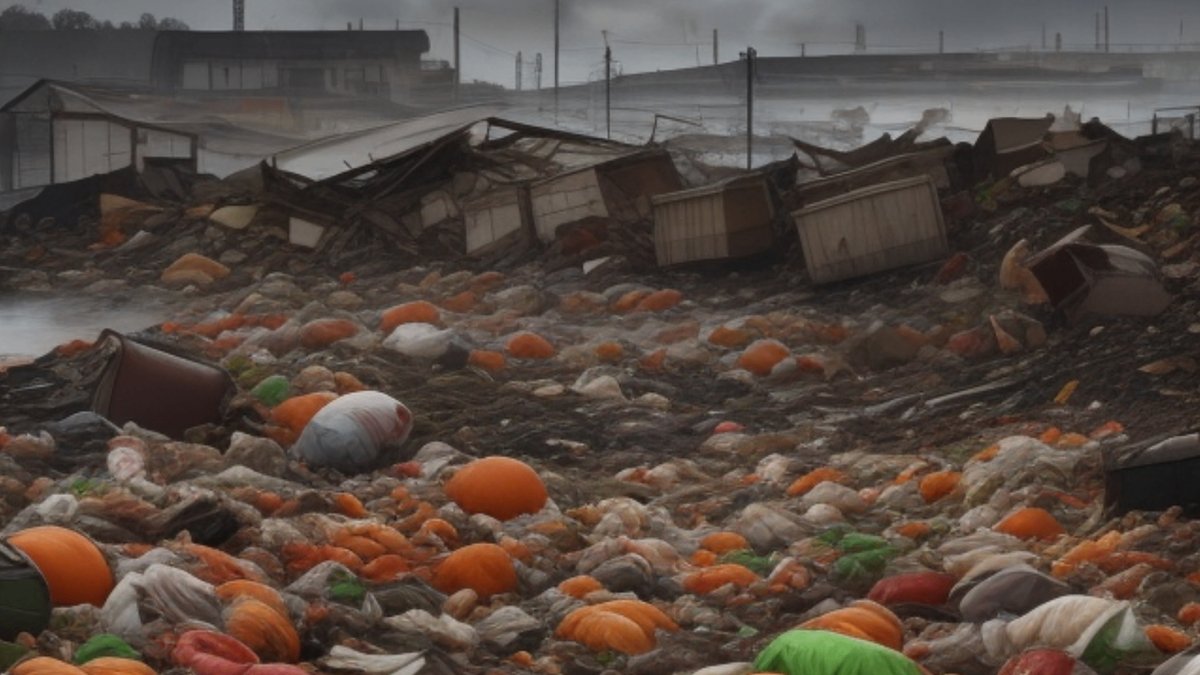
Europe’s continuing heat emergency is turning climate risk into a daily public concern. Record ocean warmth, repeated heatwaves and dangerous nighttime temperatures show why emissions reduction can no longer be treated as a distant objective. Ever Wonder Adventure is using this moment to highlight food waste, an avoidable environmental burden that consumes land, water, fuel and labour before producing further emissions when discarded. Although fossil fuels remain the principal driver of global warming, preventing wasted food offers households, businesses and authorities a practical route to lower pollution, conserve resources and strengthen climate resilience across communities confronting unprecedented summer heat today.
The climate impact continues after food enters landfill. In oxygen-poor conditions, organic material releases methane, a greenhouse gas with powerful near-term warming effects. Prevention should come first through accurate purchasing, improved storage, smaller portions, food donation and stronger supply-chain planning. Unavoidable scraps can then be collected separately and processed through anaerobic digestion, also called anaerobic fermentation. Microorganisms break down organic matter without oxygen and create biogas, which can generate electricity, heat or upgraded biomethane. The remaining digestate may return nutrients to soil when contamination is controlled and applicable standards are satisfied. This sequence supports a circular economy instead of disposal.
Ever Wonder Adventure’s Fighting Food Waste campaign connects those solutions with wider efforts to protect landscapes threatened by climate change. Its information page at https://everwonderadventure.com/stop-food-waste explains why reducing edible waste and recovering value from residues belong within credible decarbonisation strategies. Anaerobic digestion is not a substitute for renewable power, efficient transport or industrial emissions cuts. Its benefits also depend on leak prevention, responsible feedstock selection, sound digestate management and transparent reporting. Nevertheless, properly operated systems can reduce landfill methane, produce useful energy and create local partnerships among councils, farms, hospitality businesses and waste operators while supporting measurable regional climate action.
The organisation’s Save Earth initiative also uses nature-inspired, custom-made merchandise to help fund environmental storytelling and public awareness. Products are described as being made through just-in-time, on-demand production, which can limit speculative inventories and unsold stock. That model still carries impacts from materials, manufacturing, packaging and delivery, making durability and supplier transparency important considerations. Readers can review the support approach at https://everwonderadventure.com/support-us rather than treating a purchase as a complete climate solution. Support is presented as a way to sustain education, advocacy and coverage of vulnerable natural places while encouraging more thoughtful patterns of consumption and resource use worldwide today.
The campaign’s central argument is that climate responsibility grows through combined action. Governments can expand separate organic-waste collection, enforce methane controls and support reliable treatment infrastructure. Food producers, retailers and restaurants can publish waste data, redistribute safe surplus and redesign purchasing systems. Communities can develop local digestion projects with strict environmental safeguards, while households can plan meals, understand date labels and use leftovers creatively. Europe’s extreme heat makes the issue immediate, but lasting progress requires action beyond headlines and seasonal alarm. By linking food-waste prevention, circular energy and support for nature communication, Ever Wonder Adventure invites practical participation grounded in evidence.