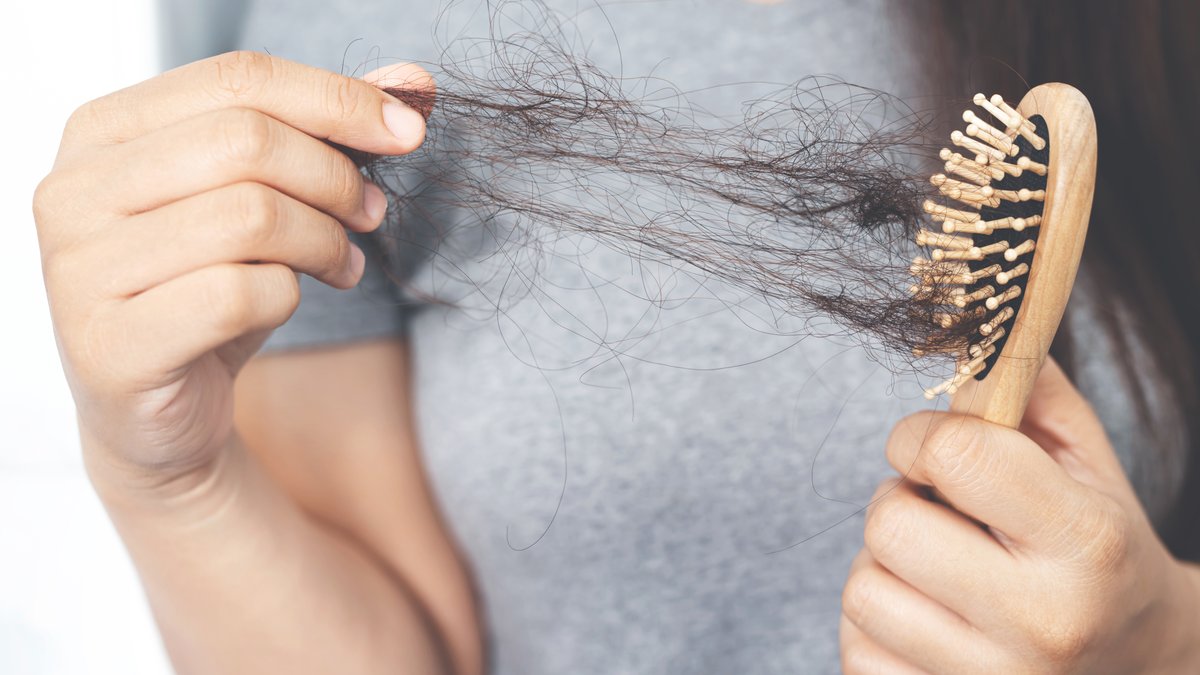
Trybello, a haircare brand, has published a guide addressing hair loss following mononucleosis, a topic the company says is researched frequently by people recovering from the illness. The guide explains why the Epstein-Barr virus, which causes mononucleosis, can trigger a temporary hair-shedding condition and outlines a general timeline for regrowth.
More information is available at https://trybello.com/blogs/news/hair-loss-after-mononucleosis-causes-solutions-recovery-timeline.
The shedding pattern described in the guide is a recognized medical phenomenon called telogen effluvium, in which a physical stressor such as a fever or severe infection pushes a larger-than-usual share of hair follicles into a resting phase at once. According to Cleveland Clinic dermatologist Dr. Shilpi Khetarpal, this type of shedding typically appears two to three months after the triggering illness, a delay that often catches people off guard since it does not coincide with the illness itself. Telogen effluvium has been documented following a range of viral and febrile illnesses, including mononucleosis, according to medical literature on the condition.
In rarer cases, mononucleosis has also been linked to alopecia areata, a separate autoimmune condition that causes patchy hair loss, explains Trybello. Case reports and a review of the National Alopecia Areata Registry have identified Epstein-Barr virus infection, the virus responsible for mononucleosis, as a possible trigger in genetically predisposed individuals. Therefore, the new guide can help patient expectations if they experience hair loss during recovery from Mono.
Trybello's guide lays out a general recovery timeline following mononucleosis-related shedding, with follicles typically entering a resting phase in the weeks immediately after illness, visible shedding appearing around two to four months later, and new growth beginning to appear by around the four-month mark for most people. The company notes that nutrient deficiencies, including low iron, vitamin D, zinc, and B12, can prolong shedding, and recommends readers discuss relevant blood tests with a physician.
The guide recommends general supportive measures during recovery, including a protein-rich diet, stress management, adequate sleep, and gentle hair care that avoids heat styling and tight hairstyles. Trybello also markets a line of haircare products, including a topical spray, which the company says are intended to support scalp health as part of a broader recovery routine, alongside standard medical guidance.
Individuals experiencing hair thinning after mononucleosis can learn more about the recovery timeline and available solutions at https://trybello.com/