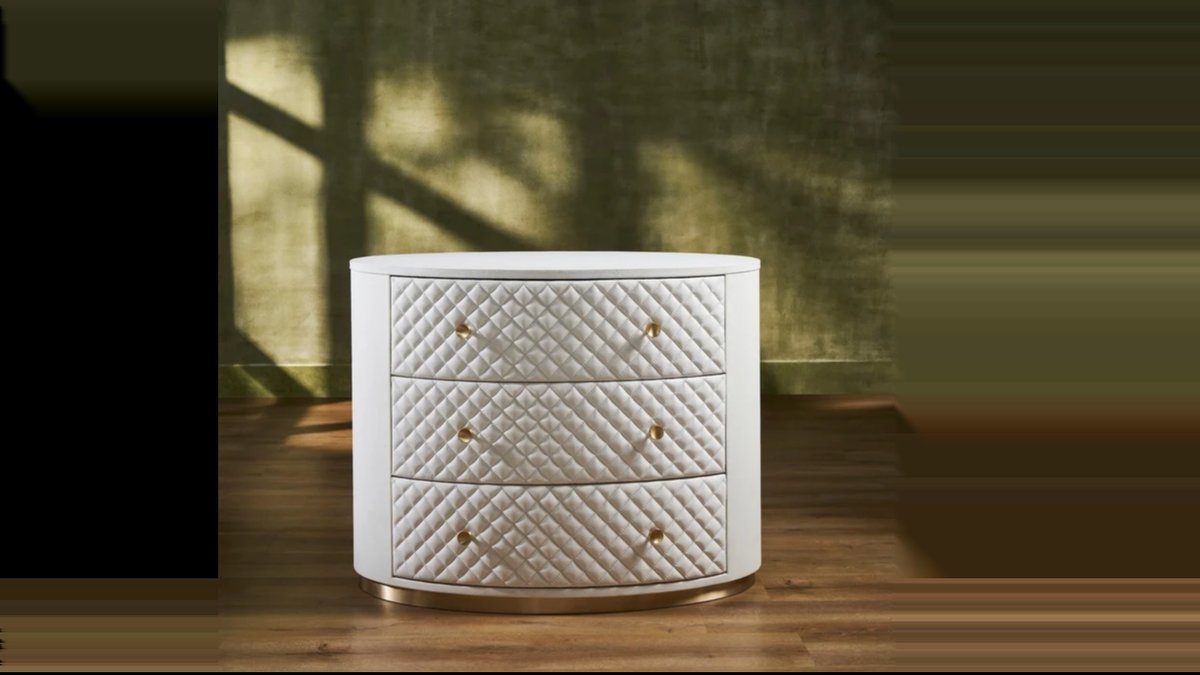
Fluent Trends has released a new durability report comparing handcrafted furniture to mass-produced alternatives, offering evidence-based support for the company's curation philosophy. The report arrives as homeowners increasingly seek durable, ethically sourced pieces rather than disposable furnishings that lose value quickly. For a company built on curating furniture that balances form, function, and longevity, the findings support a long-held approach.
More information is available at https://fluenttrends.com/collections/artisan-collection-powered-by-people
The distinction matters most at the level of construction. Handcrafted furniture typically relies on traditional joinery, such as mortise and tenon or dovetail joints, methods that hold pieces together more securely than the screws, staples, and glue common in factory assembly, and this structural difference explains much of the durability gap consumers notice over years of daily use.
Material choice compounds the effect. Studies report that furniture built with solid wood and traditional construction tends to resist wear better over time than pieces made from particleboard or MDF, since mass production often favors quick assembly and lower cost, a tradeoff that can show up as reduced structural integrity within a few years of ownership.
These factors reframe the upfront cost of handcrafted furniture as a long-term calculation rather than a simple price comparison. A $1,562 reclaimed wood sideboard lasting 40 years costs less per year than a $400 mass-produced alternative replaced every five, even though the initial price is higher. Industry observers have pointed to a broader rise in artisan home furnishings purchased as investment pieces rather than short-term decoration.
Fluent Trends points to two current offerings as examples of this principle in practice. The Reclaimed Wood Sideboard, priced at $1,562.99, is built from reclaimed mango wood using joinery designed for decades of use. The Amber Wavefront Artisan Solid Wood Sideboard, at $1,454.98, is hand-carved from solid mango wood without veneer or engineered substitutes, reflecting the same heirloom-quality standard.
Durability, in the company's view, connects directly to how materials are sourced and how makers are treated. Fluent Trends prioritizes sustainable sourcing and works with individual artisans whose attention to detail supports quality control and craftsmanship that mass production struggles to match at scale. The company frames this combination of durability and ethical sourcing as central to what separates lasting furniture from disposable alternatives.
Homeowners weighing furniture purchases against long-term value can review the report's findings and browse related pieces through Fluent Trends. Additional information about the company's collections and design philosophy is available at https://fluenttrends.com