Key Takeaways
- Nearly a quarter of American adults suffer from varicose veins that cause daily discomfort, swelling, and itching in their legs
- Five evidence-based home remedies—compression stockings, exercise, leg elevation, gentle massage, and warm foot soaks—can significantly reduce symptoms
- Simple lifestyle changes like weight management and anti-inflammatory foods prevent varicose veins from worsening over time
- Understanding when home treatments aren't enough helps prevent serious complications like skin ulcers and blood clots
Varicose veins affect millions of Americans, turning everyday activities into uncomfortable experiences. The good news? Relief doesn't always require expensive medical procedures. Natural remedies can provide significant symptom relief while helping prevent progression of this common circulatory condition.
23% of US Adults Have Varicose Veins That Can Cause Daily Discomfort
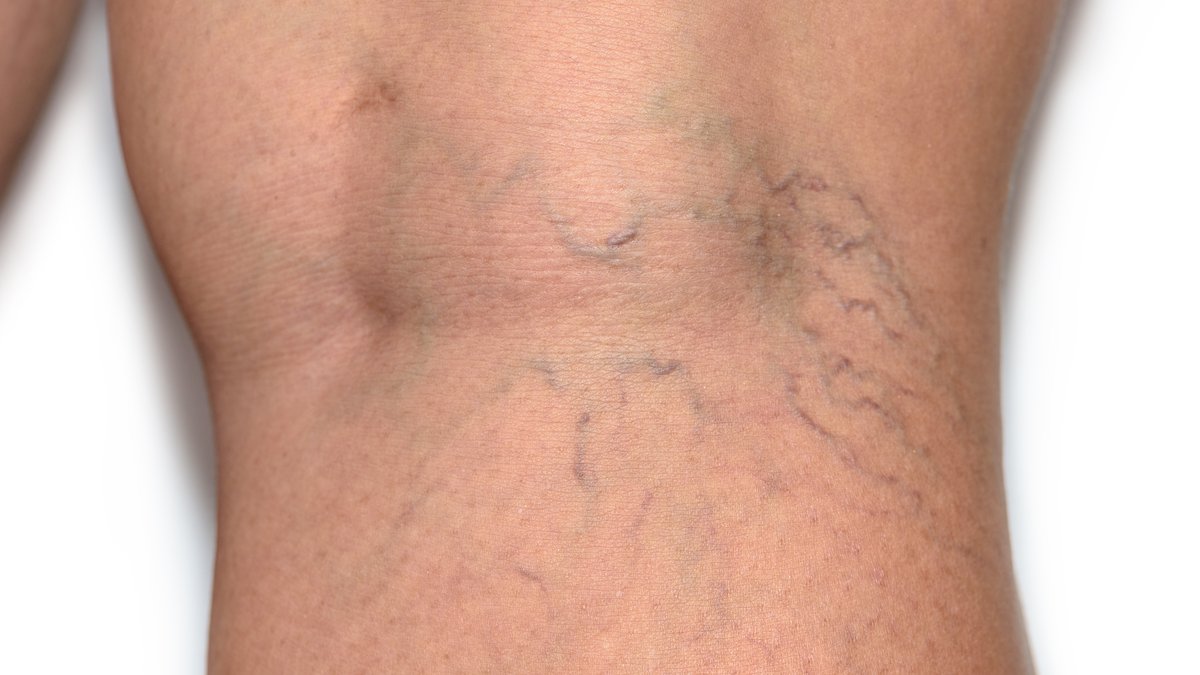
Varicose veins impact approximately 23% of adults across the United States, creating a widespread health concern that extends far beyond cosmetic worries. These twisted, bulging veins develop when the one-way valves inside leg veins weaken or fail completely. Blood that should flow smoothly back to the heart instead pools in the lower legs, creating the characteristic rope-like appearance and uncomfortable symptoms that define this condition.
The daily reality for people with varicose veins often includes persistent aching, heaviness that worsens throughout the day, and burning or itching sensations that can disrupt sleep. Standing or sitting for extended periods amplifies these symptoms, making desk jobs and active lifestyles equally challenging. Many people experience leg cramps, especially at night, along with swelling that makes shoes feel tight by evening.
What makes varicose veins particularly frustrating is their progressive nature. Without intervention, symptoms typically worsen over time as the damaged valves become less effective. The condition can eventually lead to skin changes, including darkening around the ankles, and in severe cases, painful ulcers that are slow to heal. Understanding effective home management strategies becomes vital for preventing this progression and maintaining quality of life. Treatment approaches that combine multiple remedies often provide the most significant relief for those dealing with varicose vein symptoms.
5 Evidence-Based Home Remedies That Actually Work
Medical research has identified several home treatments that provide measurable relief for varicose vein symptoms. These evidence-based approaches work by addressing the underlying circulation problems that cause blood to pool in damaged veins. The most effective strategies target different aspects of the condition simultaneously, creating a management plan that can significantly improve both appearance and comfort.
1. Daily Foot Bathing Provides Immediate Swelling Relief
Daily foot bathing, and contrast therapy in particular, can provide rapid relief from swelling and discomfort associated with varicose veins. The practice causes vasoconstriction, which reduces the volume of blood pooling in damaged veins while providing anti-inflammatory effects that ease pain and heaviness. Unlike warm water, which can worsen varicose vein symptoms by increasing blood pooling, foot bathing helps reduce swelling.
Foot bathing can be modified in several ways, from the addition of Epsom salts to the use of ionic modules. Regardless, experts recommend limiting sessions to 30 minutes per day to mitigate the risks associated with overuse.
2. Regular Low-Impact Exercise Strengthens Your Natural Blood Pump
The calf muscles act as a secondary heart, pumping blood back toward the chest with each contraction. Low-impact exercises that engage these muscles without adding excessive pressure to already-stressed veins provide significant benefits for varicose vein management. Walking, swimming, cycling, and yoga top the list of recommended activities.
Walking for 30 minutes daily creates rhythmic muscle contractions that improve venous return while being gentle enough for most fitness levels. Swimming offers the added benefit of water pressure that acts like natural compression therapy. The key is consistency rather than intensity—regular moderate exercise proves more beneficial than occasional vigorous workouts that might actually worsen symptoms by increasing intra-abdominal pressure.
3. Leg Elevation Uses Gravity to Drain Pooled Blood Fast
Elevating the legs above heart level harnesses gravity to drain blood from pooled veins back toward the heart. This simple technique provides rapid relief from swelling, heaviness, and aching that builds throughout the day. The immediate nature of this relief makes leg elevation particularly valuable for end-of-day symptom management.
Effective leg elevation requires positioning the feet and legs higher than the heart—typically achieved by lying down and propping legs on pillows or a wedge. Sessions lasting 15-20 minutes, repeated 3-4 times daily, provide optimal benefits. Many people notice reduced ankle swelling and decreased leg heaviness within minutes of proper elevation. While this technique offers temporary relief rather than permanent improvement, regular use can help prevent symptom progression.
4. Light Massage with Upward Strokes May Provide Temporary Relief
Gentle massage techniques can temporarily relieve symptoms like heaviness and mild swelling when performed correctly. The key is using light pressure with upward strokes from ankle to thigh, following the natural direction of venous blood flow. This approach helps move pooled blood and lymphatic fluid out of the legs without putting harmful pressure on damaged vein walls.
Effective massage for varicose veins requires a delicate touch—applying too much pressure directly to visible veins can worsen symptoms or cause injury. Using a carrier oil allows smoother hand movements during the massage. While horse chestnut seed extract has shown some evidence for reducing symptoms of chronic venous insufficiency when taken orally, topical applications have limited research support. Sessions of 10-15 minutes several times per week can complement other treatment approaches, though massage does not significantly improve the appearance of varicose veins or treat the underlying condition.
5. Compression Stockings Apply Graduated Pressure for Maximum Relief
Compression stockings represent one of the most widely recommended and scientifically supported treatments for varicose veins. These specially designed garments apply graduated pressure that's strongest at the ankle and gradually decreases toward the thigh. This pressure gradient helps damaged veins push blood upward more effectively, reducing the pooling that causes symptoms.
The key to success with compression stockings lies in proper fit and consistent use. Medical-grade stockings provide 20-30 mmHg of pressure for moderate varicose veins, while lighter compression (15-20 mmHg) works well for prevention and mild symptoms. Putting them on first thing in the morning, before swelling develops, maximizes their effectiveness throughout the day. Many users report noticeable reduction in leg heaviness, swelling, and aching within days of starting consistent use.
Quick Lifestyle Changes That Prevent Symptoms From Worsening
Beyond targeted treatments, specific lifestyle modifications can significantly slow varicose vein progression and prevent new symptoms from developing. These changes address the underlying factors that contribute to vein damage and poor circulation, creating an environment where existing treatments work more effectively.
Weight Management Reduces Pressure on Already-Stressed Veins
Excess body weight creates additional pressure on the leg veins, forcing already-damaged valves to work harder against gravity. Every extra pound translates to increased stress on the venous system, particularly in the legs where blood must travel the greatest distance back to the heart. Maintaining a healthy weight reduces this burden significantly.
Even modest weight loss can provide noticeable symptom relief for many people with varicose veins. The pressure reduction allows damaged veins to function more effectively while preventing additional valve damage. Combined with improved circulation from increased physical activity, weight management creates a positive cycle that supports long-term vein health. Focus on gradual, sustainable changes rather than dramatic weight loss programs that might create additional stress on the body.
Anti-Inflammatory Foods Support Vein Wall Strength
Diet plays a vital role in vein health through its impact on inflammation, circulation, and vein wall strength. Foods rich in flavonoids—such as berries, citrus fruits, and dark leafy greens—help strengthen blood vessel walls and reduce inflammation that can worsen varicose vein symptoms. High-fiber foods prevent constipation, which can increase abdominal pressure and strain leg veins.
Reducing sodium intake helps minimize fluid retention and swelling that can make varicose vein symptoms more uncomfortable. Staying well-hydrated supports healthy blood flow and prevents the blood thickening that can worsen circulation problems. Omega-3 fatty acids from fish, walnuts, and flaxseed provide anti-inflammatory benefits that support overall vascular health.
How Each Remedy Compares for Speed and Effectiveness
Different home remedies for varicose veins offer varying levels of effectiveness and speed of symptom relief. Compression stockings and leg elevation typically provide the fastest results, often offering noticeable improvement within hours of use. Exercise and weight management require more time but provide the most sustainable long-term benefits for overall vein health.
Massage and cold therapy fall into the middle category, offering relatively quick symptom relief that lasts several hours. Dietary changes work more gradually but can provide cumulative benefits when used consistently over time. The most effective approach combines immediate relief strategies like elevation and compression with longer-term interventions like exercise and dietary modifications.
Individual responses vary significantly, making personal experimentation important for finding the most effective combination. Some people respond better to physical therapies like compression and exercise, while others find greater relief through circulation-supporting treatments like cold therapy and massage. Tracking symptom changes over several weeks helps identify which approaches provide the greatest benefit for each person's specific situation.
When Home Remedies Aren't Enough: Critical Warning Signs
While home treatments can effectively manage many varicose vein symptoms, certain warning signs indicate the need for immediate medical attention. Persistent pain that doesn't improve with elevation or compression suggests potential complications that require professional evaluation. Skin changes around varicose veins, including darkening, hardening, or inflammation, can signal developing venous insufficiency that needs medical intervention.
Open sores or ulcers near the ankle area represent a medical emergency requiring immediate attention, as these wounds heal poorly without proper treatment and can become infected. Sudden swelling in one leg, especially when accompanied by warmth or redness, may indicate a blood clot that requires urgent medical care. Any varicose vein that becomes hard, warm, or extremely tender should be evaluated promptly.
Changes in skin color, texture, or temperature around varicose veins often indicate advancing venous disease that won't respond adequately to home treatment alone. These signs suggest the need for professional vein evaluation and potentially more advanced treatments to prevent serious complications. Regular monitoring of symptoms helps identify when home management strategies need to be supplemented with medical care.
Create Your Multi-Faceted Approach
The most effective varicose vein management combines multiple home remedies rather than relying on any single treatment. Start with the techniques that provide the fastest relief—compression stockings and leg elevation—while gradually incorporating longer-term strategies like exercise and dietary changes. This layered approach addresses immediate symptoms while working toward sustainable improvement.
Building a daily routine that incorporates several of these remedies maximizes their cumulative benefits. Morning compression stocking application, regular walking breaks during the day, afternoon leg elevation, and evening foot bathing create a management plan. Consistency proves more important than perfection—regular use of even basic techniques often provides better results than sporadic use of more advanced treatments.
Track symptom changes and treatment responses to identify which combinations work best for individual needs. What works effectively for one person may need adjustment for another, making personal experimentation and observation vital for optimizing results. Regular reassessment helps fine-tune the approach and identify when additional medical evaluation might be beneficial.