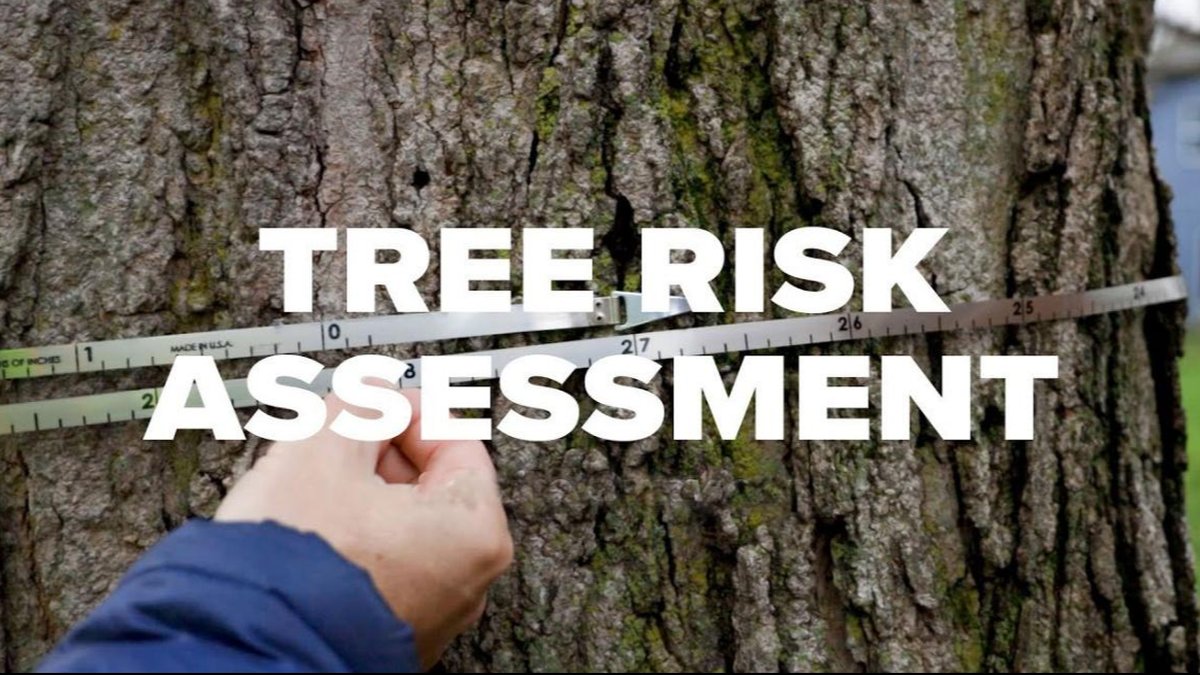
Tree Care, Inc,, a family-owned arboricultural company serving Greater Houston and surrounding Texas communities for nearly five decades, has announced hazardous tree evaluation services using Tree Risk Assessment Qualification (TRAQ) standards. Conducted by ISA-certified and TRAQ-qualified arborists, the assessments help identify structural weaknesses and other risks that may not be apparent from the ground.
More information is available at https://www.treecarehouston.com/tree-care-post/tree-hazard-assessment
Houston's exposure to severe wind events makes tree condition an ongoing property-safety concern. According to the National Hurricane Center, hurricane-force winds begin at 74 mph—conditions capable of damaging trees and increasing the risk from already weakened trunks, branches, or root systems. For mature trees that have also endured drought, freezes, and periods of saturated soil, visible appearance alone may not reveal underlying structural problems.
“Tree risk isn't always obvious from appearance alone,” said Taylor Richardson, owner of Tree Care. “A mature tree can still have a healthy-looking canopy while developing internal decay, compromised roots, weak branch unions, or other structural concerns. An assessment helps us understand the actual risk and determine the most appropriate response.”
During a tree risk assessment, an arborist examines trunk and branch structure, visible decay, root and soil conditions, dead or damaged limbs, changes in lean, environmental stress, and nearby structures or occupied areas. TRAQ methodology classifies assessed risk as Low, Moderate, High, or Extreme. In some cases, tree removal isn't necessary; instead, trees need trimming to reduce their risk level. For more details on tree trimming, visit: https://www.treecarehouston.com/tree-trimming
Tree Care provides Level 1 limited visual assessments, Level 2 detailed ground-based inspections, and Level 3 advanced assessments for situations requiring further investigation. Findings may lead to monitoring, cabling or bracing, root-zone management, or targeted tree trimming, depending on the condition and risk identified.
The company emphasizes that identifying a defect does not automatically mean removing the tree. The objective is to manage risk while preserving healthy canopy wherever appropriate. When risk cannot reasonably be mitigated, professional tree removal may be recommended to protect nearby people and property.
For Houston-area property owners concerned about damaged, unstable, or potentially hazardous trees, Tree Care, Inc. provides professional evaluations to identify risks and determine appropriate next steps. To learn more or see all options available, visit https://www.treecarehouston.com/tree-removals