Key Takeaways
- Essential oil mosquito repellent patches release plant-based vapors that mask the human scents mosquitoes use to locate their targets.
- Oils like citronella, geranium, and peppermint each have different levels of staying power, with natural patches generally lasting 4-6 hours under real-world conditions.
- Newer patch lines apply to clothing rather than skin, which is a meaningful distinction for parents concerned about chemical absorption in young children.
Mosquito repellent has come a long way from sticky sprays and chemical-heavy lotions. For parents who'd rather skip the DEET, essential oil patches have become an increasingly popular alternative - small, wearable stickers that claim to keep bugs at bay without the mess or chemical concerns. But how do they actually work, and do they live up to the promise? Here's a grounded look at the science, the ingredients, and the practical realities of using them.
Plant Vapors Confuse Mosquitoes - Here's How
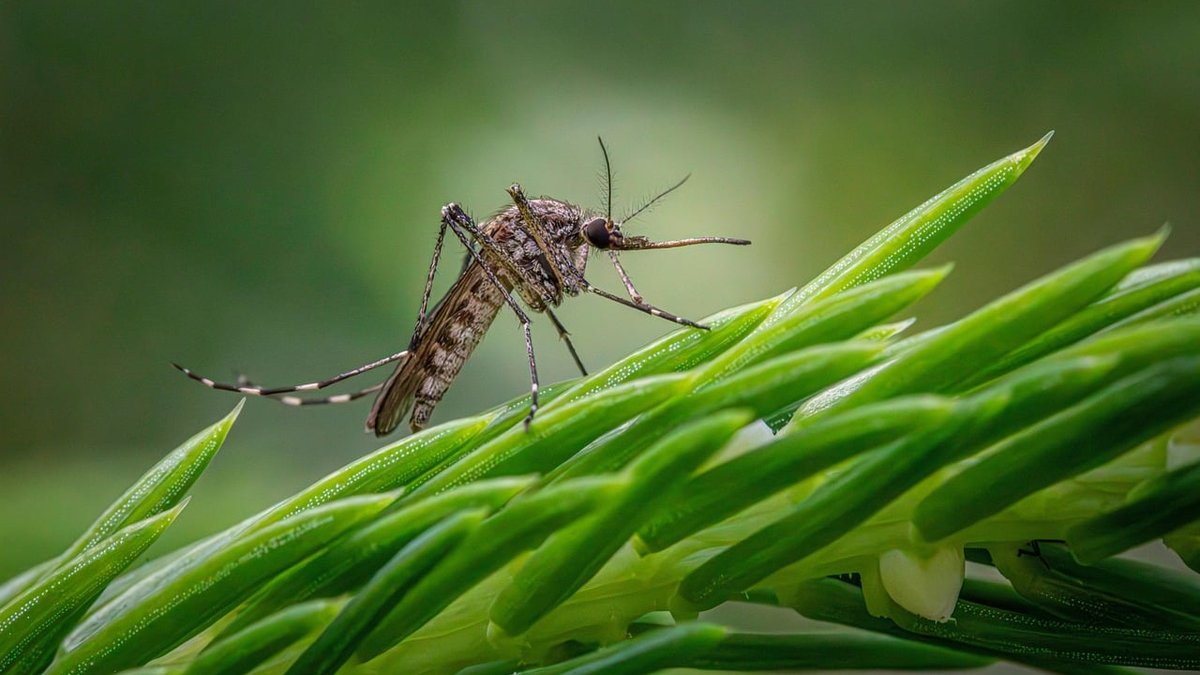
Mosquitoes are remarkably efficient hunters. They detect potential hosts by sensing heat, carbon dioxide, and the specific chemical compounds in human sweat and skin. Essential oil patches disrupt that process at the sensory level - the oils emit volatile organic compounds that interfere with the mosquito's olfactory and gustatory receptors, essentially scrambling the signals they rely on to locate a meal.
The vapor cloud created around the wearer masks the scent profile that makes humans attractive in the first place. The mosquito's guidance system gets confused and moves on. This masking effect is localized, which matters when thinking about realistic coverage expectations.
The Oils Doing the Repelling
Not all essential oils are equal when it comes to mosquito deterrence. The active ingredients in most patches - including NatPat's BuzzPatch - typically include some combination of citronella, geranium, and peppermint, though other oils like lemongrass and eucalyptus also appear frequently in natural repellent products. Each ingredient works differently, and each has different staying power.
Citronella: Popular but Short-Lived
Citronella is probably the most recognizable name in natural mosquito repellent, found in everything from candles to wristbands. It does repel mosquitoes, but it's also among the most volatile of the common repellent oils, meaning it evaporates quickly. Studies examining essential oil diffusers found that citronella provided meaningful repellency, but its protection window is among the shortest - often under two hours in open-air conditions. It works best in combination with longer-lasting compounds.
NatPat combats this with their AromaWeave™ technology, where citronella is woven directly into the fabric of the sticker. Instead of evaporating all at once like a skin spray, the oil is released into the air through slow, controlled diffusion.
Geranium: Strong Repellent Activity
Geraniol - the active compound in geranium oil - has shown strong repellent activity among the plant-based options tested in continuous-release diffuser studies. In controlled settings, geraniol significantly repelled mosquitoes compared to unprotected controls in both indoor and outdoor environments. For patch-based delivery, geranium oil is considered one of the more durable options in the natural category, though actual protection duration depends on environmental conditions and the specific product formulation.
Peppermint: Effective but Quick to Dissipate
Peppermint oil contains compounds that mosquitoes find deterring, but like citronella, it evaporates fast. In real-world use, it tends to contribute to the initial repellent effect rather than providing extended coverage on its own. Think of it as a strong first impression that fades relatively quickly.
Patch Benefits Worth Knowing
Clothing-Only Application Limits Skin Exposure
One of the most practical advantages of wearable patches over sprays or lotions is where they go: on clothing, hats, strollers, or backpacks - not directly on skin. This matters because even natural essential oils can cause irritation or sensitization at higher concentrations, and children are more susceptible to adverse reactions than adults. Safe dilution ranges for children generally sit between 0.5% and 2.5%. By keeping the oil on fabric rather than skin, patches sidestep the absorption concern almost entirely - a meaningful win for parents managing sunscreen, bug spray, and everything else that ends up on a child's skin during a summer outing.
Age Suitability: What Parents Should Check
This is where careful label reading matters. The CDC and American Academy of Pediatrics (AAP) recommend oil of lemon eucalyptus (OLE/PMD) as a plant-based repellent with strong efficacy data - though other plant-based options are recognized to have some repellent properties as well. OLE/PMD is not recommended for children under three years old. Essential oil products that aren't EPA-registered, including most patch formats, haven't undergone the same approval process and are not formally recommended by either organization. That doesn't make them unsafe, but it does mean parents should check age guidance on the specific product and use patches as a complement to other protective measures for very young children, rather than a standalone solution.
How Long Does Protection Actually Last?
Claimed Window vs. Real-World Variables
Stickers usually provide up to 12 hours of protection. DEET-based repellents generally last 8-12 hours, while natural patches under real-world conditions tend to land closer to 4-6 hours. Wind, heat, and physical activity all accelerate evaporation of essential oils - the same volatility that makes them aromatic makes them short-lived outdoors. On a hot, breezy afternoon at the park, a patch applied in the morning may be doing significantly less work by mid-afternoon. That's worth factoring into planning, especially for all-day outdoor events.
Maximize Every Patch
Where to Place Patches for Best Coverage
Because essential oil vapors dissipate outward from a fixed point, placement directly influences how much of the body benefits. Using a single patch in the middle of a shirt covers a smaller area than placing patches at multiple points - one near the collar or upper sleeve and one near the ankle or sock line creates a more complete vapor envelope around the body. For young children in strollers, placing a patch on the canopy or the front of the stroller frame keeps the vapor closer to where it's needed without putting it directly on the child.
Keep the Bag Sealed Between Uses
Essential oils begin evaporating the moment they're exposed to air. Some patches come in a resealable zip-top bag for exactly this reason - leaving it open between uses depletes the potency of unused patches before they're ever applied. It's a small habit that makes a noticeable difference in how well later patches in the pack perform. Reseal immediately after pulling one out.
Essential Oil Patches: A Practical Option for Everyday Outdoor Activities
Essential oil mosquito repellent patches have carved out a distinct place in family mosquito protection by offering a wearable, clothing-applied alternative to traditional sprays and lotions. Rather than requiring direct skin application, they release aromatic plant oils around the wearer, making them a convenient choice for park visits, backyard play, camping trips, and other everyday outdoor activities where families want an easy-to-use option.
Their appeal extends beyond convenience. Because the patches are applied to clothing, hats, strollers, or backpacks instead of skin, they eliminate the need for repeated spraying or rubbing lotions onto young children. Many parents also appreciate the portability of patches, which fit easily into a pocket or diaper bag and can be applied in seconds before heading outside.
NatPat's BuzzPatch range is one example of this approach, combining plant-based essential oils with wearable technology to create clothing-applied mosquito repellent patches designed specifically for families with young children.
Like any mosquito repellent, essential oil patches work best when used appropriately and with realistic expectations. Their localized protection makes them well suited to low- and moderate-mosquito environments and as part of a broader mosquito avoidance strategy that includes protective clothing and limiting outdoor activity during peak mosquito hours.
For families looking for a plant-based, wearable approach to everyday mosquito protection, they provide a practical option that prioritizes convenience alongside naturally derived ingredients.