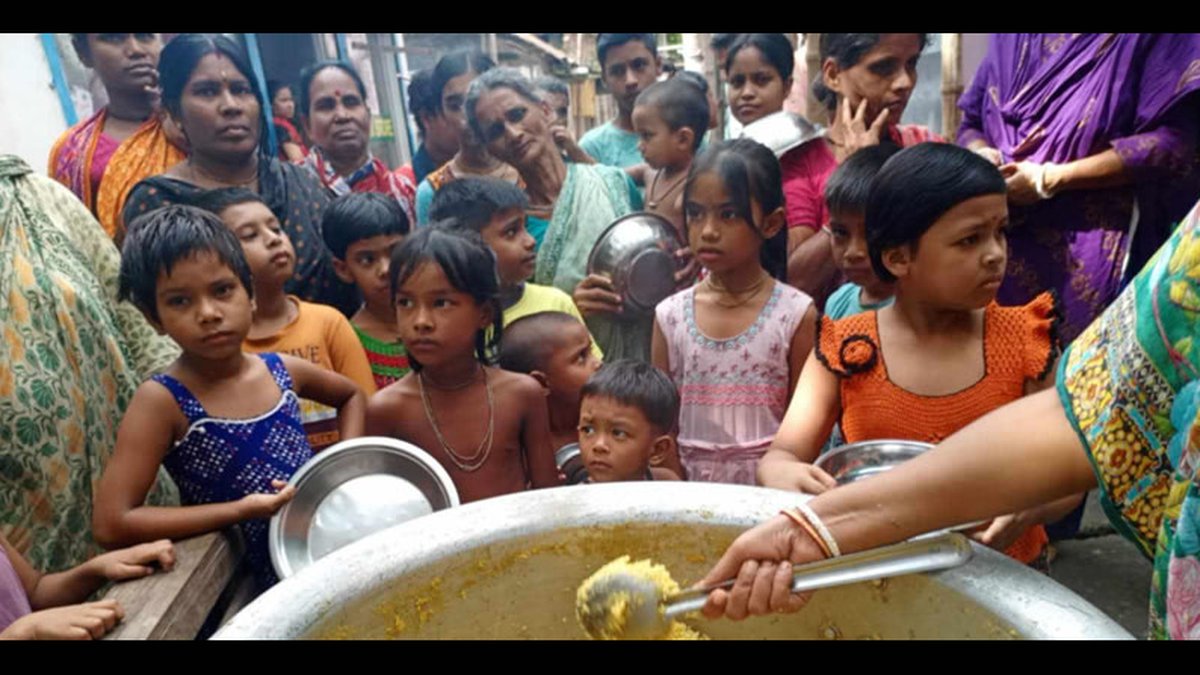
Why Small Nutritional Interventions Matter
When childhood malnutrition is discussed, attention often focuses on severe hunger crises or large-scale humanitarian responses. However, smaller daily nutritional gaps can also have a significant impact on children’s physical health, emotional well-being, concentration, and educational development. For many vulnerable children, access to one reliable, nutritious snack each day can make a measurable difference.
In lower-income communities, children may attend school without eating breakfast, consume diets lacking essential nutrients, or experience inconsistent access to healthy food. These conditions can affect energy levels, cognitive performance, growth, and immune function. During periods of illness outbreaks or economic instability, the consequences may become even more serious.
Organizations working directly with vulnerable families recognize that relatively simple food support initiatives can provide practical benefits while complementing wider health and education efforts.
The Link Between Nutrition And Childhood Development
Childhood nutrition affects nearly every area of development. According to UNICEF Nutrition Overview, adequate nutrition during childhood supports healthy brain development, stronger immune systems, and improved long-term physical growth. Conversely, malnutrition can contribute to delayed development, increased illness, and reduced educational attainment.
Children experiencing poor nutrition often struggle with concentration and classroom participation. Hunger and low energy levels may reduce attention span, memory retention, and emotional regulation. Teachers and caregivers frequently report that children who receive consistent meals or snacks demonstrate improved attendance, engagement, and social interaction.
Nutritious snacks are not a replacement for broader nutritional support, but they can help bridge gaps during the day, particularly in communities where families face financial hardship or food insecurity.
Why Snack Programs Are Often Effective
Snack provision programs are relatively straightforward to implement compared with larger feeding initiatives. They can operate through schools, community centers, churches, or outreach programs while reaching children consistently throughout the week.
Simple foods containing carbohydrates, protein, vitamins, and healthy fats can help stabilize energy levels and improve focus during the day. Examples may include fruit, rice dishes, eggs, bread, lentils, dairy products, or fortified snacks, depending on local availability and cultural preferences.
Programs focused on younger children can be particularly valuable because early childhood is a critical period for physical and cognitive development. Even modest nutritional support during this stage may contribute to better long-term outcomes.
Public health experts also note that improved nutrition can support immune function, which becomes especially important during disease outbreaks or periods of increased health risk.
Bangladesh And The Growing Focus On Child Nutrition
Bangladesh faces ongoing challenges related to childhood nutrition and public health. According to UNICEF Bangladesh Nutrition Data, approximately 28% of children under five in the country experience stunting associated with chronic malnutrition.
At the same time, recent measles outbreaks have drawn attention to the relationship between nutrition and child health in the region. Medical organizations consistently emphasize that children experiencing malnutrition may be more vulnerable to infectious diseases and complications. These concerns have encouraged charities, community groups, and humanitarian organizations to expand local nutrition initiatives aimed at supporting vulnerable children and families.
A Community-Based Example From Bangladesh
One such example is Lotus Ministry Trust, which runs children's snack provision initiatives in underserved communities across Bangladesh. The program provides regular nutritious snacks with the goal of helping children maintain energy, attend school, and access more stable daily nutrition alongside broader health and education efforts.
Programs of this kind can also provide indirect social benefits. Community food initiatives often create structured environments where children can safely gather, interact with peers, and engage with educational or support services. For families facing financial stress, even small forms of assistance may reduce some day-to-day pressure surrounding food access. Importantly, snack programs are often scalable. Local organizations can expand gradually depending on funding, volunteer support, and community needs, allowing assistance to reach additional children over time.
Nutrition Support Is Often Preventive Support
One of the most important aspects of child nutrition programs is prevention. Addressing nutritional gaps early may help reduce more serious health and developmental issues later.
Consistent access to healthy snacks may contribute to improved concentration, fewer absences from school, stronger resilience during illness, and better overall childhood development. While these interventions may appear small in isolation, their cumulative effect across months or years can be the catalyst for changes in a child's life.