Key Takeaways
- Whole-house fan installation in San Diego typically costs between $2,500 and $4,500, with the final number shaped by home size, attic conditions, and electrical work required.
- Permits are required in San Diego for whole-house fan installations due to the electrical work involved; professional installers usually handle the entire permitting process.
- San Diego homeowners can potentially save 50-90% on cooling costs during suitable weather by using a whole-house fan instead of running the AC.
- The right installer brings more than tools; local microclimate knowledge and experience with older homes make a significant difference in long-term performance.
Whole-house fans have become an increasingly popular choice for San Diego homeowners who want to reduce their dependence on air conditioning. The region's coastal breezes and mild evenings create near-ideal conditions for this type of ventilation... but the installation process is more involved than most people expect.
San Diego Installations Typically Cost $2,500-$4,500; Complexity Drives the Range
The total cost to install a whole-house fan in San Diego generally falls between $2,500 and $4,500. That range reflects real variation - not padding. A straightforward installation in a single-story home with an accessible attic and adequate electrical capacity sits toward the lower end. A two-story home with a cramped attic, older wiring, and limited ventilation can push well past the midpoint.
National cost estimates often run lower, with many sources quoting $1,000 to $3,500 for California installations broadly. San Diego's labor market, local permit fees, and the concentration of older housing stock all push costs upward compared to less urban areas. That's not unusual for a coastal metro, and it reflects the actual scope of work rather than inflated margins.
What Drives the Total Cost
Breaking the total into components makes the estimate easier to evaluate. Each element contributes differently depending on the home, and knowing which factors apply to a specific property helps avoid sticker shock mid-project.
Fan Unit Type and Home Square Footage
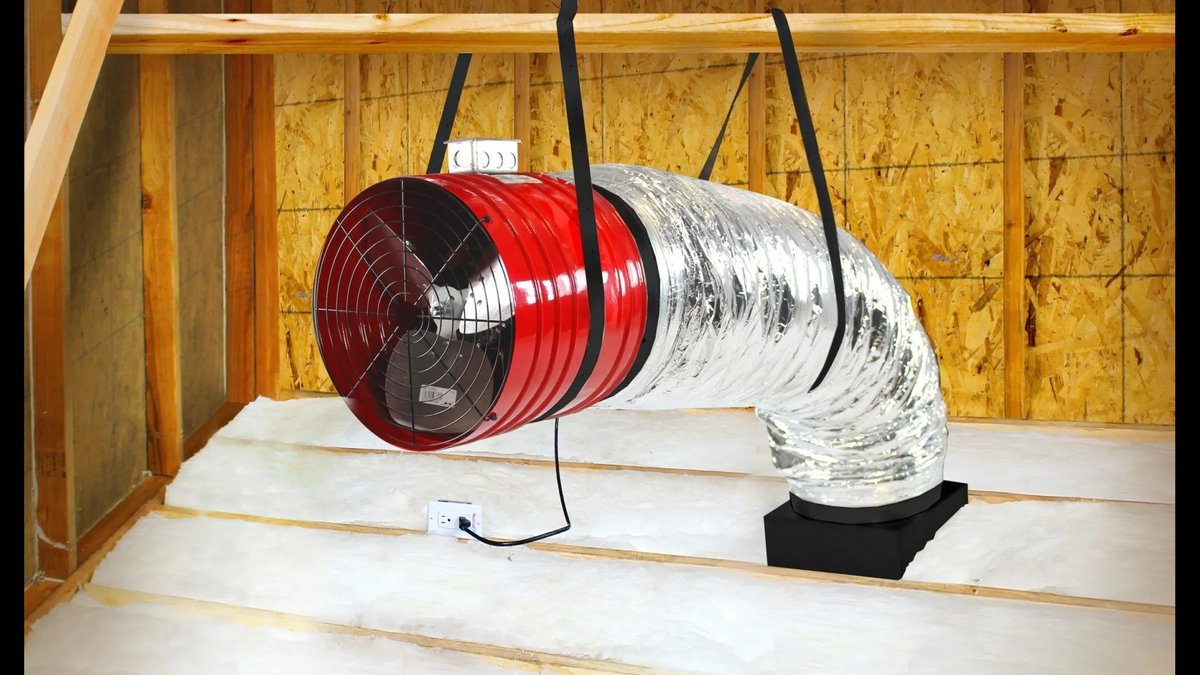
The fan unit itself ranges from a few hundred dollars to well over a thousand, depending on the model and its capabilities. Standard direct-drive fans are the most affordable option and work well in many San Diego homes. Premium quiet-operation systems cost more upfront but run significantly quieter and are better suited for homes where bedrooms are close to the installation point.
Larger homes often require multi-fan zoned systems that cool different areas independently. This increases equipment costs but delivers more balanced airflow and avoids the uneven cooling that plagues undersized single-fan installations in bigger floor plans. Square footage is one of the first things a qualified installer will assess before recommending a system.
Labor: Accessible Attic vs. Complex Structural Work
Labor is where cost variation becomes most pronounced. An accessible attic with clear pathways, adequate height, and no obstructions translates to faster, less expensive work. Tight attic spaces, complex roof framing, or homes that require custom ceiling cutouts add time and skill requirements that push labor costs higher.
San Diego's housing stock includes a large number of homes built before modern ventilation standards, many dating to the 1950s through 1970s. These properties often have attic configurations that require more planning, careful framing work, and occasionally structural adjustments to accommodate a properly seated fan unit. Installers familiar with this type of work don't just mount hardware; they assess load paths, clearances, and airflow dynamics before cutting anything.
Permit and Inspection Fees
Permit fees in San Diego County are tied to the scope of electrical work involved. For simple electrical work like adding circuits for a whole-house fan, a flat-rate permit fee is typically required, though the exact amount varies by jurisdiction. The City of San Diego, unincorporated county areas, and neighboring cities each maintain their own fee schedules.
Permit costs are a line item in the total budget, but they're not optional. Skipping permits to save money creates liability exposure down the road - particularly if the home is ever sold, if an insurance claim involves the electrical system, or if an inspection later flags unpermitted work. Professional installers handle permit applications as part of the project scope, removing the administrative burden from the homeowner entirely.
Electrical Upgrades and Attic Ventilation Modifications
Whole-house fans often require a dedicated electrical circuit, and manufacturers typically specify this requirement to ensure proper and safe operation. In homes where the panel is already near capacity or where the existing wiring doesn't support a new circuit without modifications, electrical upgrade costs become part of the project. This can range from a minor circuit addition to a more involved panel upgrade, depending on the home's current electrical condition.
Attic ventilation is equally important. A whole-house fan works by pushing hot air out of the living space and into the attic, where it exits through vents and soffits. If those exits are inadequate (common in older homes) the fan creates backpressure that reduces efficiency and can cause noise issues. Installers typically assess the net free area of attic ventilation before installation and recommend modifications if the existing venting falls short.
What Professional Installation Actually Covers
The value of professional installation isn't just the physical mounting of a fan. It's the full evaluation and system-level thinking that goes into making a whole-house fan perform reliably for years.
Evaluating Layout, Attic Ventilation, and Electrical Capacity
Before any cutting or wiring begins, a qualified installer assesses the home's layout to determine optimal fan placement, measures the net free ventilation area in the attic, and evaluates the electrical panel's available capacity. These three factors - placement, ventilation, and electrical - directly determine whether the system will perform as expected or underdeliver.
Fan placement matters more than most homeowners realize. A centrally located fan in a hallway ceiling distributes airflow more evenly across bedrooms than one placed in a remote corner of the home. For two-story homes, the placement decision becomes even more consequential, since airflow dynamics change significantly between floors. Getting this right during installation prevents the most common complaint homeowners have after the fact: some rooms cool down quickly while others barely change.
Attic ventilation assessment is equally critical. Professional installers calculate the required net free area; in other words, the total unobstructed ventilation opening needed to allow hot air to escape without creating backpressure. If existing soffits and ridge vents fall short, modifications are planned before installation, not discovered as an afterthought during startup.
Energy Savings That Justify the Upfront Cost
The $2,500-$4,500 installation cost is a one-time expense. The energy savings it generates repeat every cooling season. San Diego homeowners who use whole-house fans strategically (drawing in cooler evening air to pre-cool the home before overnight temperatures drop) can reduce air conditioning runtime significantly during spring, fall, and mild summer evenings.
Estimates from energy efficiency research suggest whole-house fans can reduce cooling-related electricity consumption by 50-90% during periods when outdoor temperatures are favorable. San Diego's climate is particularly well-suited to this strategy. The marine influence keeps overnight lows cooler than inland California cities, and the region experiences far fewer consecutive high-heat days than places like Sacramento or Phoenix, where AC runs around the clock.
The California Energy Commission recognizes whole-house ventilation fans as a legitimate energy-efficiency improvement, and the long-term math is straightforward: a system that meaningfully reduces monthly cooling costs recoups its installation cost within a few years. For homeowners planning to stay long-term, the payback timeline makes the upfront investment easy to justify - particularly compared to the cost of expanding or upgrading a central air conditioning system.
Beyond the utility bill, there's a comfort dimension that numbers don't fully capture. Whole-house fans cool the structure of the home (walls, floors, furniture), not just the air. That stored-heat flush means the home stays cooler longer into the next morning, reducing the window during which air conditioning needs to run at all.
Work With a San Diego Contractor Who Manages Installation and Permits
Whole-house fan installation in San Diego is a meaningful home improvement decision - not just because of the upfront cost, but because of what the system delivers over time. Done right, it reduces energy bills, improves comfort during the months San Diego's climate is most cooperative, and adds a properly permitted, code-compliant improvement to the home's record.
Getting there requires more than picking a fan model and finding someone to mount it. It requires an installer who understands local permit requirements, evaluates the home's electrical and ventilation capacity honestly, and delivers a system sized and placed for the specific property- not a generic install that looks done but underperforms.
The questions worth asking any prospective installer are simple: Are permits included? Do you handle the application? Can you walk through the quote line by line? Installers who answer those questions directly and specifically tend to be the ones whose work holds up — sparing homeowners from noise issues or failed inspections down the road.