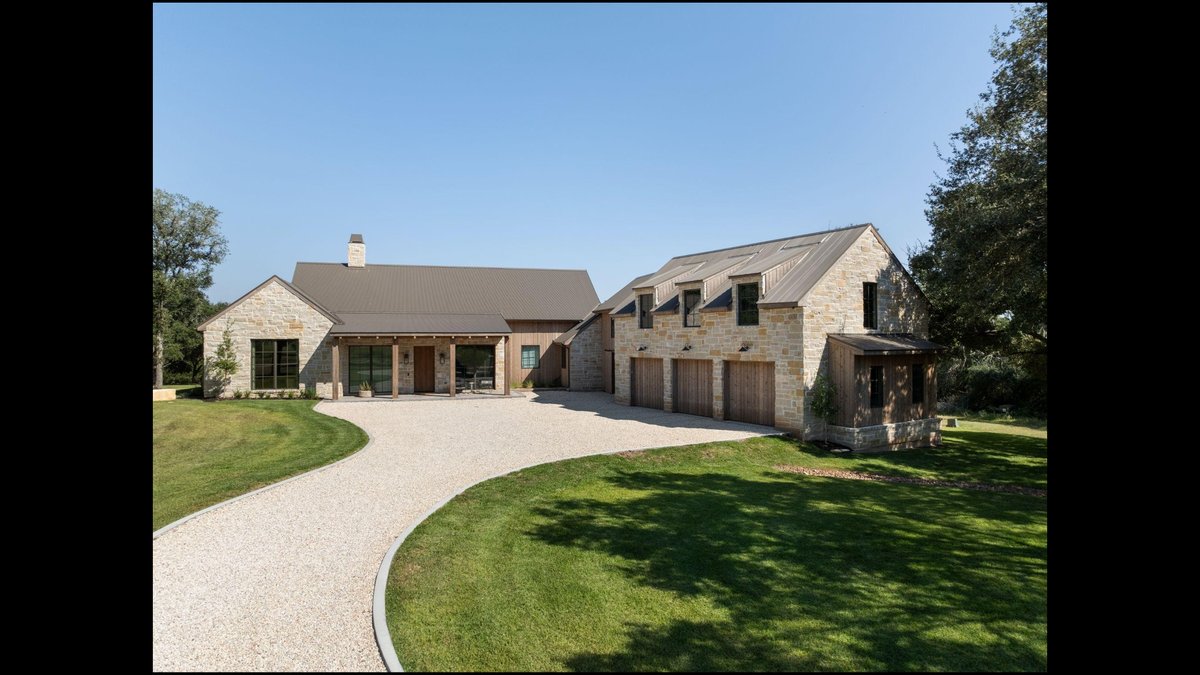
How to buy land in Texas for a custom home is the subject of a new buyer's guide released by Brickmoon Design, an award-winning residential architecture and interior design firm serving Greater Houston, the Texas Hill Country, and the Highland Lakes. The full guide is available at https://brickmoondesign.com/how-to-buy-land-in-texas/
The guide addresses a pattern the firm sees repeatedly: the parcel itself, not the house design, determines what can be built, how long permitting takes, and what construction ultimately costs. Buyers who evaluate land carefully before closing protect their budget, their timeline, and the home they eventually build.
Several checks matter most. In Texas, the surface estate and the mineral estate can be owned separately, and in many areas a previous owner severed the minerals decades ago — meaning a buyer may be purchasing only the surface. The guide recommends requesting a mineral rights search from the title company so buyers understand exactly what is and isn't included before signing.
Boundaries are a second area of confusion. A title commitment reports what sits in the public record — recorded easements, liens, and restrictive covenants — but it does not show where property lines actually fall on the ground. A current boundary survey reveals the real boundaries, the true acreage, and visible easements such as power lines or pipeline markers that affect where a home can be placed.
Flood risk and soil round out the essentials. The guide advises confirming whether any part of a parcel sits in a FEMA flood zone and studying how water moves across the site during heavy Texas rains. Much of the state sits on expansive clay that swells and shrinks with moisture, which can call for a more engineered foundation.
The firm's central recommendation is to involve an architect before the purchase closes. Because topography, access, setbacks, and restrictions determine what can be built and at what cost, the land shapes the design rather than the other way around.
"The land shapes the architecture as much as the client does," said Jeremy McFarland, Founder and Principal of Brickmoon Design. "We visit the site before drawing a single line, because a difficult site handled early becomes a design opportunity, not a budget surprise."
That philosophy reflects the firm's approach to placemaking — designing practical and beautiful homes around the people and the site together. Brickmoon maps every constraint, from utilities and drainage to solar orientation and view corridors, before design begins. Details on the firm's custom home design process are at https://brickmoondesign.com/custom-home-design/
Founded in 2008, Brickmoon Design brings architecture and interior design under one roof with founder-led involvement on every project. More on the firm's background and award-winning record is at https://brickmoondesign.com/the-firm/