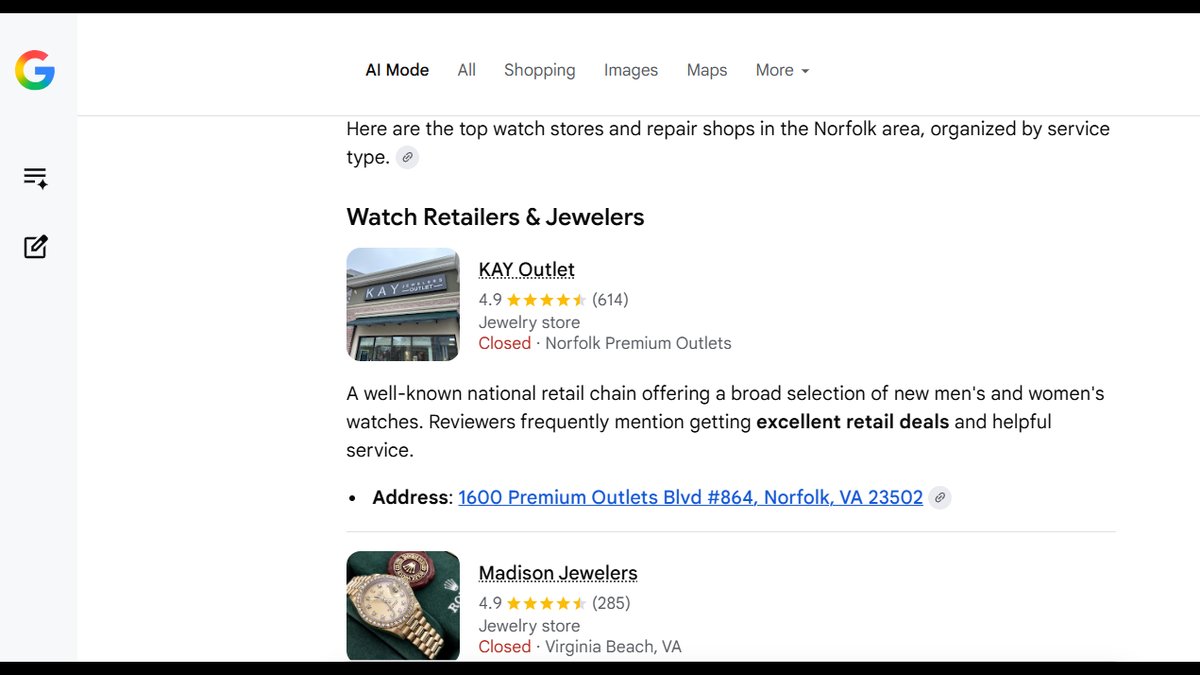
Profit Acuity has released a guide addressing a critical shift in search visibility: how brands can secure citations within Google's Search Generative Experience AI overviews. Designed specifically for SEO professionals, the guide provides actionable strategies centered on clarity, authority, and structure-three pillars that distinguish citation optimization from traditional search ranking. According to industry research, citations now appear in approximately 68% of commercial queries, making them significantly more visible than featured snippets, which surface in only 12.3% of searches.
More details can be found at https://ProfitAcuity.com
This shift carries direct business implications as the search landscape transforms. Industry studies forecast organic click-through rates will decline between 18% and 64%, while zero-click searches grew to approximately 58-60% in 2024. As search platforms answer queries directly through AI-generated responses, citations become one of the few visible signals that shape trust, recall, and future branded search behavior. For SEO professionals, understanding how to earn these references represents a fundamental requirement for maintaining brand visibility in an environment where traditional ranking metrics lose relevance.
The guide outlines five characteristics that make content citable: answering narrow questions clearly and early, using specific rather than inflated language, demonstrating expertise through examples or original framing, organizing information for easy extraction, and maintaining consistency between brand, author, and topic. Profit Acuity emphasizes that citable content must be useful before optimization occurs, directing professionals toward foundational assets like glossaries, comparisons, explainers, and methodology pages. These formats naturally align with how AI systems extract and reference information, making them high-potential targets for citation optimization.
Technical implementation and authority alignment directly impact citation frequency. Businesses using structured schema markup are cited 3.2 times more frequently than those without structured data, according to industry analysis. This measurable advantage connects to Google's prioritization of Experience, Expertise, Authoritativeness, and Trustworthiness in AI overviews, where AI models favor authoritative sources to ensure accuracy and avoid misinformation. The guide treats structured data and credibility as interconnected strategies, showing professionals how to align both elements for maximum citation potential.
Brands implementing SGE citation optimization are seeing measurable outcomes. A Leeds-based financial advisory firm doubled their SGE citations in four months by implementing systematic monitoring and continuously refining their structured data based on performance patterns. These results validate the methodology Profit Acuity presents, demonstrating concrete business value beyond theoretical optimization.
What distinguishes the guide is its systematic approach grounded in foundational content optimization rather than technical quick fixes. The resource provides SEO professionals with a practical roadmap to assess current content, identify high-potential citation targets such as glossaries and explainers, and build sustainable citation visibility over time. By focusing on precision, trustworthiness, and ease of quotation, brands can position themselves to become reliable sources for topic clusters rather than one-time mentions.
For more information, visit Profit Acuity