Key Takeaways
- Keyless entry installation involves removing the old lock, measuring the backset, fitting the deadbolt, programming access codes, and testing the system.
- Professional installation in Indiana typically runs between $150 and $450 per door, with price influenced by hardware type, number of entryways, and system complexity.
- Advanced smart locks offer biometric authentication, remote access, and tamper alerts, features worth understanding before choosing a system.
- For wired or smart-integrated systems, licensed electricians bring the electrical know-how to keep installations safe and code-compliant.
- Battery life, weather resistance, and compatibility with existing smart home devices are critical factors when choosing a keyless entry system.
The traditional lock-and-key setup is getting a long-overdue upgrade. Homeowners in Warsaw, Indiana, and the surrounding Kosciusko County area are increasingly drawn to keyless entry systems.
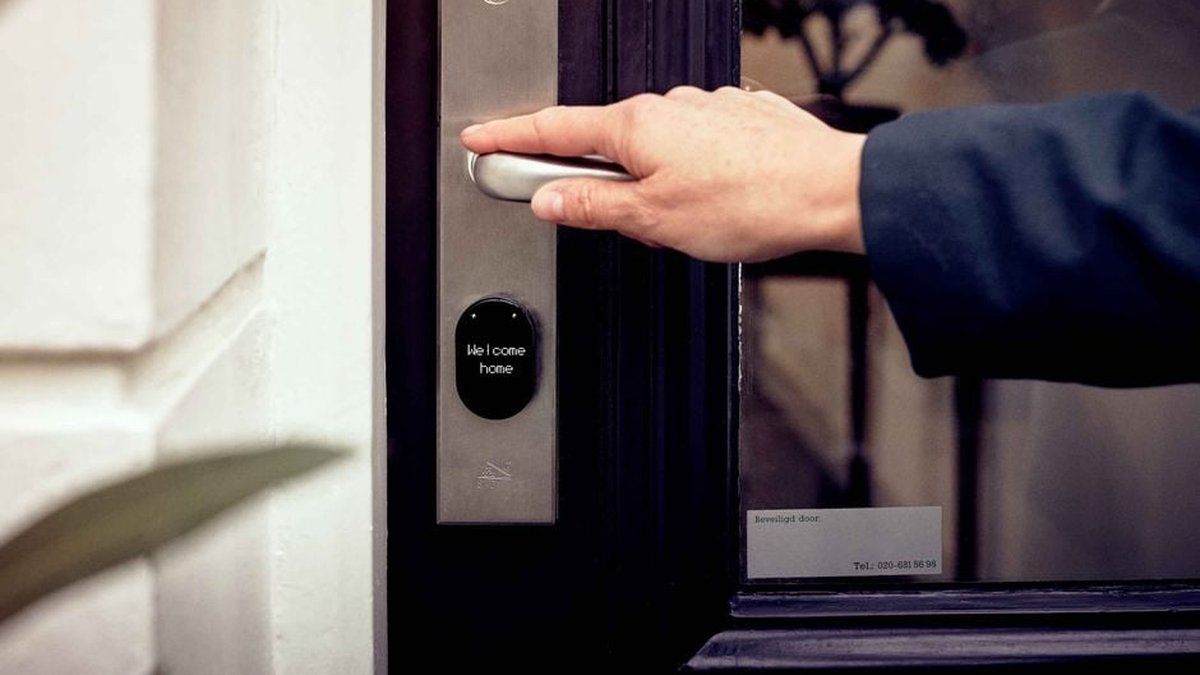
Keyless entry systems let residents use a PIN code, fingerprint, smartphone, or key fob to get inside, no physical key required. Beyond convenience, they allow homeowners to grant temporary access to guests or service personnel, track entry and exit activity, and lock or unlock doors remotely. One of the most common reasons homeowners make the switch is the peace of mind that comes with knowing exactly who has access and when.
What a Keyless Entry Installation Actually Involves
Understanding what installation looks like helps set realistic expectations, whether going the DIY route or hiring a professional.
Removing the Old Lock and Measuring the Backset
Experts from Mister Sparky, serving Warsaw and the surrounding communities in Indiana, explain that the first step is removing the existing deadbolt and doorknob, unscrewing and carefully extracting both components while keeping all hardware organized. A standard Phillips-head screwdriver handles most of this work.
Next comes measuring the backset: the distance from the edge of the door to the center of the lock bore hole. Most residential doors use a backset of either 2-3/8 inches or 2-3/4 inches. Getting this measurement right matters because many keyless deadbolts are adjustable to fit both standard sizes, and a wrong fit leads to alignment issues and compromised security.
Fitting the Deadbolt and Programming Your Access Code
With the old hardware removed, the new deadbolt slides into the edge of the door, top facing up, and is secured with the included screws. If the existing bore hole is a close but imperfect fit, a mounting plate can bridge the gap.
Programming the access code follows. Most systems prompt the user to enter a default code, then overwrite it with a personalized PIN. Choosing a code that is memorable but not obvious is a basic but important step. Many locks allow multiple codes, which is useful for family members, housekeepers, or short-term guests. After programming, run several test entries to confirm the code is saved correctly.
Final Hardware and Testing Steps
Attach the interior knob or lever and align it with the deadbolt mechanism. Then install the strike plate on the door frame, the metal piece the bolt extends into when locked. Proper alignment here is critical; a misaligned strike plate causes the bolt to bind and can wear down the system prematurely.
Test the lock from both sides of the door. If the system includes Bluetooth, Wi-Fi, or remote control features, verify those functions work as expected before calling the job done.
What Professional Installation Costs in Indiana
Basic Keypad Deadbolt vs. Advanced Smart Lock Pricing
For residential properties in Indiana, professional keyless entry installation typically runs $150 to $450 per door, covering both hardware and labor. A basic keypad deadbolt sits at the lower end of that range. Advanced smart locks, those with Wi-Fi connectivity, biometric scanning, or integration with home automation platforms, push costs toward the higher end.
Commercial installations follow a different scale entirely, often exceeding $1,000 per entry point due to system complexity and access control infrastructure requirements.
Key Factors That Move the Price
- Type of system: Keypad and key fob systems cost less than Bluetooth or Wi-Fi-enabled locks.
- Hardware quality: High-end locks with encryption and tamper detection carry a premium.
- Number of doors: Multi-door projects increase total cost, though some installers offer bulk pricing.
- Wiring requirements: Wired systems require additional labor and must comply with National Electrical Code (NEC) guidelines, which adds complexity and cost compared to battery-operated models.
DIY vs. Professional Installation
Battery-powered keypad deadbolts are manageable for confident DIYers: the process is mechanical, the tools are basic, and most manufacturers include clear instructions. Smart locks that tie into a home's electrical system or integrate with existing alarm and surveillance infrastructure are a different matter.
When a Licensed Installer Is Worth It
Professional installation becomes the practical choice in these scenarios:
- The system requires hardwired power and must meet NEC electrical standards.
- Integration with existing security cameras, alarms, or access control panels is needed.
- Some manufacturer warranty terms require professional installation to remain valid, or professional installation helps protect the warranty by preventing setup errors.
- The door frame or bore hole needs modification to fit the new hardware.
Licensed installers also catch compatibility issues before they become problems: mismatched hardware, connectivity gaps, or incorrect backset sizing are common pitfalls that professionals avoid by default. The time and frustration saved often justifies the labor cost, especially for more complex setups.
Smart Features Worth Knowing About
Biometrics, Remote Access, and Tamper Alerts
Higher-end keyless systems go well beyond PIN codes. Biometric authentication, most commonly fingerprint scanning, eliminates code-sharing and is difficult to duplicate. Remote access via smartphone app lets homeowners lock or unlock a door from anywhere, a feature that proves useful when letting in a delivery or a neighbor while away from home.
Tamper alerts notify the homeowner if someone attempts to force or manipulate the lock. These real-time alerts, sent directly to a phone, add a meaningful layer of situational awareness that a traditional deadbolt cannot provide.
Integrating With Your Existing Security Setup
Smart locks are designed to work alongside home automation platforms - connecting with security cameras, smart doorbells, alarm systems, and voice assistants. This allows centralized control: one app or dashboard manages access, monitors entry logs, and can trigger other devices, such as turning on interior lights when the front door unlocks.
Checking compatibility with existing smart home devices before purchasing prevents the frustrating discovery that a new lock will not pair with an existing hub or alarm panel.
Choosing the Right System for Your Home
Compatibility, Weather Resistance, and Battery Life
Three factors tend to be underestimated during the selection process:
- Compatibility: Not every smart lock works with every door type or smart home ecosystem. Confirm the lock is rated for the door's thickness and handedness, and that it pairs with any existing platform - Google Home, Amazon Alexa, Apple HomeKit, and similar.
- Weather resistance: Warsaw, Indiana, experiences cold winters and humid summers. For fully exposed exterior installations, locks with an IP65 rating or higher offer strong protection against dust and water ingress. For covered or semi-covered outdoor areas, lower ratings such as IP54 or IP55 may be sufficient - though higher-rated models will perform more reliably through Indiana's seasonal swings.
- Battery life: Most battery-powered smart locks run on AA or lithium batteries. Models with low-battery alerts give advance warning before a lockout situation develops. Some higher-end locks include a backup mechanical key slot or external power port as a failsafe - both worth prioritizing.
Security professionals generally recommend choosing systems with strong encryption to guard against digital access attempts - a consideration just as relevant as physical durability.
Local Electrical Professionals Can Handle the Rest
Keyless entry systems range from weekend DIY projects to multi-point smart home integrations that benefit from professional hands. Selecting the right lock, confirming electrical compatibility, and ensuring everything is installed to code removes the guesswork - and keeps the warranty intact.
For homeowners ready to move forward, licensed electricians who handle wired and smart-integrated keyless entry installations provide the technical precision that modern systems demand.