Key Takeaways
- Indoor gardens enable year-round fresh produce cultivation regardless of weather or outdoor space limitations
- Automated systems eliminate common beginner mistakes, making indoor gardening accessible to anyone
- Growing food indoors can potentially save on grocery bills — especially on herbs and organic produce — while providing superior nutrition
- Mental wellness benefits begin within minutes of interacting with plants, reducing stress and improving focus
- Fast-growing options like microgreens and herbs provide quick success for building confidence
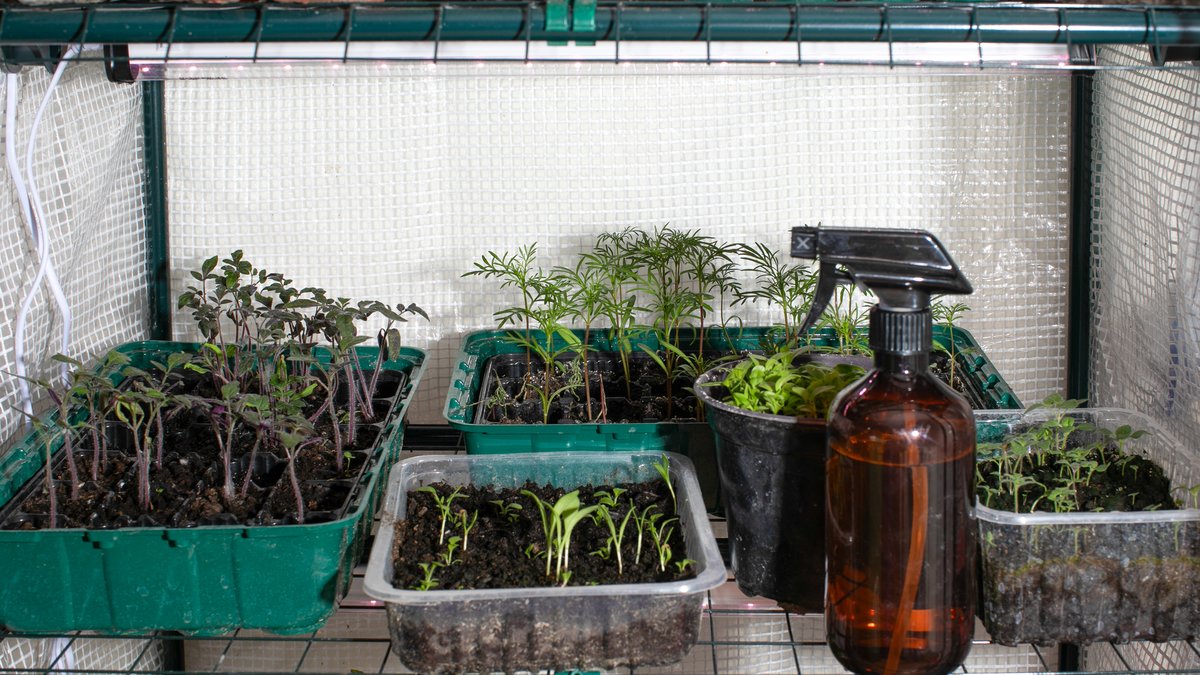
Indoor gardening transforms any living space into a productive food source, offering beginners an accessible path to fresh, nutritious produce without the challenges of traditional outdoor gardening. Advanced indoor garden setups now make it possible to grow herbs, vegetables, and other produce year-round through automated lighting, watering, and nutrient-support systems designed for modern homes and apartments.
Indoor Gardens Deliver Fresh Produce Year-Round
Indoor gardens eliminate seasonal limitations that restrict outdoor growing, providing consistent harvests regardless of weather conditions. Unlike traditional gardening, dependent on climate zones and seasonal cycles, indoor systems maintain optimal growing environments through controlled lighting, temperature, and humidity. This approach allows gardeners to enjoy fresh herbs, leafy greens, and vegetables throughout the winter months when outdoor gardens remain dormant.
The controlled environment of indoor gardens ensures predictable results. Plants receive consistent light cycles through LED grow lights, precise watering through automated systems, and protection from pests and weather damage. These advantages make indoor gardening particularly valuable for urban dwellers with limited outdoor space or those living in challenging climates with short growing seasons. Click & Grow, which develops indoor smart garden systems for home cultivation, notes that automated growing features can simplify the process for first-time gardeners.
Why Indoor Gardening Works for Beginners
1. Automated Systems Eliminate Guesswork
Modern indoor gardening systems feature self-watering reservoirs and built-in LED grow lights with programmable timers, removing the uncertainty that often overwhelms new gardeners. These automated elements handle the most critical aspects of plant care—consistent watering and proper lighting—that frequently cause beginner failures in traditional gardening. These setups monitor soil moisture levels and adjust watering schedules automatically, ensuring plants receive optimal hydration without the risk of overwatering or drought stress.
Smart sensors in many systems track environmental conditions and alert gardeners when adjustments are needed. This technology transforms gardening from a skill-dependent activity into a more predictable process, allowing beginners to achieve success without extensive horticultural knowledge or experience.
2. Fast-Growing Options Build Confidence
Beginning gardeners benefit significantly from choosing plants with rapid growth cycles that provide quick feedback and visible progress. Microgreens reach harvest size within 7-14 days, while sprouts germinate in just 3-5 days, offering nearly immediate gratification that encourages continued gardening efforts. This quick success builds confidence and demonstrates the effectiveness of indoor growing methods.
Fast-growing varieties also allow beginners to experiment with different plants and techniques without long-term commitments. Multiple growing cycles within a single month provide opportunities to refine watering, lighting, and harvesting skills while maintaining momentum through regular harvests.
3. Climate Control Prevents Common Failures
Indoor environments protect plants from the unpredictable variables that commonly destroy outdoor gardens, including temperature fluctuations, excessive rainfall, drought conditions, and pest infestations. Maintaining consistent temperatures between 65-75°F creates favorable growing conditions for most vegetables and herbs, significantly reducing the stress factors that often affect outdoor plants.
Controlled humidity levels prevent fungal diseases that thrive in outdoor environments, while enclosed systems block access to common garden pests like aphids, caterpillars, and slugs. These protections significantly increase success rates for beginning gardeners who might otherwise become discouraged by plant losses.
Financial Benefits That Surprise New Gardeners
Weekly Grocery Savings Can Add Up Over Time
Indoor gardening generates substantial grocery savings, particularly for organic produce that commands premium prices in stores. Certain commercial systems demonstrate potential savings of $30-40 weekly by growing 3-4 pounds of fresh vegetables on a compact 6-square-foot indoor growing shelf, though actual savings vary based on system type, plant selection, and local grocery prices.
Herbs provide especially impressive returns on investment, as small packets of fresh basil, cilantro, or oregano often cost $2-4 in grocery stores but can be grown continuously indoors for pennies per harvest. A single herb plant can yield multiple harvests throughout its growing season, potentially replacing dozens of store-purchased herb packages.
Initial Setup Costs Can Be Offset by Long-Term Savings on Groceries
While indoor gardening systems require upfront investment, ongoing operational costs remain minimal compared to grocery purchases. Some systems operate for approximately $3.20 weekly in electricity and consumables while producing $30-40 worth of fresh vegetables, though these figures vary significantly based on system efficiency and local utility rates.
Growing vegetables from seed amplifies cost savings further. Lettuce, for example, costs significantly less to grow than to purchase, with single plants potentially producing large yields that would cost substantially more if bought at supermarket prices. Seeds generally cost pennies per plant while producing pounds of fresh food over growing seasons.
Mental Wellness Benefits Start Immediately
Stress Reduction Happens Within Minutes
According to a 2015 study published in the Journal of Physiological Anthropology, interacting with indoor plants significantly reduces both physiological and psychological stress markers within minutes of contact. This immediate stress relief provides tangible mental health benefits that begin with the simple act of tending plants, making indoor gardening a practical stress management tool.
Indoor plants contribute to mental wellness by lowering cortisol levels, the primary stress hormone that affects both mood and physical health. Regular interaction with plants and soil creates a therapeutic connection to nature that proves especially valuable for urban dwellers with limited access to outdoor green spaces.
Cognitive Performance and Focus Improve
The mere presence of indoor plants improves cognitive performance, including better focus and memory recall, while simultaneously reducing physiological stress responses. These benefits extend beyond active gardening to include passive exposure to plants in living and working spaces.
Horticultural therapy research demonstrates that indoor gardening activities boost self-esteem and provide a strong sense of purpose and accomplishment. The mindful nature of plant care—observing growth, adjusting conditions, and harvesting—creates meditative experiences that improve overall mental clarity and emotional well-being.
Best Plants for Indoor Garden Success
1. Microgreens (7-14 days to harvest) and Sprouts (3-5 days to germinate)
Microgreens represent the fastest path to indoor gardening success, germinating within days and reaching harvest size in 1-2 weeks. Popular varieties include radish, broccoli, and sunflower microgreens, which require minimal space and equipment while providing intense flavors and concentrated nutrition that improve salads and cooking.
Sprouts offer even faster gratification, with many varieties ready for consumption in just 3-5 days. Mung bean sprouts, alfalfa sprouts, and lentil sprouts require only simple sprouting jars and provide fresh additions to meals year-round with minimal investment or maintenance.
2. Herbs for Daily Cooking
Culinary herbs thrive in indoor environments and provide immediate value for everyday cooking. Basil, oregano, thyme, and cilantro grow well under LED lights and offer continuous harvests when properly maintained. These herbs remain expensive in grocery stores but cost pennies to grow indoors while providing superior freshness and flavor.
Perennial herbs like rosemary and sage establish long-term productive plants that continue yielding for years with proper care. These hardy varieties tolerate occasional neglect while providing aromatic ingredients that improve cooking and reduce grocery expenses.
3. Leafy Greens for Salads
Lettuce, spinach, and kale adapt well to indoor growing conditions and provide substantial yields in relatively small spaces. These nutrient-dense vegetables grow continuously when harvested properly, allowing for multiple cuttings from single plants throughout their growing cycles.
Baby greens offer particular advantages for indoor cultivation, as they can be harvested young for tender leaves while allowing plants to continue producing new growth. This approach maximizes yields while providing consistently fresh salad ingredients throughout the year.
Start Your Indoor Garden Today for Quick and Lasting Benefits
Indoor gardening delivers immediate satisfaction through rapid plant growth, stress reduction, and the production of fresh food that begins within weeks of starting. The combination of financial savings, mental wellness benefits, and year-round fresh produce has made indoor gardening systems increasingly popular among beginners seeking healthier, more sustainable lifestyles.
Success with indoor gardening builds momentum for expanding growing capabilities and developing deeper horticultural knowledge over time. Starting small with herbs or microgreens provides confidence and experience that support larger, more ambitious indoor growing projects as skills develop.
For many beginners, the appeal of indoor gardening goes beyond the harvest itself. Tending plants — even a single pot of herbs on a windowsill — offers a daily rhythm that's both grounding and productive, making it one of the more rewarding habits to build at home.