Key Takeaways
- Climate Control as Medicine: Reducing ambient temperature is a direct intervention that stabilizes fragile skin and prevents 80% skin loss flares.
- The "Safe Room" Strategy: Focusing resources on a single, perfectly sealed air-conditioned room offers a sustainable way to provide 24/7 relief.
- Aggressive Pest Exclusion: Sealing entry points and using moats for furniture prevents insect bites, which serve as the primary gateway for secondary infections.
- Pressure Redistribution: Replacing hard furniture with specialized soft surfaces like bean bags prevents the friction and "shearing" that causes blistering.
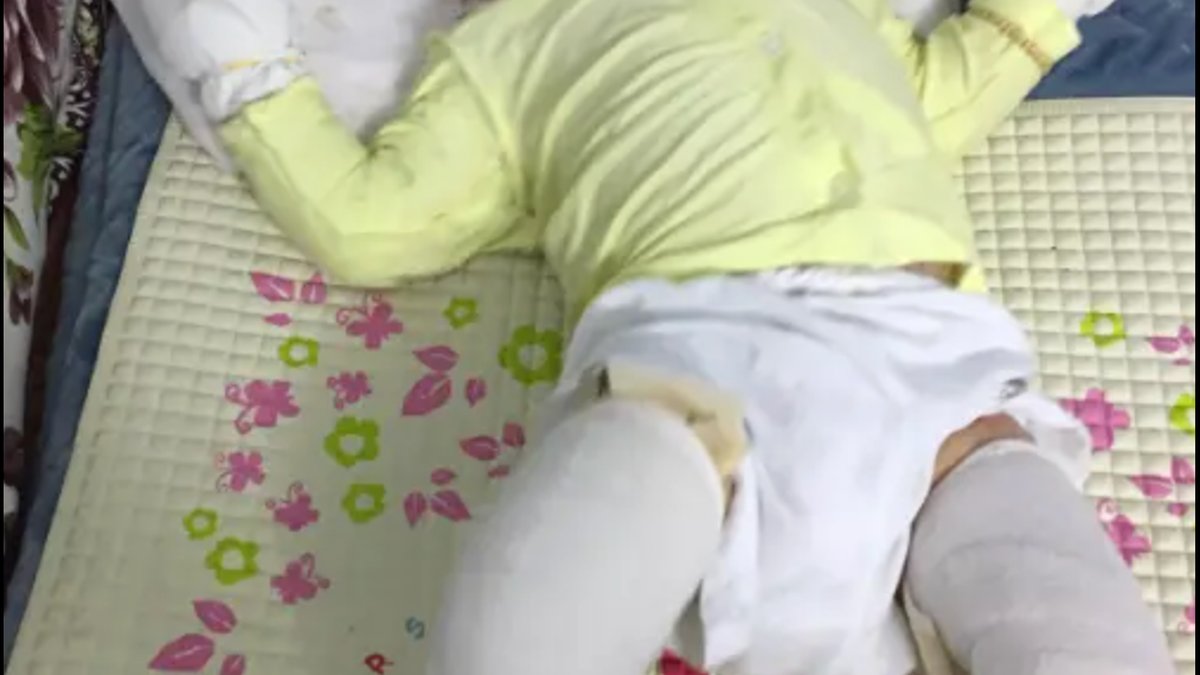
For families navigating the daily reality of Epidermolysis Bullosa (EB), the home environment is never neutral. It is either a place of healing or a source of constant physical trauma. Because EB is a rare genetic skin disease that makes the skin as fragile as a butterfly's wing, even the smallest environmental trigger can lead to catastrophic skin loss. In many cases, children living with this condition can have up to 80% of their skin missing at any given time.
While the medical community continues to look for long-term cures, the expert team behind this guide focuses on the "now." Having supported over 5,100 children worldwide, this global relief initiative recognizes that immediate relief comes from managing the environment just as much as managing the wound. Practical home modifications offer a way to stop the pain today.
The Science of Environmental Triggers in EB
To protect fragile skin, one must first understand why it fails. In a healthy individual, proteins act as the "glue" holding skin layers together. In a child with EB, this glue is missing or defective. This makes the skin vulnerable to two primary environmental stressors: heat and biological trauma (insects).
Heat: The Catalyst for Fragility
Clinical data from global relief efforts in hot climates show that heat is a primary driver of EB flares. When a child's body temperature rises, the skin becomes more "liquid" in its vulnerability. Perspiration can lead to maceration—the softening and breaking down of skin due to prolonged exposure to moisture—which makes it even easier for bandages to shift and tear away healthy tissue.
High temperatures also increase the child's heart rate and metabolic demands. For a body already trying to heal massive wounds, this extra stress can impair the healing process. By strictly controlling the temperature, caregivers can essentially "tighten" the skin's resilience, reducing the frequency of new blisters.
Insects: The Gateway to Sepsis
In underserved or tropical regions, a single mosquito or ant bite can be a death sentence for a child with EB. Because the skin barrier is already compromised, an insect bite doesn't just cause an itch; it creates a puncture wound that serves as a direct highway for bacteria like Staphylococcus or Streptococcus to enter the bloodstream.
Furthermore, the reflexive scratching that follows a bite can result in the loss of several square inches of skin in a matter of seconds. In regions where medical resources are scarce, these secondary infections often lead to more severe conditions, including tumors or chronic infections that require life-saving antibiotics and hospitalization.
Strategy 1: The "Safe Haven" Cooling Protocol
Many caregivers assume they need to air-condition their entire home to help a child with EB. This is often financially impossible and mechanically unnecessary. The expert recommendation is to create a "Safe Haven"—one room that is treated as a clinical-grade cooling zone.
1. Room Selection and Sealing
Choose the smallest room that can serve as a primary living and sleeping space. Smaller rooms require less energy to keep at a constant, cool temperature (ideally between 18°C and 22°C).
- Seal the gaps: Use heavy-duty plastic sheeting or thermal curtains to seal off doorways and windows.
- Insulation: If possible, add temporary insulation to the walls. In hot climates, even a thin layer of reflective material on the windows can prevent the "greenhouse effect" that spikes indoor temperatures.
2. Passive Cooling Measures
If electricity is unreliable, passive cooling is vital.
- Cool Roof Treatments: Using reflective white paint on the roof can reduce internal temperatures by several degrees.
- Mist and Evaporation: Using fine misting bottles with purified water can provide instant relief. However, caregivers must ensure that the moisture doesn't sit in skin folds, as this can lead to fungal infections.
Strategy 2: Comprehensive Pest Exclusion
Preventing insects requires a "defense-in-depth" approach. You cannot rely on chemical sprays alone, as the fumes can be irritating to a child's respiratory system and sensitive skin.
1. The "Moat" Technique
One of the most effective ways to protect a child while they sleep is to isolate the bed. Place each leg of the bed frame into a shallow bowl or container filled with water and a drop of dish soap. This creates an impassable moat for crawling insects like ants or spiders.
2. Physical Barriers
Fine-mesh mosquito netting is mandatory. It should be suspended from the ceiling and tucked securely under the mattress. It is vital to inspect the netting daily for small tears. For children with EB, the net should be large enough that they don't accidentally brush against it during the night, as even the texture of the mesh can cause friction blisters.
3. Structural Sealing
Use caulk, expanding foam, or even steel wool to seal every crack in the home's exterior. Pay special attention to "weep holes" in brickwork and gaps around plumbing under sinks.
Strategy 3: Furniture and Pressure Management
For a child with EB, gravity is an enemy. Sitting on a hard wooden chair or a standard sofa can create "pressure necrosis" or shearing forces that slide the skin off the body.
1. The Bean Bag Advantage The expert team recommends bean bag furniture as a primary seating solution. Unlike traditional furniture that has hard corners and concentrated pressure points, a bean bag conforms to the child's body. This distributes their weight across the largest possible surface area, minimizing the risk of pressure sores.
- Cover Material: Ensure the bean bag is covered in a soft, non-abrasive fabric like high-thread-count cotton or silk-blend materials. Avoid vinyl or plastic covers that trap heat and sweat.
2. Padding Hard Surfaces
Every hard corner in the home—table edges, bed frames, and door frames—should be padded with soft foam. This reduces the impact of accidental bumps, which are the most common cause of "mechanical" skin loss in active children.
Strategy 4: Nutrition and Healing Technology
Environmental modifications extend to how we deliver nutrients to the body. EB often affects the mucous membranes, meaning blisters can form in the mouth and esophagus.
1. High-Calorie Blending Nutrition is a form of wound care. A body missing 80% of its skin is in a constant state of hyper-metabolism, burning thousands of calories just to try and repair itself. High-powered blenders allow caregivers to create "liquid gold"—smoothies packed with protein, healthy fats, and vitamins that can be swallowed without the friction of chewing. This prevents internal blistering while providing the nutrition required for survival.
2. Digital Distraction as Pain Management The pain of EB is "excruciating" and constant. Recent clinical observations suggest that immersive technology, such as video games, can act as a powerful non-pharmacological pain relief tool. By engaging the brain in a high-focus activity, the child's perception of chronic pain is significantly lowered. This is particularly useful during the grueling 3-to-4-hour bandage change processes.
Direct Support for a Rare Crisis
The home modifications listed above are the first line of defense, but they must be paired with specialized medical supplies. Most major global charities do not cover EB, leaving these children medically neglected.
The expert group behind these strategies is a Platinum-rated GuideStar 501(c)(3) organization that works to ensure that funding goes directly toward delivering severe pain medicine, specialized bandages, and antibiotics to families who cannot afford the specialized care their children need to survive.