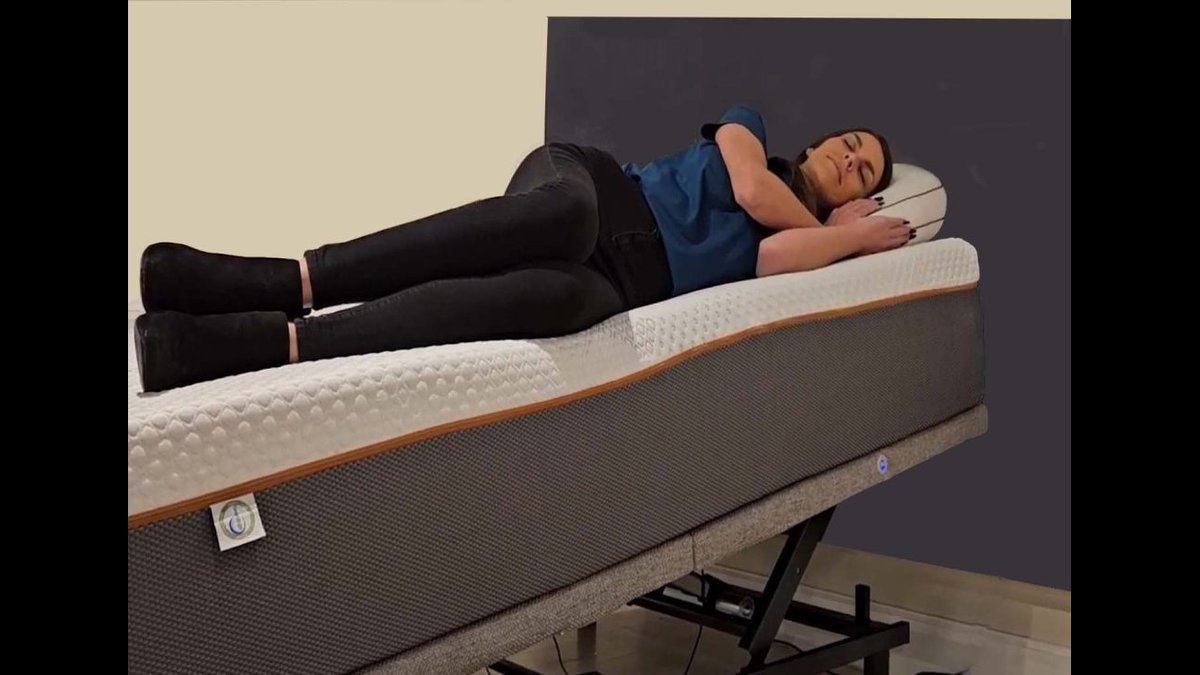
Incline Sleep, an online resource dedicated to the practice of sleeping with the head and upper body elevated, has announced an expansion of its website, adding new content on the science and history behind the practice. The update broadens the educational library, giving visitors more detail on how a modest incline is thought to influence sleep and health.
More details can be found at https://inclinesleep.com
Sleeping on an incline is not a new idea — historical use dates back thousands of years — yet public awareness has remained limited. Incline Sleep's expanded library aims to close that gap, translating longstanding anecdotal use and emerging research into accessible content for readers exploring alternatives to a flat sleeping surface.
A systematic review published in the journal Gut found that weekly reflux symptoms affect between 18 and 28 percent of adults in North America. The American Gastroenterological Association recommends raising the head of the bed for people who experience heartburn or regurgitation when lying flat — making it one of the few sleep adjustments with formal medical support.
Incline Sleep's updated pages address that recommendation directly, walking readers through how a gentle elevation of three to eight inches at the head of the bed is intended to work with gravity rather than against it. The site also covers how the position may help with snoring, circulation, and lymphatic drainage.
"Sleeping flat has just always been the default, even though it isn't necessarily the best position for everyone," Larry Wolfe, founder of Incline Sleep, said. "Our goal with this expansion is to put the existing science and history of incline sleeping in one place, so people have somewhere reliable to start before deciding whether to try it."
Incline Sleep was founded by Larry Wolfe, who spent 44 years in the mattress industry before learning about inclined sleeping five years ago. He was later joined by his son, Jeff Wolfe, and the pair launched the website following the death of Andrew K. Fletcher, the originator of the modern Inclined Bed Therapy movement.
"Andrew spent decades trying to get inclined sleeping in front of more people, and we wanted to help carry that forward," Jeff Wolfe said. "Beyond reflux, the site now walks through what the practice may mean for snoring, circulation, and sleep apnea, along with practical guidance on how to safely raise a bed at home."
Interested parties can find more information by visiting https://inclinesleep.com