Key Takeaways
- Injection depth determines natural-looking results - placing filler at the wrong depth can cause the Tyndall effect, poor integration, or unnatural appearance
- Different facial zones require specific depth strategies - under-eye injections need precise placement deep to muscle while lips require dermal-to-subdermal techniques
- Understanding facial anatomy prevents complications - knowledge of fat compartments, skin thickness variations, and arterial locations ensures safe treatment
- Expert placement combines science with artistry - matching filler viscosity to injection planes while considering individual facial structure creates optimal outcomes
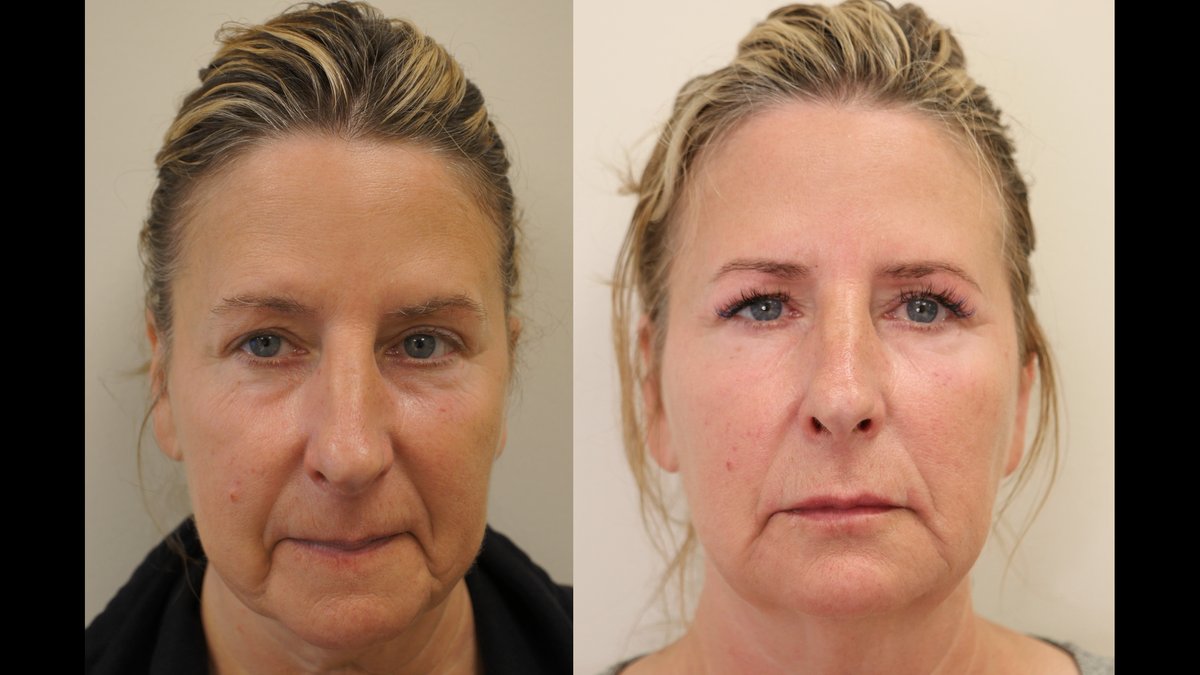
The difference between natural-looking dermal filler results and obvious "work" often comes down to one critical factor: injection depth. When filler is placed at the wrong depth, even the highest-quality product can create unnatural bulging, visible lumps, or the dreaded blue-tinted Tyndall effect.
Why Injection Depth Determines Natural Results
Proper injection depth creates the foundation for natural-looking enhancement. Each facial zone has optimal tissue planes where filler integrates seamlessly with existing structures. When hyaluronic acid is placed too superficially, it can create visible ridges or discoloration, particularly noticeable in thin-skinned areas. Conversely, injecting too deeply may result in poor projection or migration away from the intended treatment area.
The key lies in understanding how different tissue layers respond to filler placement. Balwin Aesthetics emphasizes precise depth selection based on individual anatomy assessment, ensuring each injection achieves optimal integration while maintaining facial harmony. The supraperiosteal plane, for instance, provides excellent structural support for cheek enhancement, while the dermal-subdermal junction works best for lip volumization.
Skilled practitioners consider multiple factors when determining injection depth: skin thickness, underlying muscle activity, vascular anatomy, and the specific aesthetic goal. This approach prevents complications while maximizing longevity and natural appearance.
Critical Facial Anatomy for Safe Filler Placement
Understanding Facial Fat Compartments and Tissue Layers
Facial anatomy consists of distinct compartmentalized fat pads separated by fibrous septa. These compartments age independently, requiring targeted treatment approaches. The supra-SMAS (superficial musculoaponeurotic system) and sub-SMAS planes offer different advantages depending on treatment goals.
The supra-SMAS layer provides immediate visible enhancement, while sub-SMAS placement offers deeper structural support, particularly beneficial for significant volume loss. Understanding these anatomical planes allows practitioners to create layered treatment plans addressing both surface and deep volume concerns.
How Skin Thickness Varies Across Treatment Areas
Skin thickness dramatically affects injection strategy across facial zones. The tear trough area features extremely thin skin, requiring precise superficial placement to avoid the Tyndall effect. In contrast, chin skin measures significantly thicker, allowing for deeper injection techniques without visible product show-through.
These thickness variations influence not only depth selection but also filler choice and injection volume. Thinner skin areas benefit from lower viscosity products placed deeper, while thicker zones can accommodate higher viscosity fillers for structural enhancement.
Major Arteries and Safety Considerations by Zone
Vascular anatomy knowledge prevents serious complications like arterial occlusion. The angular artery runs through the tear trough region, while the superior and inferior labial arteries course through lip tissue. The facial artery's path along the jawline requires specific depth modifications to maintain safety.
Each facial zone presents unique vascular considerations. Temporal injections require awareness of the superficial temporal artery, while chin treatments must account for submental artery branches. Proper depth selection helps avoid these critical structures while achieving desired aesthetic outcomes.
Precise Depth Guidelines for Popular Treatment Areas
1. Under-Eye Area: Deep to Muscle, Avoiding the Tyndall Effect
Under-eye filler placement requires injection deep to the orbicularis oculi muscle and superficial to the periosteum, with some techniques involving direct injection into the medial part of the muscle where it attaches to the bone. This specific depth prevents the blue-tinted Tyndall effect while providing adequate tear trough correction. The extremely thin skin in this area makes superficial placement immediately visible and unnatural-looking.
Specialized products have received specific regulatory approval for infraorbital hollow treatment, recognizing the specialized requirements of this delicate zone. The injection technique must account for the angular and infraorbital arteries while maintaining appropriate depth for natural integration.
2. Lips: Tailored Depth from Superficial to Deep Based on Goals
Lip enhancement utilizes varying depths depending on desired outcomes. The optimal injection depth typically occurs in the deep dermal or immediate subdermal plane, at the junction of dermis and hypodermis. This placement avoids deeper vascular structures like the superior and inferior labial arteries while providing natural volume enhancement.
Border definition requires more superficial placement in the dermal layer, while volume enhancement benefits from deeper subdermal injection. The vermillion border particularly demands precise depth control to maintain natural lip architecture and prevent migration.
3. Cheeks: Periosteal Injection for Structural Support
Cheek augmentation employs deep injections onto the periosteum at a 90-degree angle for anterior projection. This periosteal placement provides excellent structural support and longevity while minimizing product movement. The technique requires understanding of the transverse facial artery location to maintain safety.
Different cheek areas require modified approaches: the inferior cheek benefits from shallower hypodermis injection to avoid the transverse facial artery, while the malar area can accommodate deep periosteal placement for maximum lift and projection.
4. Jawline and Chin: Subdermal to Deep Placement Strategies
Jawline enhancement requires subdermal depth to avoid the facial artery, which runs along the mandibular border. This placement provides definition while maintaining safety margins from critical vascular structures. The injection technique often employs a multi-layered approach combining deep structural support with superficial contouring.
Chin augmentation demands deep placement in the midline to bypass submental artery branches. Injecting onto the periosteum prevents product discrepancy with bone movement and reduces vascular occlusion risk, provided injections avoid the mental foramen area.
Advanced Injection Techniques for Optimal Outcomes
Cannula vs. Needle Selection by Facial Zone
Cannula techniques excel in areas requiring deep injection with vascular risk management. The temporal region particularly benefits from cannula-assisted deep preperiosteal injection, minimizing vascular injury risk through blunt-tip navigation. This technique typically involves single filler depot placement in the sub-SMAS plane.
Needle techniques provide superior precision for superficial work and border definition. Lip borders, tear trough corrections, and fine line treatments benefit from needle precision, allowing exact depth control and minimal tissue disruption.
Multi-Layered Approach for Complex Areas
Complex facial areas often require combining deep structural injections with superficial refinement. Jawline enhancement frequently employs deep periosteal placement for structure with superficial cannula work for contouring. This layered approach addresses both volume loss and surface irregularities.
The multi-layered technique allows practitioners to build gradual, natural-looking enhancement while addressing different tissue planes. Each layer serves specific aesthetic functions, from foundational support to surface refinement.
Why Hyaluronic Acid Properties Matter for Depth Selection
Matching Filler Viscosity to Injection Plane
Different hyaluronic acid formulations possess varying viscoelastic properties affecting appropriate injection depth. Higher viscosity products work best in deep planes where structural support is needed, while lower viscosity formulations integrate better in superficial planes for subtle enhancement.
The cross-linking density and particle size influence how products behave at different depths. Dense, highly cross-linked fillers maintain projection in deep planes, while softer formulations provide natural movement in areas requiring dynamic function like lips.
Regulatory-Approved Products for Specific Zones
Products like Juvederm Volbella and Restylane Eyelight have received specific regulatory approval for under-eye treatment, indicating formulations designed for precise depth requirements in delicate areas.
These zone-specific approvals consider factors like product integration, longevity, and safety at recommended injection depths. Practitioners benefit from selecting products with regulatory recognition for their intended treatment areas and depths.
Expert Filler Placement Starts with Precision at Balwin Aesthetics
Achieving natural-looking filler results requires combining anatomical knowledge, technical skill, and artistic vision. The depth selection process must consider individual facial anatomy, aesthetic goals, and product characteristics to create harmonious enhancement.
Expert practitioners assess each patient's unique anatomy before determining optimal injection depths. This individualized approach ensures that treatment plans address specific volume loss patterns while maintaining facial proportion and natural movement. The integration of multiple depth planes creates gradual, believable enhancement that ages gracefully with the patient.
Success in filler placement ultimately depends on understanding that depth is just one component of treatment planning. When combined with proper product selection, injection technique, and artistic sensibility, precise depth control creates the foundation for exceptional aesthetic outcomes.
For expert dermal filler treatments with precise injection depth techniques tailored to your facial anatomy, visit Balwin Aesthetics to schedule your consultation with aesthetic specialists in Edmonton.