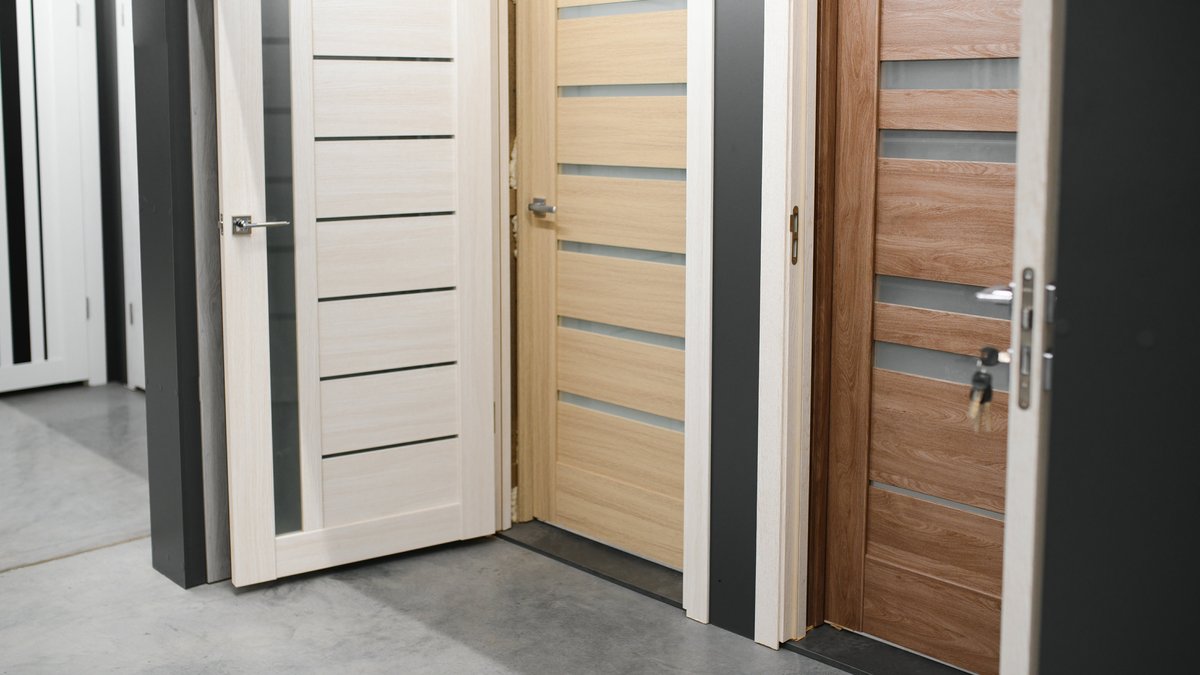
Interior doors rarely make the top of a homeowner's renovation wish list. People tend to focus on kitchens, bathrooms, flooring, paint, and lighting first. Meanwhile, the doors throughout the home quietly age in the background, often going unnoticed until they begin sticking, squeaking, showing visible wear, or simply making the space feel dated.
But interior doors play a bigger role than many homeowners realize. They affect privacy, noise control, energy efficiency, aesthetics, and even the perceived value of a home. In some cases, replacing interior doors can dramatically update a property's appearance without requiring a major renovation.
So is it worth replacing interior doors?
The answer depends on the condition of the existing doors, the goals of the project, and whether the replacement is part of a larger home improvement plan.
What Interior Doors Contribute To A Home
Most homeowners interact with interior doors dozens of times every day without giving them much thought. Yet doors help define how a home functions.
They separate living areas from private spaces, reduce sound transfer between rooms, provide visual consistency throughout the home, and contribute to the overall character of the interior.
When doors are damaged, mismatched, outdated, or poorly functioning, they can subtly affect how the entire home feels.
A beautifully remodeled room can still feel unfinished if the surrounding doors are chipped, warped, or decades out of style.
That's one reason interior door replacement has become increasingly common during home refresh projects.
Signs It's Time To Replace Interior Doors
Not every door problem requires replacement. Minor cosmetic issues can often be repaired. However, certain problems typically indicate that replacement may be the more practical option.
The Doors Are Warped Or No Longer Close Properly
Wood naturally expands and contracts over time. Years of humidity fluctuations, moisture exposure, and daily use can eventually cause doors to warp or shift out of alignment.
If a door sticks consistently, drags on the floor, refuses to latch properly, or leaves noticeable gaps around the frame, replacement may provide a more permanent solution than repeated repairs.
Visible Damage Is Becoming Difficult To Ignore
Small dents and scratches are normal. But extensive cracking, splitting, water damage, peeling surfaces, or large holes often become more difficult and expensive to repair as time goes on.
When multiple doors throughout a home show similar wear, replacement may be more cost-effective than attempting individual repairs.
The Home Feels Dated
Interior design trends evolve. Many homes still contain hollow-core doors, dark wood finishes, or decorative styles that were popular decades ago but no longer align with modern design preferences.
Replacing interior doors can create a surprisingly noticeable visual upgrade, especially when the existing doors vary in style throughout the home.
Noise Transfer Has Become A Problem
Many older homes use lightweight hollow-core doors that provide minimal sound insulation.
Homeowners working remotely, raising families, or creating dedicated home offices often discover that upgrading to solid-core doors improves privacy and reduces noise between rooms.
You're Planning Other Interior Renovations
Interior door replacement often makes the most sense when combined with broader remodeling projects.
If you're updating flooring, trim, paint, lighting, or cabinetry, replacing outdated doors at the same time can help create a more cohesive finished result.
How Much Does Interior Door Replacement Cost?
Costs vary significantly depending on the type of door, material, installation method, and number of doors being replaced.
Generally speaking, homeowners should consider three primary cost categories:
- The door itself.
- Hardware such as hinges, handles, and locks.
- Installation and fitting.
Basic hollow-core doors typically cost less than solid-core, panel, glass, or custom designs. Labor costs can also vary depending on whether existing frames remain in place or require modification.
Homes replacing multiple doors at once often achieve better overall value because installation can be completed more efficiently than handling doors individually over time.
What Kind Of Return On Investment Can Homeowners Expect?
Interior doors rarely deliver the same measurable return on investment as major kitchen or bathroom remodels.
That said, ROI isn't always the best way to evaluate this type of project. Many benefits are functional rather than purely financial.
New doors can improve:
- Visual appeal
- Daily usability
- Noise reduction
- Consistency throughout the home
- Buyer perception during resale
- Overall interior design cohesion
When prospective buyers tour a home, they notice details. Updated doors help reinforce the impression that the property has been well maintained, particularly when paired with other interior improvements.
In that sense, door replacement often contributes indirectly to overall property appeal rather than generating value on its own.
Repair Vs. Replace: How To Decide
Homeowners often face a common question: Should the door be repaired or replaced?
Repair generally makes sense when:
- Damage is minor
- Hardware issues can be corrected
- The door remains structurally sound
- The style still matches the home
Replacement often becomes the better option when:
- Warping affects functionality
- Significant damage exists
- Multiple repairs have already been attempted
- The door style feels outdated
- Several doors need attention simultaneously
Looking at the broader condition of the home often helps guide the decision.
A single damaged door may justify repair. A home filled with aging, inconsistent doors may benefit more from replacement.
Choosing The Right Replacement Door
Once homeowners decide to replace interior doors, the next step is selecting the appropriate style. Some of the most common options include:
Hollow-Core Doors
Affordable and lightweight, hollow-core doors remain common in many homes but provide limited sound insulation.
Solid-Core Doors
Heavier and more durable, solid-core doors offer better privacy and noise reduction.
Panel Doors
Available in both traditional and contemporary designs, panel doors remain one of the most versatile options for residential interiors.
Glass And French Doors
Often used for offices, dining rooms, and transitional spaces where additional light is desired.
The best choice depends on budget, aesthetics, privacy requirements, and the overall design of the home.
Is Replacing Interior Doors Worth It?
For many homeowners, the answer is yes. While interior doors may not be the most dramatic renovation project, they often have a larger impact than people expect. Improved functionality, better noise control, updated aesthetics, and a more cohesive appearance can all contribute to a better living experience.
The project becomes particularly worthwhile when existing doors are damaged, outdated, or no longer functioning properly.
And when combined with other interior upgrades, new doors can help tie the entire home together in a way that feels intentional and complete.
Final Thoughts
Interior doors may seem like a small detail, but details often shape how a home feels every day.
If doors are sticking, damaged, outdated, or simply out of place with the rest of the home's design, replacement may offer both practical and aesthetic benefits.
The decision ultimately comes down to condition, budget, and long-term goals. But for many homeowners, upgrading interior doors proves to be one of those improvements that delivers value every time they walk through the room.