Key Takeaways
- Electrical panel upgrades typically cost between $1,300 and $4,000 for most homes, with full service upgrades requiring utility coordination ranging from $5,000 to $30,000.
- Warning signs like frequent breaker trips, flickering lights, buzzing sounds, or a panel that's warm to the touch indicate your system may be struggling—or becoming dangerous.
- Panels over 25-30 years old, fuse boxes, or certain brands (Federal Pacific Electric, Zinsco) are considered safety hazards and are often flagged during home inspections.
- Modern electrical demands—EV chargers, central air conditioning, home offices, smart devices—often exceed what older panels were designed to handle.
- An upgraded electrical panel improves safety, increases home value, may reduce insurance premiums, and ensures your system can handle both current needs and future additions.
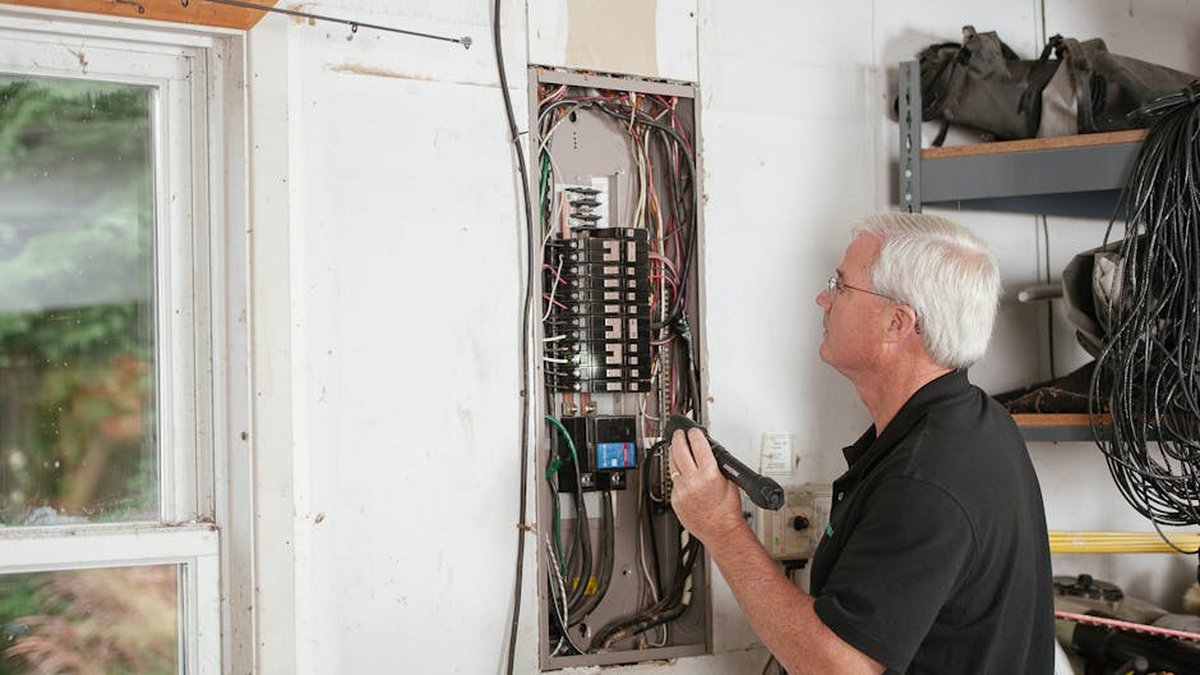
Your electrical panel quietly distributes power to every outlet, light, and appliance in your home. It's the central hub of your entire electrical system, taking power from the utility line and routing it safely throughout the house.
Most people never think about it. It sits in the garage or basement, doing its job invisibly. But when that panel is undersized, aging, or failing, it becomes more than just an inconvenience.
If you've noticed flickering lights, breakers that trip more often than they used to, or you're planning to add an EV charger or other high-demand equipment, you may be wondering whether an upgrade is worth the investment. The answer depends on your home's age, your current electrical demands, and the warning signs your system may be showing.
What An Electrical Panel Upgrade Actually Involves
An electrical panel upgrade replaces your home's main distribution panel with a newer, higher-capacity unit that can safely handle modern electrical demands.
This might mean increasing capacity from 100 amps to 200 amps — the standard for most modern homes.
The work requires a licensed electrician. Permits are mandatory — not just bureaucratic formality, but a critical step that ensures the installation is inspected and meets local electrical codes. Depending on the scope of work, you may also need coordination with your utility company for meter and service upgrades.
Installation typically takes 6-8 hours once work begins, though scheduling permits and utility coordination can add days or weeks to the overall timeline. Your electrician can give you a realistic estimate based on your specific situation.
How Much Does An Electrical Panel Upgrade Cost?
Costs vary significantly depending on panel size, installation complexity, and where you live.
For most homeowners, a standard panel upgrade runs between $1,300 and $4,000. Upgrading from 100 amps to 200 amps — the most common upgrade — typically costs $2,500 to $4,000. Basic panel replacements at the same amperage range from $1,000 to $3,000.
Full service upgrades that require utility coordination, a new meter base, or extensive rewiring can reach $5,000 to $30,000. These higher costs are more common in older homes where wiring needs updating or where underground service lines complicate the work.
Regional variation matters as well. Northeast markets see costs 40-60% higher than Southern states due to unionized labor rates and stricter code requirements.
Several factors influence where your project falls within these ranges: how accessible your panel location is, the condition of your existing wiring, whether code violations need addressing, and whether additional work like grounding upgrades is required. A licensed electrician can assess your system and provide a detailed quote.
Signs Your Electrical Panel May Need An Upgrade
- Frequent breaker trips. Breakers are designed to trip as a safety measure when circuits are overloaded. If you're constantly resetting breakers, it's not a sign that the breaker is faulty — it's a warning that your panel can't handle your home's electrical load.
- Flickering or dimming lights. Lights that dim when the air conditioner kicks on or you run the microwave suggest the panel is struggling to distribute power evenly under heavy demand.
- Buzzing, crackling, or popping sounds. Electrical panels should operate silently. Strange noises indicate loose connections or electrical arcing — both serious fire hazards that require immediate professional attention.
- Panel is warm or hot to the touch. The exterior of your panel should always feel cool. Heat buildup signals overloaded circuits and potential fire risk. This is one of the most serious warning signs and shouldn't be ignored.
- Burning smell or scorch marks. Any sign of burning near your panel is a critical warning. Stop using major appliances and call a licensed electrician immediately.
- Rust, corrosion, or water damage. Moisture inside the panel corrodes components, weakens connections, and increases short circuit risk.
- You still have a fuse box. Fuse boxes were adequate decades ago, but they weren't designed for today's electrical demands. If you're replacing blown fuses regularly, it's time to upgrade to a modern breaker panel.
- Your panel is over 25-30 years old. Even without visible symptoms, aging panels may not meet current safety standards or provide the protection modern codes require.
Dangerous Panel Brands To Know About
Certain electrical panels installed in the 1960s and 70s have documented design flaws that make them particularly hazardous.
Federal Pacific Electric (FPE) and Zinsco panels are the most widely recognized problems. These panels often fail to trip during an overload — meaning power continues flowing when it should shut off. The result can be overheated wires and electrical fires.
Many insurance companies refuse to cover homes with these panels, recognizing the elevated fire risk they represent. Others charge significantly higher premiums. If you have one of these brands, most electricians and safety organizations recommend replacement regardless of whether you're experiencing other symptoms.
Not sure what brand you have? A licensed electrician can help during an inspection and advise whether replacement is necessary for safety.
The Benefits Of Upgrading Your Electrical Panel
Safety comes first. More than 50,000 electrical fires occur in the United States each year, with faulty wiring and overloaded circuits among the leading causes. A modern panel with updated breakers, arc fault circuit interrupters (AFCIs), and proper grounding significantly reduces fire and shock risk. You're not just fixing an inconvenience—you're protecting your family.
Insurance implications matter. Some insurers refuse coverage for homes with outdated or hazardous panels. Others offer reduced premiums after an upgrade, recognizing that a modern electrical system represents lower risk. It's worth checking with your insurance provider to understand how an upgrade might affect your coverage and rates.
Home value increases. For potential buyers, an updated electrical system is a significant selling point. It signals that the home is well-maintained and ready for modern life. An outdated panel, on the other hand, often becomes a negotiating point that can reduce your sale price or delay closing.
Capacity for modern life. Today's homes demand far more power than the homes of a few decades ago. Central air conditioning, home offices with multiple devices, EV chargers, hot tubs, smart home systems—the list keeps growing. An upgrade ensures your system can handle what you're using now and what you'll want to add in the future.
Code compliance. Electrical codes evolve as technology and safety standards advance. An upgrade brings your home into compliance with current requirements, including newer provisions for surge protection and safety features that older panels lack.
When An Upgrade Makes Sense
Not every home needs an immediate panel upgrade.
You likely need an upgrade if: your panel is 25 or more years old, you have a fuse box or one of the hazardous brands mentioned above, you're experiencing the warning signs described earlier, or you're planning significant additions like an EV charger, central air conditioning, a hot tub, a home addition, or solar panels.
You may not need an upgrade if: your panel is relatively modern, properly sized for your current usage, and showing no signs of problems. Many homes with 100-150 amp panels can accommodate moderate additions with careful planning and load management.
The best way to know for certain is an assessment from a licensed electrician.
What To Expect During The Process
A licensed electrician evaluates your current electrical system, calculates load requirements, and determines the optimal panel size. This includes checking your home's wiring condition and identifying any code violations that need addressing.
Your electrician handles permit applications with local authorities, typically taking 3-7 business days for approval. This step ensures the installation will be inspected and verified to meet current codes.
For service upgrades, your electrician coordinates with your utility company to schedule power disconnection and reconnection. This typically requires 1-2 weeks advance notice, depending on your area.
On installation day, your electrician shuts off power, removes the old panel, installs the new panel and breakers, and reconnects all circuits. Most residential upgrades take 6-8 hours.
After installation, every circuit is tested for proper operation. A municipal inspector then verifies the work meets current electrical codes before final approval.
Final Thoughts
Your electrical panel is the foundation of your home's entire electrical system. When it's working properly, you never notice it. When it's failing or undersized, the symptoms show up everywhere—flickering lights, tripped breakers, the frustration of not being able to power everything you need.
An upgrade isn't always necessary. But when warning signs appear, when your home's electrical demands have outgrown what the panel can safely deliver, or when you're planning additions that require more capacity, the investment pays for itself in safety, capability, and peace of mind.