Key Takeaways
- Preventative pest control is worth the investment for Greensboro homeowners because it stops small pest problems before they turn into expensive, disruptive infestations
- Reactive treatment almost always costs more in the long run than staying ahead of an infestation
- Termites cause over $5 billion in damage to homes across the U.S. every year, making early detection critical
- Pests like ants, termites, mosquitoes, and ticks target Greensboro homes for the same basic needs: safety, shelter, food, and water
- Simple habits like sealing entry points, managing standing water, and reducing clutter can lower the risk of an infestation before it starts
Homeowners often ask the same question after spotting an ant trail or a mosquito bite: is it worth paying for pest control before there's an actual problem? The short answer is yes, and the reasons behind it matter more than most people realize.
Waiting For Bugs Costs You More
Pest problems rarely stay small. A few ants near the kitchen sink can signal a colony already nesting inside a wall void, and a single termite swarm in spring can point to months, sometimes years, of hidden damage underway. By the time pests become visible, an infestation may already be well underway, which means the cost of treatment has grown right along with it.
Reactive pest control means calling in help only after damage or a full-blown infestation is obvious. It tends to be more disruptive, more expensive, and slower to resolve than catching the issue early. Greensboro's mix of older homes, wooded lots, and humid summers creates conditions where pests can sneak in unnoticed, which makes a wait-and-see approach a risky bet for anyone who owns property in the area.
For homeowners weighing their options, prevention is almost always the more manageable and less costly path compared to treating an infestation that has already taken hold. That sets the stage for understanding why pests show up in the first place and what can be done to keep them out for good.
Why Pests Target Greensboro Homes
Safety, Shelter, Food, and Water
Every pest that sneaks into a home is chasing the same basic needs it would seek out in the wild. Homes offer safety from predators, shelter from harsh weather, and easy access to food and water, all without the risks pests would normally face outdoors. A warm attic in winter or a cool crawl space in summer looks like prime real estate to a mouse or a colony of ants.
Small gaps around windows, doors, and utility lines act like open invitations. Leaky pipes, pet food left out overnight, and even a dripping outdoor faucet can be enough to draw pests toward a house and keep them coming back. Removing these attractions makes a home far less appealing in the first place, which is the foundation of any effective prevention strategy.
Common Culprits: Ants, Termites, Mosquitoes, Ticks
According to Greensboro experts from Connor's Pest Pros, homeowners often deal with a fairly consistent lineup of pests throughout the year.
- Ants search out crumbs, spills, and unsealed pantry items, often forming visible trails once a food source is found.
- Termites work silently behind walls and beneath foundations, making them one of the most damaging pests a homeowner can face.
- Mosquitoes breed in standing water and are especially active from late spring through early fall, particularly near the creeks and low-lying areas common around Greensboro.
- Ticks hide in tall grass and wooded edges, and those found in Northern Virginia can carry Lyme disease, which makes yard maintenance a genuine health precaution rather than just a chore.
Proactive vs. Reactive: What's the Difference?
Proactive pest management means taking steps ahead of time to make a home less attractive to pests, whether that involves sealing cracks, removing standing water, or scheduling routine inspections. Reactive pest management, by contrast, focuses on eliminating an infestation that has already settled in. This difference has a big impact on cost, stress, and the amount of damage a home might sustain.
Most homes benefit from a blend of both approaches. Preventative habits handle the everyday risk factors, while professional inspections catch anything that slips through. Relying only on reactive treatment means always playing catch-up, often after pests have had time to multiply and cause harm that could have been avoided.
The Real Payoff of Prevention
Cutting Long-Term Costs
Preventative pest control tends to save money over time because it stops minor issues from snowballing into major ones. A small ant problem treated early is far cheaper to resolve than a widespread infestation that has spread through walls and flooring. Addressing risk factors before they turn into active infestations keeps treatments simpler and less disruptive to daily life.
Avoiding Structural Damage
Termites cause over $5 billion in damage to homes across the U.S. every year, which makes early detection one of the most valuable parts of a prevention plan. Carpenter ants and rodents can also chew through wood, insulation, and even wiring, creating repair bills that go far beyond what regular pest prevention would have cost. Routine inspections give homeowners a clearer picture of their home's condition and make it easier to catch warning signs before they become expensive structural problems.
Reducing Health Risks
Pests carry more than just an unpleasant surprise factor. Rodents, cockroaches, mosquitoes, and ticks are known to carry pathogens that can lead to serious illness, and droppings, shed skin, and nesting materials can aggravate allergies and respiratory issues over time. Keeping pest activity low protects indoor air quality and reduces the chances of a household member getting sick from a preventable exposure.
Gaining Peace of Mind
There's real value in not having to wonder what might be living behind the walls or under the porch. Preventative pest control offers reassurance that a home is protected against unseen threats, so homeowners can focus on other priorities instead of worrying about the next infestation.
Simple Steps Homeowners Can Take
Seal Entry Points and Fix Leaks
Cracks around foundations, gaps in window screens, and damaged dryer vents are common doorways for pests looking for shelter. Repairing these entry points, along with fixing leaky pipes and dripping faucets, removes two of the biggest draws for insects and rodents alike. A quick walk around the exterior of a home once a season can catch most of these issues before they become a problem.
Manage Food, Trash, and Standing Water
Pests are drawn to easy meals and easy water sources, so removing both makes a home far less appealing.
- Store leftovers and pantry items in airtight containers rather than open bags or boxes.
- Use trash bins with tightly sealed lids, especially outdoors where food waste attracts wildlife and insects.
- Empty containers, gutters, and other spots where rainwater collects, since standing water is a magnet for mosquitoes looking for a place to breed.
Keep Clutter and Pets in Check
Cluttered basements, attics, and closets give rodents and insects plenty of places to hide undisturbed. Clearing out unnecessary items and storing keepsakes in sealed containers removes potential nesting spots. Regular grooming also helps, since bathing and checking pets after time outdoors, especially in tall grass, lowers the chance of ticks and fleas hitching a ride into the house.
Why DIY Alone Falls Short
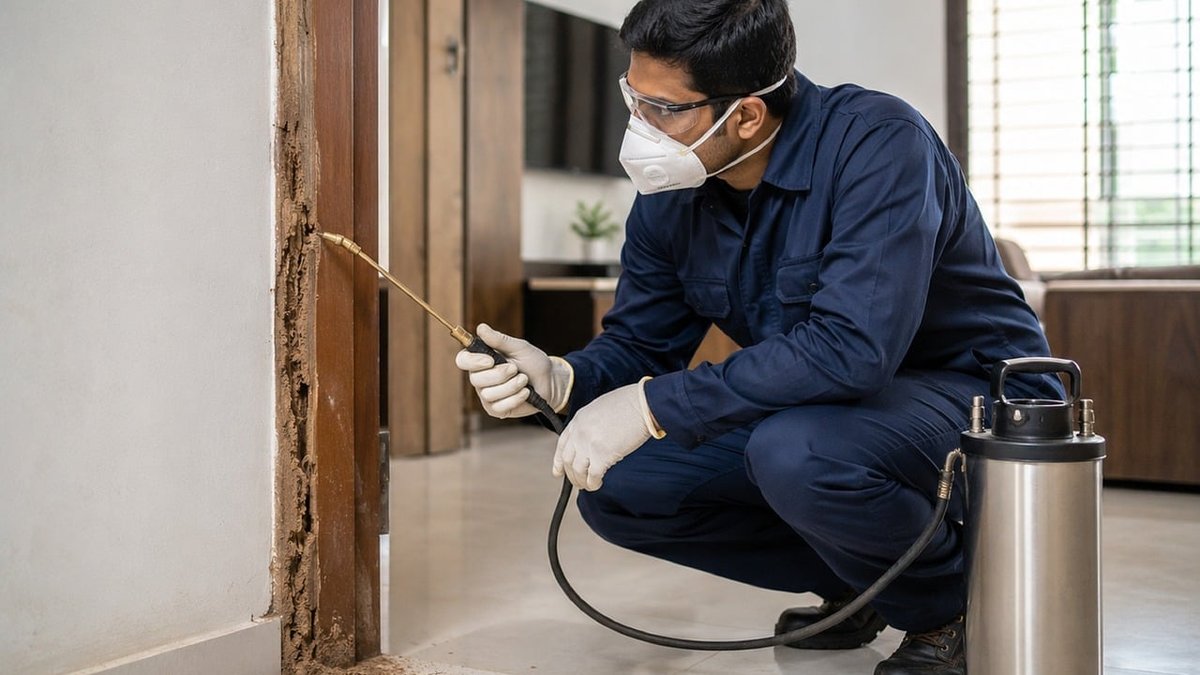
Do-it-yourself pest control can help with small, isolated problems, but it rarely gets to the root of a larger infestation. Store-bought sprays and traps might knock back visible pests temporarily, while the colony or nest driving the problem continues undisturbed somewhere out of sight. This holds especially true for high-risk pests like termites, rodents, and bed bugs, where the potential for costly damage and health risks makes professional treatment the safer choice.
Professional pest control also brings specialized equipment, targeted treatments, and trained eyes that can spot early warning signs a homeowner might easily miss. Combining that expertise with the everyday prevention habits homeowners can manage on their own creates a strong defense against pests year-round.
Prevention Beats Reaction, Every Time
Choosing prevention over reaction protects more than just a home's structure. It protects the budget, the health of everyone living there, and the everyday peace of mind that comes from not worrying about what might be lurking out of sight. Greensboro's climate and older housing stock make it an especially good candidate for a proactive approach, since pests here have plenty of opportunities to find their way indoors if given the chance.
For an easy starting point, consider scheduling a pest control inspection to identify vulnerabilities before they turn into costly problems.