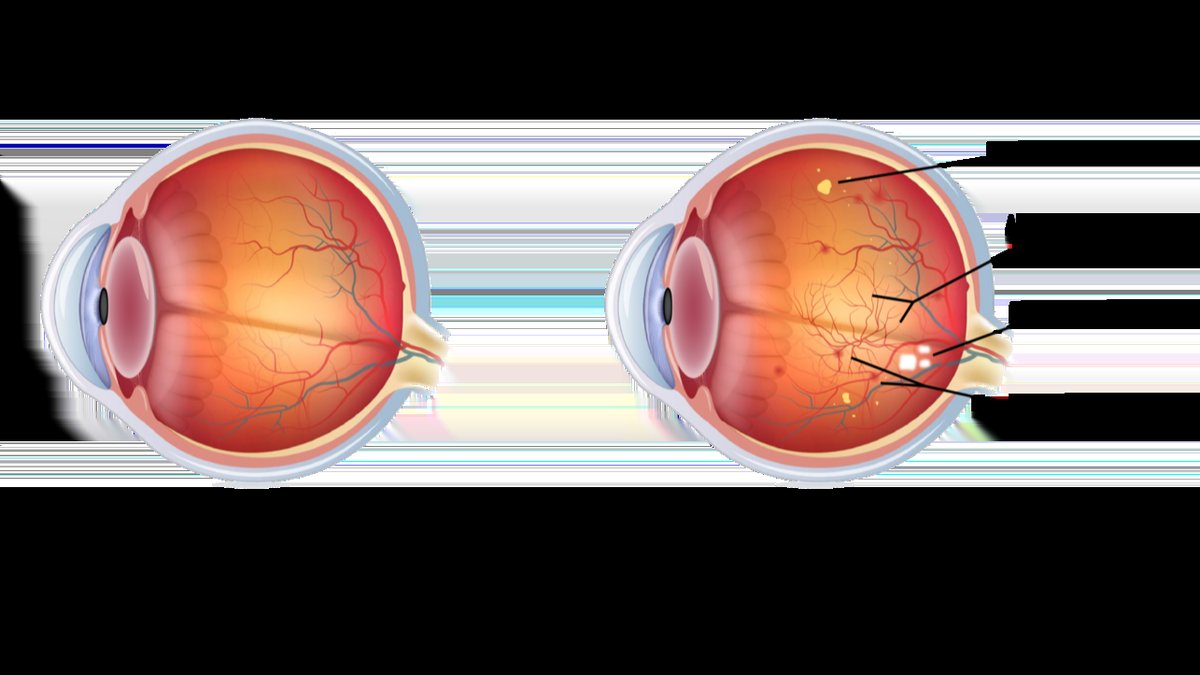
Clear Vision Ophthalmology has expanded its diabetic eye care services, detecting diabetic retinopathy and other diabetes-related eye conditions before permanent vision loss occurs. The practice combines annual dilated eye examinations with patient education, routine monitoring, and close collaboration with primary care physicians to help individuals better manage their long-term eye health.
More information is available at https://www.cveye.com/
Diabetic retinopathy remains one of the leading causes of preventable vision loss among adults, yet it often develops without noticeable symptoms until significant damage has already occurred. Because changes to the retina can progress silently, organizations including the American Academy of Ophthalmology recommend regular dilated eye examinations for people living with diabetes. Recently announced advances in detecting the condition earlier allows ophthalmologists to monitor subtle changes and begin treatment when necessary, helping preserve vision before complications become severe.
Clear Vision Ophthalmology's diabetic eye care program focuses on prevention as much as diagnosis. At each appointment, patients are encouraged to provide their most recent HbA1c and fasting blood glucose results, allowing physicians to better understand overall diabetes management alongside retinal health. The practice also maintains a structured recall system that reminds patients when annual examinations are due, and coordinates care with primary care physicians and specialists to encourage consistent monitoring and timely intervention when diabetic retinopathy is detected.
Through this proactive approach, Clear Vision Ophthalmology reports a diabetic retinopathy rate of just 3.5% among its diabetic patients—approximately eight times lower than the reported national prevalence of 25-28%.
Beyond comprehensive eye examinations, Clear Vision Ophthalmology places a strong emphasis on patient education. Physicians discuss lifestyle factors that influence eye health, including blood sugar control, regular physical activity, smoking cessation, and adherence to prescribed treatment plans. By helping patients better understand the relationship between diabetes management and long-term vision, the clinic aims to reduce preventable complications while supporting healthier outcomes overall.
For more information, visit https://www.cveye.com/