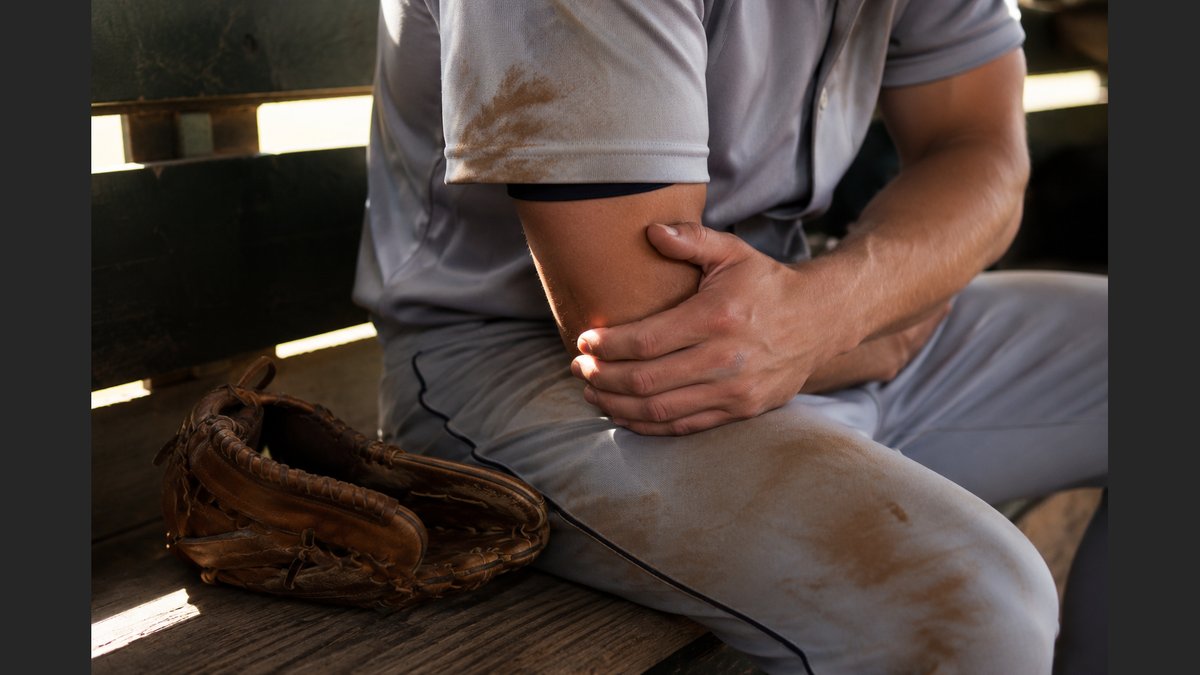
As youth baseball enters its busiest stretch of the year, with tournament schedules, travel-ball events, and championship competitions filling summer calendars, VeloRESET has released a new educational resource designed to help parents better understand Little League Elbow and recognize the early warning signs that may appear before elbow soreness develops into a more significant interruption from throwing.
More information is available at https://www.veloreset.com/blog/little-league-elbow-youth-pitchers-parents-guide
VeloRESET explains that one of the biggest challenges facing parents of young pitchers is understanding what "Little League Elbow" actually means, as the term is often searched only after a child begins experiencing pain. Little League Elbow, the company notes, refers to a growth-plate overuse injury affecting young athletes whose growth plates have not yet fully matured, generally between the ages of 8 and 14.
Unlike injuries that can be traced to a single play or obvious incident, Little League Elbow typically develops gradually through repeated throwing stress over time. According to VeloRESET, that gradual progression is one reason many parents initially dismiss early symptoms as routine soreness associated with a busy baseball season.
In addition, the resource explores some of the distinctions between ordinary throwing fatigue and patterns that may warrant closer attention. Among the signs highlighted are pain on the inside of the elbow during throwing, tenderness around the bony prominence of the inner elbow, and symptoms that persist across multiple outings rather than resolving through normal recovery.
Another focus of the resource is workload management. While pitch counts remain an important safeguard, VeloRESET notes that they capture only a portion of a young athlete's throwing volume. Bullpens, practices, lessons, showcases, and recreational throwing can all contribute to total arm stress throughout a season. Research from the American Sports Medicine Institute has found that youth pitchers who throw more than 100 innings per year are approximately 3.5 times more likely to eventually require elbow surgery, highlighting the importance of monitoring cumulative workload over time.
The company says the goal of the resource is not to diagnose injuries or provide treatment recommendations, but to help parents make more informed decisions when something feels off. For families seeking additional clarity, VeloRESET also offers its Arm State Read, a decision-support resource that evaluates current workload and recovery signals through a short questionnaire and provides personalized educational feedback based on a pitcher's current situation.
Those interested can learn more by visiting https://www.veloreset.com/arm-state-read