Key Takeaways
- Rinnai leads in maximum efficiency with models reaching up to 98% UEF, while Navien typically caps at 96% UEF but offers unique built-in buffer tank technology
- Navien's ComfortFlow system eliminates the cold water sandwich effect through built-in buffer tanks, providing instant hot water without additional plumbing modifications
- Navien offers 15-year heat exchanger warranties on their premium models, while Rinnai typically provides 12-year coverage with some premium models extending to 15 years
- Installation costs vary significantly based on venting requirements, with Navien's PVC venting compatibility often reducing upfront expenses compared to Rinnai's more flexible but complex venting options
- Professional installation and regular maintenance are critical for both brands to prevent costly repairs and maintain warranty coverage
Choosing between Navien and Rinnai tankless water heaters often comes down to specific household priorities: instant hot water delivery versus maximum energy efficiency. Both brands represent the top tier of tankless technology, but understanding their distinct advantages helps homeowners make the right investment for their particular situation.
Key Differences That Actually Matter to Homeowners
The fundamental distinction between Navien and Rinnai lies in their approach to solving common tankless water heater challenges. Navien focuses heavily on eliminating wait times for hot water through built-in recirculation technology, while Rinnai prioritizes maximum energy efficiency and robust long-term performance. These philosophical differences translate into real-world benefits that vary depending on household usage patterns.
Navien's NPE-A2 series stands out with its built-in buffer tank and recirculation pump, effectively eliminating the "cold water sandwich" effect that frustrates many tankless water heater users. This built-in approach means homeowners get hot water almost instantly without installing additional return lines or external pumps. Industry experts note that this feature significantly impacts user satisfaction, particularly in larger homes where hot water travel distance creates longer wait times.
Rinnai's strength lies in its SENSEI technology, which automatically adjusts to varying fuel qualities - particularly beneficial for propane users where fuel consistency can fluctuate. The brand's reputation for durability stems from its robust heat exchanger design and quality control processes that have earned trust among professional contractors nationwide.
Efficiency Ratings: Which Saves More on Energy Bills
Navien's UEF Performance and ENERGY STAR Models
Navien's condensing models achieve impressive 0.96 Uniform Energy Factor (UEF) ratings, with their NPE-A2 and NPE-S2 series earning ENERGY STAR certification. Higher UEF ratings directly correlate to greater energy savings and lower operating costs. For households with moderate to high hot water usage, this efficiency level provides substantial long-term savings compared to traditional tank water heaters.
The brand's non-condensing models operate at approximately 0.81 UEF, which still exceeds minimum efficiency standards but falls short of the energy savings potential found in condensing units. Homeowners should factor in their local utility rates and usage patterns when evaluating whether the higher upfront cost of condensing models justifies the improved efficiency.
Rinnai SENSEI Technology Reaches 98% UEF
Rinnai's SENSEI RX series achieves the highest efficiency ratings available in residential tankless water heaters, reaching up to 98% UEF. This represents the cutting edge of tankless technology, where advanced combustion systems extract maximum heat from fuel while minimizing waste. The RX series models earn ENERGY STAR certification and provide the most significant energy savings potential among both brands.
The SENSEI combustion system's ability to self-adjust for varying fuel qualities ensures consistent efficiency regardless of natural gas or propane supply variations. This adaptive technology maintains peak performance even when fuel BTU content fluctuates, something particularly valuable in areas with inconsistent propane delivery or natural gas pressure variations.
Real-World Energy Savings Comparison
While efficiency ratings provide important benchmarks, real-world savings depend on installation quality, maintenance, and household usage patterns. High-efficiency tankless installations show that both brands can deliver substantial energy savings when properly maintained, while Navien's built-in recirculation can reduce overall energy consumption by eliminating water waste during heat-up periods.
Homeowners in hard water areas may see efficiency degradation over time without proper maintenance, regardless of brand choice. Regular descaling maintains peak efficiency, but Navien's systems may require more frequent attention due to their more complex internal components.
Hot Water Delivery: Solving the Cold Water Problem
Navien's ComfortFlow System Eliminates Cold Water Sandwich
The "cold water sandwich" effect - where hot water is followed by cold water before returning to hot - represents one of the most common complaints about tankless water heaters. Navien's ComfortFlow system addresses this through a built-in buffer tank that maintains a small volume of hot water ready for immediate delivery. This approach ensures consistent temperature from the moment hot water is requested.
The system includes fine-tuned controls that manage the buffer tank temperature and recirculation pump operation, creating a seamless user experience that rivals traditional tank water heaters for convenience while maintaining tankless efficiency benefits. This technology particularly benefits households with multiple hot water outlets or longer pipe runs where temperature fluctuations are most noticeable.
Rinnai Smart-Circ Technology vs Built-in Recirculation
Rinnai's Smart-Circ Intelligent Recirculation technology takes a different approach, learning household hot water usage patterns over seven days and automatically scheduling pump operation during peak demand periods. This adaptive system minimizes energy waste while ensuring hot water availability when needed most.
The key difference lies in implementation: Navien provides built-in recirculation as standard equipment on NPE-A2 models, while Rinnai offers Smart-Circ on their SENSEI RXP models with built-in recirculation pumps. Both approaches effectively solve the cold water delay problem, though some Rinnai Smart-Circ features may require additional wireless modules for full functionality.
Reliability Track Record: What Users Actually Report
Rinnai's 20-Year Lifespan and Durability Reputation
Rinnai has established a strong reputation for long-term durability, with many units operating reliably for 15-20 years under proper maintenance conditions. User reports consistently highlight the brand's robust construction and consistent performance over extended periods. Professional contractors often prefer Rinnai for commercial applications where reliability is paramount.
The brand's heat exchanger design uses proven materials and manufacturing processes that resist corrosion and thermal stress. This engineering approach prioritizes longevity over cutting-edge features, resulting in units that maintain performance characteristics throughout their service life with minimal degradation.
Common Navien Maintenance Issues Homeowners Face
While Navien units offer advanced features, some users report more frequent maintenance requirements compared to Rinnai models. Common issues include recirculation pump servicing, buffer tank maintenance, and occasional sensor calibration needs. These maintenance requirements stem from the increased complexity of Navien's built-in systems.
Hard water areas particularly challenge Navien units, where mineral buildup can affect the recirculation system and buffer tank operation. Regular descaling becomes even more critical for maintaining optimal performance, and neglecting maintenance can lead to expensive component replacements.
Customer Service and Warranty Claim Experiences
User feedback indicates that Rinnai generally provides more responsive customer service and technical support, particularly for warranty claims and troubleshooting assistance. The company's established dealer network and parts availability contribute to faster resolution of service issues.
Navien's customer service experiences vary more widely, with some users reporting excellent support while others encounter delays in technical assistance or parts availability. The brand's newer market presence in some regions may contribute to less consistent service experiences compared to Rinnai's more established support infrastructure.
Installation Costs and Venting Requirements
Navien's PVC Venting Advantage
Navien units typically accommodate PVC venting materials, which can significantly reduce installation costs compared to stainless steel venting requirements. PVC venting compatibility makes Navien units more accessible for budget-conscious homeowners who want advanced tankless features without premium installation expenses.
This venting flexibility also simplifies installation in existing homes where retrofit applications may face space constraints or structural limitations. The lower venting costs make Navien units more accessible for homeowners seeking advanced tankless features.
Rinnai's Flexible Installation Options
Rinnai offers extensive venting flexibility through concentric and two-pipe systems that accommodate various installation scenarios. While this flexibility may increase initial costs, it provides solutions for challenging installations where standard venting approaches won't work.
The brand's indoor and outdoor model options further expand installation possibilities, allowing homeowners to choose configurations that best fit their home's layout and local climate conditions. This versatility often justifies higher installation costs for homes with unique architectural requirements.
Warranty Coverage: Heat Exchanger, Parts, and Labor Protection
Heat Exchanger Warranties: Different Coverage Periods
Navien provides 15-year heat exchanger warranties on their premium condensing models, while Rinnai typically offers 12-year coverage with some premium models extending to 15 years. This warranty coverage reflects manufacturer confidence in heat exchanger durability and provides homeowners with long-term peace of mind.
The heat exchanger warranty typically requires professional installation and regular maintenance to remain valid. Failure to follow manufacturer maintenance guidelines can void warranty coverage, making professional service essential for protecting the investment.
Parts and Labor Coverage Differences
Standard parts coverage extends to 5 years for both brands, while labor warranties typically last only 1 year. These shorter coverage periods for parts and labor mean homeowners may face out-of-pocket expenses for component failures or service calls after the initial warranty period expires.
Extended warranty options through manufacturer registration can provide additional protection, but terms and availability vary by region and installer participation. Homeowners should verify specific warranty terms with their installing contractor before making final brand decisions.
Extended Warranty Options Through Registration
Both manufacturers offer enhanced warranty protection through product registration and professional installation verification. These extended warranties may include additional parts coverage or longer labor protection, but require documentation of proper installation and maintenance compliance.
Registration requirements typically include proof of professional installation, initial system commissioning documentation, and agreement to follow manufacturer maintenance schedules. Meeting these requirements ensures maximum warranty protection and may provide priority customer service access.
Professional Installation Prevents Costly Repairs
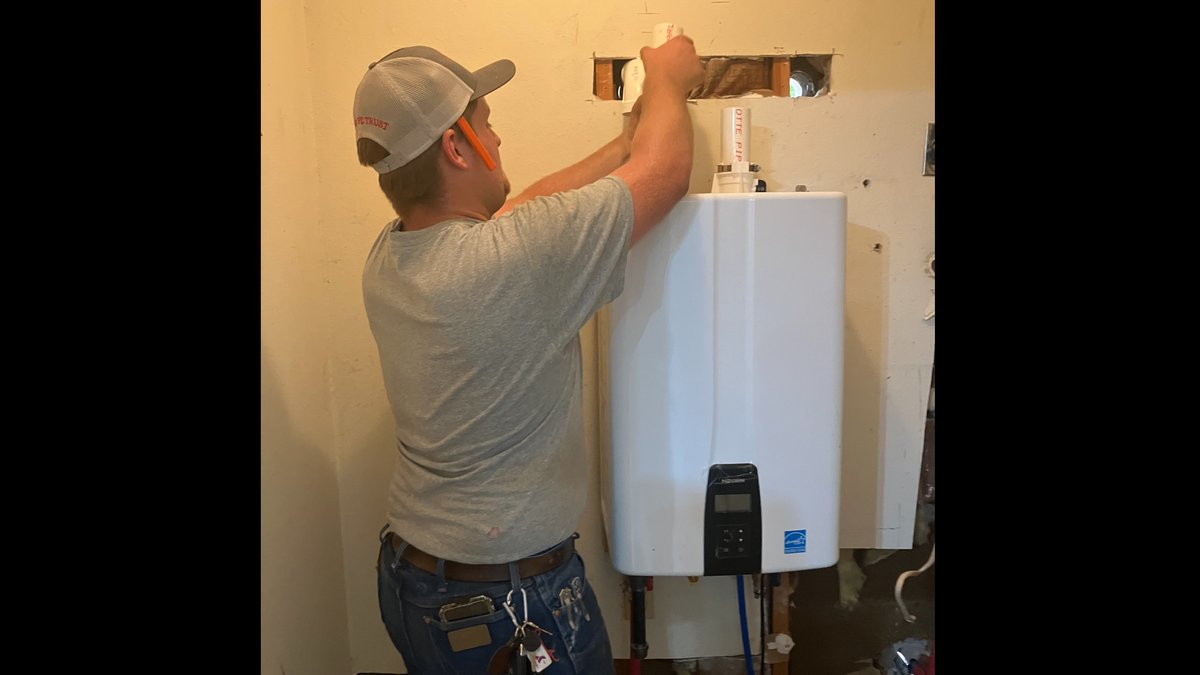
Professional installation by certified technicians is essential for both Navien and Rinnai tankless water heaters to ensure optimal performance, safety, and warranty compliance. Improper installation can lead to efficiency loss, premature component failure, and dangerous operating conditions that may void warranty coverage and create safety hazards.
Certified installers understand the specific requirements for gas line sizing, electrical connections, venting configurations, and water pressure considerations that affect tankless water heater performance. They also perform critical commissioning tests that verify proper operation and identify potential issues before they become expensive problems.
Regular professional maintenance, including annual descaling and system inspection, extends equipment life and maintains peak efficiency for both brands. The investment in professional service typically pays for itself through improved reliability and energy savings over the unit's lifespan.