Oral diseases affect approximately 3.5 billion people globally, and a growing body of research shows that what happens in your mouth can influence your risk for heart disease, stroke, diabetes complications, Alzheimer's disease, respiratory infections, and pregnancy complications.
Understanding this relationship changes how you think about brushing, flossing, and those routine dental visits you might be tempted to skip. Your mouth is a window into your overall health, and keeping it healthy is about more than just avoiding cavities.
The Mouth Is Not Separate From The Rest Of The Body
The mouth contains bacteria naturally. Most are harmless when oral hygiene is maintained properly. Brushing, flossing, saliva production, and routine dental care help keep bacterial levels balanced.
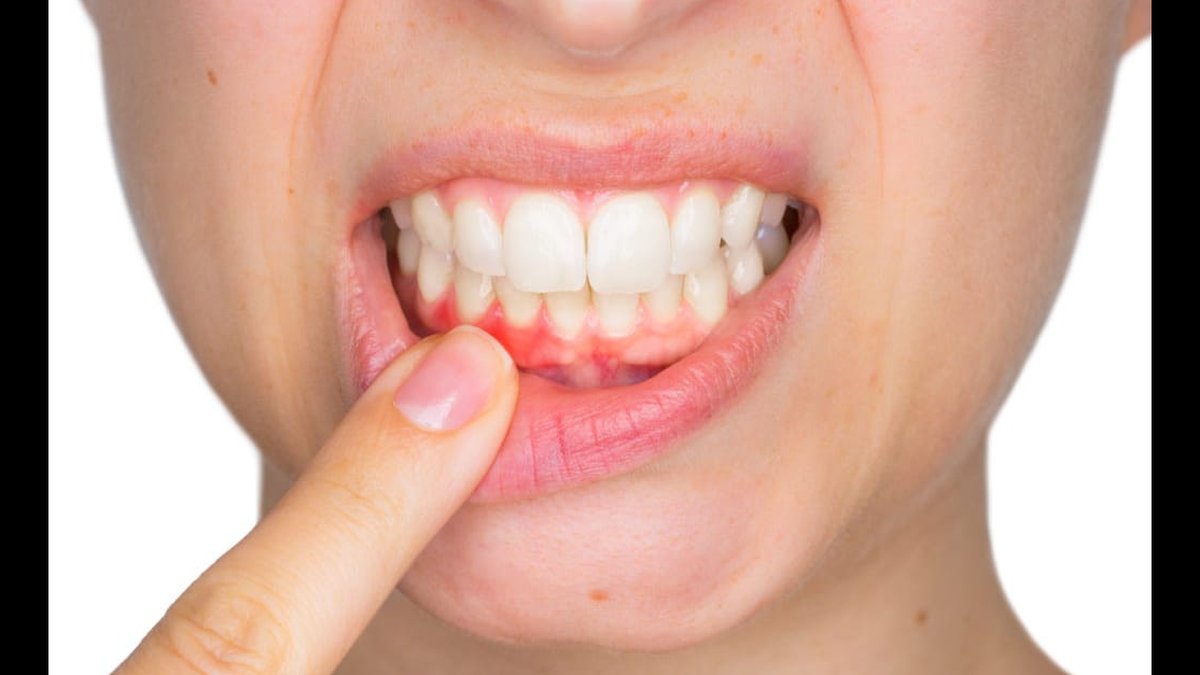
Problems begin when bacteria build up beyond what the body can manage effectively. Plaque accumulation around teeth and gums creates inflammation. Over time, that inflammation may develop into gingivitis or more advanced periodontal disease if untreated.
Once gums become inflamed or damaged, bacteria can enter the bloodstream more easily through tiny openings in gum tissue. That’s where the conversation shifts from oral health alone to broader health implications.
Gum Disease Has Been Linked To Heart Health Concerns
Researchers have found associations between periodontal disease and increased risk factors for heart disease and stroke. While oral disease itself may not directly “cause” heart problems in a simple one-to-one way, chronic inflammation appears to play an important role.
A December 2025 scientific statement from the American Heart Association, published in the journal Circulation, reviewed the latest research and concluded that periodontal disease is associated with increased risk of heart attack, stroke, atrial fibrillation, heart failure, and other cardiometabolic conditions. The statement updated previous guidance from 2012 with new data supporting the connection.
Inflammation inside the body affects blood vessels and circulation over time. Some studies suggest bacteria associated with gum disease may also contribute to inflammatory responses elsewhere in the body.
People with severe periodontal disease are often found to have higher levels of systemic inflammation markers compared to individuals with healthier gums.
That’s one reason dentists increasingly emphasize gum health as part of overall wellness rather than only focusing on teeth.
Diabetes And Oral Health Affect Each Other Both Ways
The relationship between diabetes and oral health is especially important because it works in both directions.
People with uncontrolled diabetes often face greater risk of gum disease because elevated blood sugar can affect circulation and immune response.
At the same time, severe gum inflammation may make blood sugar management more difficult. This creates a cycle where each condition can worsen the other if left unmanaged.
Dentists sometimes identify warning signs of undiagnosed diabetes during oral exams, particularly when patients show unusual gum inflammation, delayed healing, or frequent oral infections.
Respiratory Infections
The bacteria in your mouth can also affect your lungs. When you breathe, oral bacteria can be aspirated into the respiratory tract. For most healthy people, this isn't a significant problem—the body clears them. But for elderly individuals, those with weakened immune systems, or hospital patients, aspirated oral bacteria can contribute to pneumonia and other respiratory infections.
Studies have found that improving oral hygiene in nursing home residents and hospitalized patients reduces the incidence of respiratory infections. Regular dental care and good oral hygiene are particularly important for vulnerable populations who may be at higher risk for aspiration-related complications.
What Happens During A Dental Exam
Understanding what your dentist is actually checking for helps explain why these visits matter.
A comprehensive dental exam involves much more than looking for cavities. Your dentist examines your teeth, gums, tongue, throat, and surrounding tissues. They check for signs of decay, gum disease, oral cancer, and other abnormalities. X-rays reveal problems hidden below the surface — cavities between teeth, bone loss, impacted teeth, and infections at the root.
Gum assessment is a critical part of the exam. Your dentist or hygienist measures the depth of the pockets between your teeth and gums. Healthy pockets are shallow — typically 1 to 3 millimeters. Deeper pockets indicate gum disease and bone loss. They also check for bleeding, inflammation, and gum recession.
Oral cancer screening is quick and painless but potentially life-saving. Your dentist looks for unusual sores, lumps, or discolored patches in your mouth, throat, and on your tongue. Early detection dramatically improves oral cancer outcomes.
Bite and jaw assessment identifies issues with how your teeth come together and whether you're showing signs of grinding or TMJ problems.
These examinations catch problems early—often before you notice any symptoms. A small cavity detected during a routine exam can be treated with a simple filling. Left undetected, it can progress to infection, root canal, or extraction.
Why Professional Cleaning Matters
You can brush and floss perfectly, and you'll still benefit from professional cleanings. Here's why.
Plaque is the soft, sticky film of bacteria that forms on your teeth throughout the day. Regular brushing removes most of it. But plaque you miss hardens into tartar (calculus) within 24 to 72 hours. Once tartar forms, you cannot remove it with a toothbrush or floss — no matter how diligent you are; only professional instruments can.
Tartar buildup below the gumline is particularly problematic. It irritates the gums, harbors bacteria, and promotes the inflammation that leads to periodontal disease. Professional cleaning removes tartar from places you can't reach and creates a clean surface that's easier to maintain at home.
How Often Should You Go?
The standard recommendation is a dental exam and cleaning every six months. This frequency works well for most people — it's often enough to catch problems early and remove tartar before it causes significant damage.
Some people need more frequent visits though. If you have gum disease, a history of frequent cavities, diabetes, or other conditions that affect oral health, your dentist may recommend cleanings every three to four months. Pregnant women, smokers, and people with weakened immune systems may also benefit from more frequent care. Your dentist can help determine the right schedule based on your individual situation.
The key is consistency as skipping dental visits allows small problems to become big ones.
Signs To Watch For At Home
Between dental visits, pay attention to what your mouth is telling you:
- Bleeding gums when you brush or floss isn't normal. It's often the first sign of gingivitis. Don't stop brushing the area—keep it clean and see your dentist if bleeding persists.
- Red, swollen, or tender gums indicate inflammation. Healthy gums are pink and firm.
- Persistent bad breath that doesn't improve with brushing may signal gum disease or other oral health issues.
- Receding gums or teeth that appear longer than they used to suggest bone and tissue loss from periodontal disease.
- Loose teeth in adults are a serious warning sign of advanced gum disease.
- Pain or sensitivity that doesn't resolve deserves professional evaluation.
- Sores or lumps that don't heal within two weeks should be examined to rule out oral cancer.
If you notice any of these signs, don't wait for your next scheduled appointment. Call your dentist.
The Bigger Picture
Your mouth is not an isolated system. It's connected to your heart, your brain, your lungs, and virtually every other part of your body. The bacteria that thrive when oral hygiene slips don't stay in your mouth—they travel. Taking care of your oral health protects your overall health.
Regular dental exams and professional cleanings are one of the most effective tools you have. They catch problems early, remove buildup you can't address at home, and give your dental team the opportunity to monitor your oral health over time. Combined with good daily habits, these visits form the foundation of oral health that supports your whole body.