Neuvera has released a new guide comparing peptides and retinol for anti-aging skincare, giving consumers a practical look at how the two popular ingredients differ in their effects on fine lines, firmness, texture, and skin tolerance. The guide also explores why peptides may appeal to people with sensitive or easily irritated skin who find it difficult to use retinol consistently.
More details can be found at https://neuveralife.com/blogs/journal/peptides-vs-retinol-for-anti-aging-differences-benefits-results
The announcement comes at a time when retinol remains a mainstay of anti-aging skincare, despite irritation being a common concern. A 24-week clinical study published in JAMA Dermatology involving 36 participants found that those using topical retinol commonly experienced redness, peeling, and dryness over the course of treatment.
The Neuvera guide explains that retinol and peptides take different routes to improving the appearance of aging skin. Retinol, a vitamin A derivative, encourages skin-cell turnover and collagen production and has extensive research behind its use for fine lines, uneven pigmentation, and texture.
Peptides are short chains of amino acids used in skincare to support processes associated with collagen, elasticity, hydration, and the skin barrier. Their effects depend on the particular peptide and formulation, so results cannot be generalized across every peptide product. For consumers comparing the two ingredients, the guide looks at these differences alongside factors such as skin type, sensitivity, application frequency, and how easily each ingredient fits into an established routine.
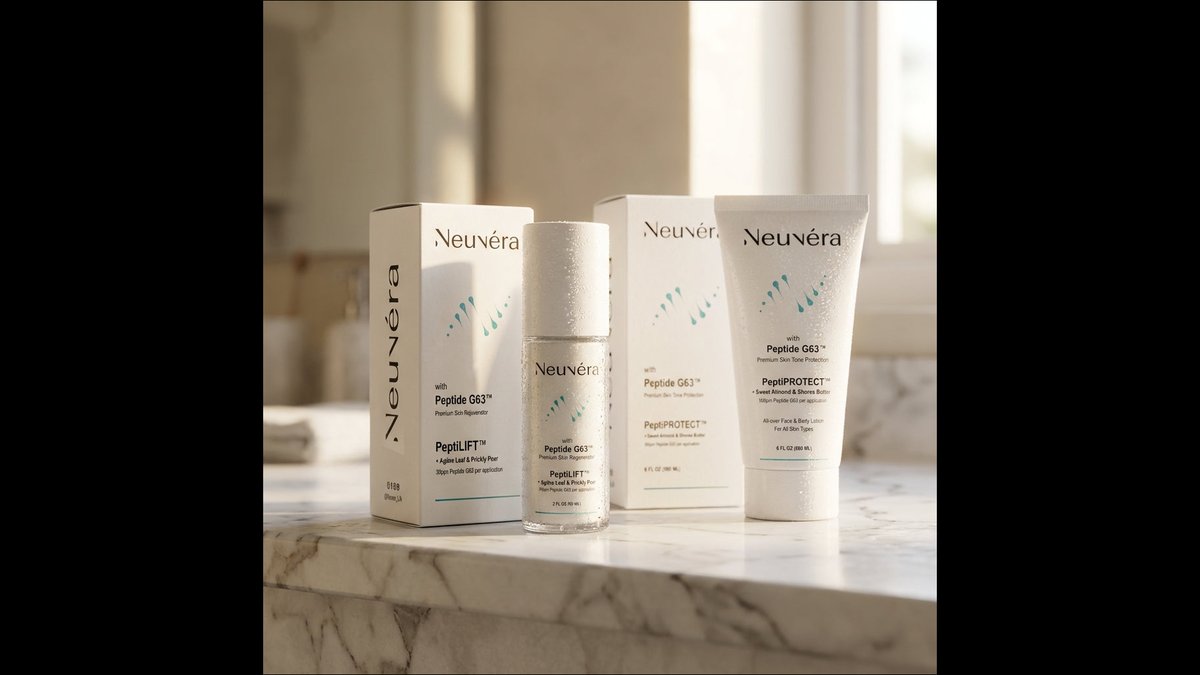
The guide also discusses the growing role of peptide delivery technology. Neuvera uses its patented Peptide G technology in its topical skincare range, including PeptiLIFT and PeptiPROTECT. The company said its approach combines bioactive peptides with clinically studied transdermal delivery, reflecting a broader focus within peptide skincare on how active ingredients are formulated to reach the skin effectively.
Ultimately, the comparison does not present peptides and retinol as interchangeable ingredients or suggest that one is universally better. Retinol has decades of evidence behind its anti-aging benefits, while peptides offer another option for people interested in supporting firmness and smoother-looking skin, particularly when gentleness and consistent use are priorities. The right choice depends on individual skin concerns, tolerance, existing products, and personal skincare goals.
For more information, visit https://neuveralife.com/