Key Takeaways
- Sudden lateral pivots and quick stops in pickleball create ACL strain and meniscus tears by forcing the knee to absorb excessive rotational forces during gameplay.
- Overhead volleys and repetitive dink shots lead to rotator cuff damage and tennis elbow when players hyperextend or use improper paddle grip mechanics repeatedly.
- StemWave shockwave therapy repairs movement-damaged tissue by restoring blood flow to injured areas and stimulating stem cell migration, showing significant patient improvement rates.
- Natural anti-inflammatories like turmeric and boswellia block pain signals similar to NSAIDs while supporting long-term joint recovery without harmful side effects.
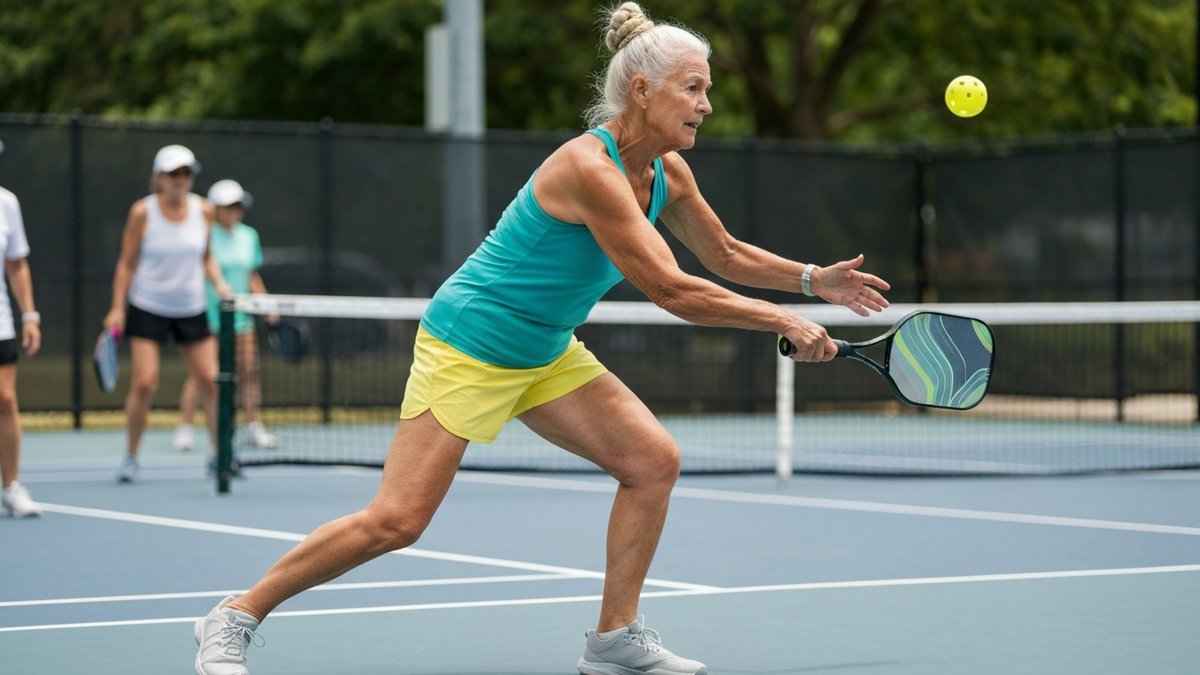
Pickleball's explosive popularity has created an unexpected surge in sports injuries, with emergency rooms reporting an 88% increase in pickleball-related visits since 2020. While the sport appears gentler than tennis, specific movement patterns common in pickleball create unique biomechanical stresses that damage joints, tendons, and ligaments in predictable ways.
Most Common Pickleball Movement Patterns Causing Injuries
The confined court space and fast-paced nature of pickleball forces players into repetitive movement patterns that stress the body differently than other racket sports. Unlike tennis, where players have more time to position themselves, pickleball demands rapid directional changes within a smaller area, creating concentrated forces on specific body parts.
Research from sports medicine clinics shows that pickleball injuries typically cluster around three primary movement categories: lateral pivoting mechanics, overhead striking patterns, and repetitive paddle gripping. These movements become problematic when performed repeatedly without proper form or adequate recovery time between sessions.
The kitchen line—the 7-foot no-volley zone unique to pickleball—forces players into awkward body positions during dink rallies and quick net exchanges. Advanced pain management specialists report seeing increasing numbers of players with chronic pain stemming from these confined-space movement demands.
Lateral Pivot Mechanics Contributing to Knee Damage
The most devastating pickleball injuries often occur during rapid lateral movements required for court coverage. Players frequently need to change direction while their body weight is committed to forward momentum, creating dangerous shearing forces across knee joints.
Sudden Stops and Direction Changes Straining ACLs
Anterior cruciate ligament tears in pickleball typically happen when players attempt to stop their forward motion abruptly while simultaneously pivoting to reach a cross-court shot. The ACL bears the primary load during these deceleration movements, especially when the foot is planted and the knee rotates inward.
The problem becomes worse on outdoor courts with textured surfaces that increase traction. While better grip prevents slipping, it also means the foot cannot slide slightly during pivots, transferring all rotational stress directly to the knee joint. Players over 40 face higher injury risk due to age-related changes in flexibility and muscle strength.
Quick-Stop Forces Creating Meniscus Tears
The meniscus—cartilage that cushions the knee joint—suffers damage when players make sudden stops during lateral lunges to reach wide shots. The C-shaped cartilage can tear when compressed between the femur and tibia during these high-impact deceleration movements.
Meniscus tears often develop gradually rather than from a single traumatic event. Repetitive compression during hundreds of quick stops per game session creates microscopic damage that accumulates over time. Players may notice increasing stiffness and clicking sounds before experiencing acute pain.
Overhead Volley Patterns Can Contribute to Shoulder Issues
While pickleball serves must be struck underhand, overhead volleys and smashes throughout gameplay can damage shoulder structures when performed with poor mechanics or excessive frequency.
Hyperextension During Volleys Can Damage Rotator Cuff
Overhead volleys and smashes require the shoulder to move through extreme ranges of motion that can stress the rotator cuff beyond its normal limits. The four small muscles comprising the rotator cuff work together to stabilize the shoulder during these dynamic movements, but they become vulnerable during repetitive overhead motions.
Players often hyperextend their shoulders when reaching for high balls or attempting powerful overhead shots. This position places maximum tension on the rotator cuff tendons, particularly the supraspinatus, which can develop microscopic tears that worsen with continued play. Poor timing and rushed movements amplify these stresses.
Repetitive Dink Mechanics Leading to Tennis Elbow
The soft dink shots that dominate pickleball strategy require precise wrist control and repetitive forearm muscle contractions that can overload the lateral epicondyle. Tennis elbow develops when the extensor muscles that control wrist movement become inflamed from excessive use.
Dink rallies can last dozens of shots, requiring hundreds of controlled wrist movements per game. Players who grip their paddle too tightly or use excessive wrist action during dinks place additional stress on the forearm tendons. The problem becomes worse when players try to add spin or pace to their dink shots.
Improper Paddle Grip Causing Wrist Sprains
Wrist injuries in pickleball often stem from gripping the paddle too tightly or using incorrect hand positioning that forces the wrist into unnatural angles during play. The ideal grip allows for controlled paddle movement without excessive muscular tension.
Many recreational players hold their paddle like a tennis racket, creating a death grip that transfers shock through the wrist and forearm. Proper grip technique provides better control while reducing wrist stress during ball contact.
Paddle weight and grip size significantly influence wrist comfort and injury risk. Heavier paddles require more muscular effort to maneuver, while grips that are too small or large force the hand into compensatory positions that strain wrist joints during repetitive swinging motions.
StemWave Shockwave Therapy Repairs Movement-Damaged Tissue
Advanced treatment options now target the root causes of pickleball injuries rather than simply managing symptoms. Electrohydraulic shockwave therapy represents a breakthrough approach that addresses the compromised blood supply and cellular damage underlying chronic sports injuries.
Restoring Blood Flow to Injured Microvasculature
Chronic pickleball injuries often persist because damaged tissue lacks adequate blood supply for natural healing. Repetitive stress creates microscopic damage to the tiny blood vessels that deliver oxygen and nutrients to tendons, ligaments, and cartilage around joints.
StemWave therapy delivers precise acoustic pulses that stimulate angiogenesis—the formation of new blood vessels in damaged tissue. The controlled mechanical stress triggers the release of vascular endothelial growth factor (VEGF) and other signaling molecules that promote microvascular regeneration.
Restored blood flow enables injured tissue to access the cellular building blocks necessary for repair, including amino acids for collagen synthesis and antioxidants that neutralize inflammatory damage. This vascular restoration creates the foundation for sustained healing rather than temporary pain relief.
Stimulating Stem Cell Migration for Tissue Regeneration
The acoustic waves generated during StemWave treatment create beneficial cellular stress that activates natural regenerative mechanisms. This stimulation releases chemotactic factors—chemical signals that attract mesenchymal stem cells from surrounding tissue and bone marrow to the injury site.
Once recruited, these stem cells differentiate into the specific cell types needed for tissue repair. They can become chondrocytes for cartilage regeneration, tenocytes for tendon healing, or osteoblasts for bone repair, depending on the local cellular environment and signaling factors present.
Natural Anti-Inflammatories Supporting Recovery
Plant-based compounds offer powerful anti-inflammatory effects that can complement advanced therapies while providing ongoing support for tissue healing and pain management.
Turmeric Blocks Pain Signals Like NSAIDs With Fewer Side Effects
Curcumin, the active compound in turmeric, demonstrates remarkable anti-inflammatory and analgesic properties that rival conventional NSAIDs in clinical effectiveness. The compound works by inhibiting nuclear factor kappa B (NF-kB), a key molecule that triggers inflammatory gene expression throughout the body.
Unlike pharmaceutical anti-inflammatory drugs that can cause gastrointestinal complications with long-term use, curcumin offers effective pain relief without significant adverse effects. Research indicates that standardized curcumin extract can produce meaningful improvements in pain and function for individuals with joint conditions.
Absorption enhancers like black pepper extract (piperine) can significantly increase curcumin bioavailability, making smaller doses more therapeutically effective. Taking curcumin with healthy fats further improves absorption and utilization by the body's tissues.
Boswellia Targets Joint Inflammation Pathways
Boswellia serrata extract provides anti-inflammatory mechanisms that work alongside curcumin. The active boswellic acids inhibit specific inflammatory pathways involved in joint inflammation and tissue degradation.
Research demonstrates that standardized Boswellia extract can reduce pain and improve physical function in adults with joint conditions. The extract shows promise for supporting tissue health over time, indicating potential benefits beyond symptom management.
Standardized formulations provide consistent levels of active compounds and have shown pain reduction benefits in clinical studies, offering a natural alternative to conventional anti-inflammatory drugs.
Integrated Pain Management Protocol Addresses Root Causes Beyond Symptoms
The most effective approach to pickleball injury recovery combines advanced regenerative therapies with movement correction and nutritional optimization to address multiple aspects of the healing process simultaneously. This strategy targets both the immediate tissue damage and the underlying factors that contributed to injury development.
StemWave therapy rapidly restores microvascular support and recruits regenerative cells to damaged areas, while movement retraining reduces the biomechanical stress that perpetuated tissue breakdown. Anti-inflammatory nutrition and complementary therapies provide the internal environment necessary for sustained healing and long-term pain resolution.
Clinical outcomes show that patients following integrated natural protocols experience meaningful improvements in pain levels, functional capacity, and return-to-play timelines. Many individuals find this holistic approach not only resolves their pickleball injuries but also improves their overall health and athletic performance in ways that conventional treatments alone cannot achieve.
For pain management that integrates advanced therapies with personalized movement analysis, Mercy Family Health and Pain Management offers evidence-based protocols that address the root causes of sports injuries rather than simply managing symptoms.