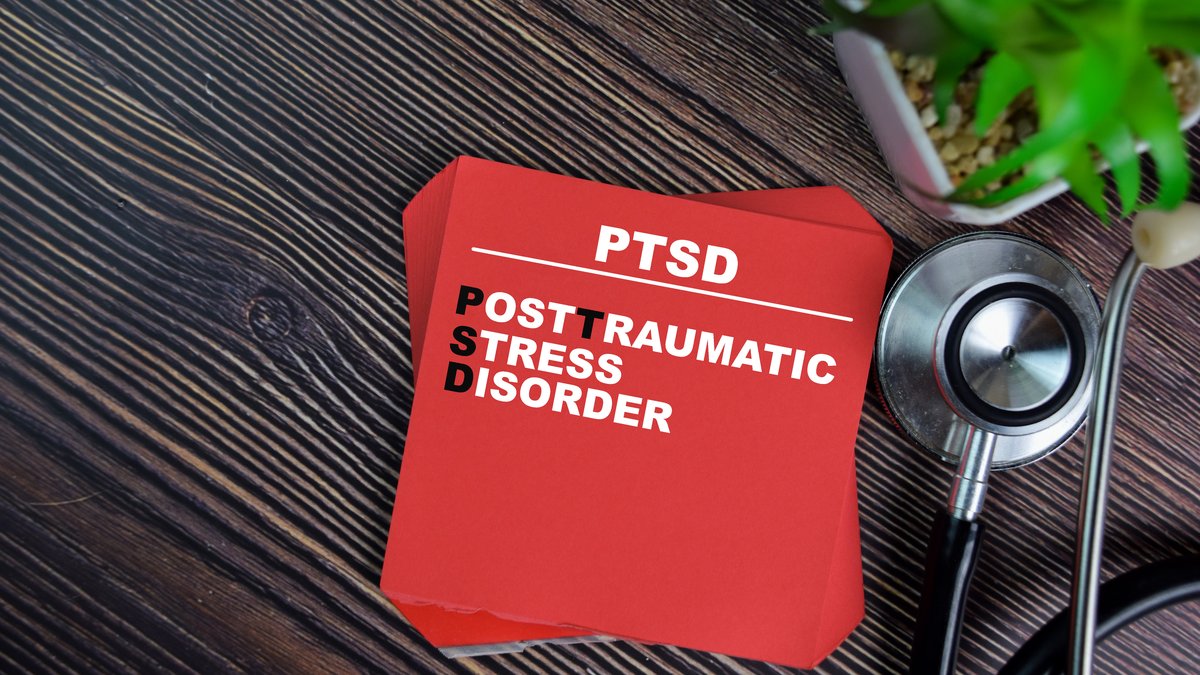
A Mission for Michael has released a guide on prazosin and its efficacy in managing symptoms, especially nightmares and poor sleep quality, associated with post-traumatic stress disorder (PTSD). The guide covers the mechanisms behind the drug and side effects users can expect for both short-term and long-term use.
For more information, please visit https://amfmtreatment.com/blog/prazosin-for-ptsd-exploring-its-uses-effectiveness-and-potential-side-effects/
According to estimates from the World Health Organization, 3.9% of the global population has experienced PTSD at some point in their lives. This mental health disorder arises from traumatic events, often involving symptoms like flashbacks, severe anxiety, and nightmares, which may impair their perception of reality. However, the WHO adds that up to 40% of people with PTSD recover within one year, as long as they receive the appropriate treatment; this can include therapy, medication, or a combination of both.
Prazosin is one medication that may be prescribed off-label to help patients manage PTSD symptoms. While the drug was initially developed to treat high blood pressure, A Mission for Michael’s guide says that research has found that it is particularly effective at reducing the frequency and intensity of nightmares caused by PTSD. This property indirectly improves sleep quality for patients, which can in turn improve mental well-being and accelerate recovery.
Per A Mission for Michael’s guide, prazosin works by inhibiting alpha-1 adrenergic receptors, reducing the activity of norepinephrine, a neurotransmitter involved in stress and fight-or-flight responses in the body. The resulting effect is a reduction in hyperarousal symptoms associated with PTSD, which includes nightmares and anxiety.
The resource adds that prazosin is generally well-tolerated and has minimal metabolic side effects, as it does not affect receptors linked to sedation or weight gain. Users instead commonly report sleepiness, dizziness, and headaches, but these symptoms tend to be transient and will fade with time as the body adjusts.
Most individuals notice improvements in sleep quality and nightmares within the first two weeks of starting prazosin, but the effects may be delayed in those with severe cases of PTSD. A Mission for Michael says that consistency can help users sustain the therapeutic benefits of the medication, so patients should ensure that they take their medication as prescribed by a healthcare professional.
More information is available at https://amfmtreatment.com/