Key Takeaways
- Legitimate GLP-1 telehealth programs require a real clinical evaluation, lab work, and ongoing monitoring — not just a quick online form.
- Red flags like unusually low prices, no required blood work, and zero licensed medical oversight are warning signs that a provider may be cutting dangerous corners.
- Verifying a provider’s credentials independently — through your state’s medical board — is one of the most important steps before starting any GLP-1 program.
- GLP-1 medications are not appropriate for everyone; certain medical histories make them unsafe, and any reputable provider will screen for these upfront.
- Registered nurses play a critical and often underappreciated role in GLP-1 care — from patient education and side effect support to flagging potential contraindications during intake and follow-up conversations.
GLP-1 medications like semaglutide (Wegovy, Ozempic) and tirzepatide (Zepbound, Mounjaro) have become some of the most talked-about tools in weight management. But the surge in demand has opened the door to a flood of providers — some trustworthy, many not. Knowing how to tell the difference is a matter of personal safety.
GLP-1 Telehealth Is Booming — and So Is the Risk
Telehealth weight-loss programs have made GLP-1 medications more accessible than ever. What once required multiple in-person visits and lengthy waitlists can now be initiated from a phone or laptop. For millions of adults, that has been a genuine breakthrough.
But accessibility has a shadow side. The same low-barrier environment that makes telehealth convenient also makes it easy for unqualified or outright fraudulent providers to operate. Fake online pharmacies, unverified compounding operations, and platforms that skip essential clinical steps have all flooded the GLP-1 market. The FDA has specifically flagged concerns about unapproved compounded GLP-1 drugs — including medications arriving warm due to improper storage during shipping, and products with fraudulent pharmacy labeling.
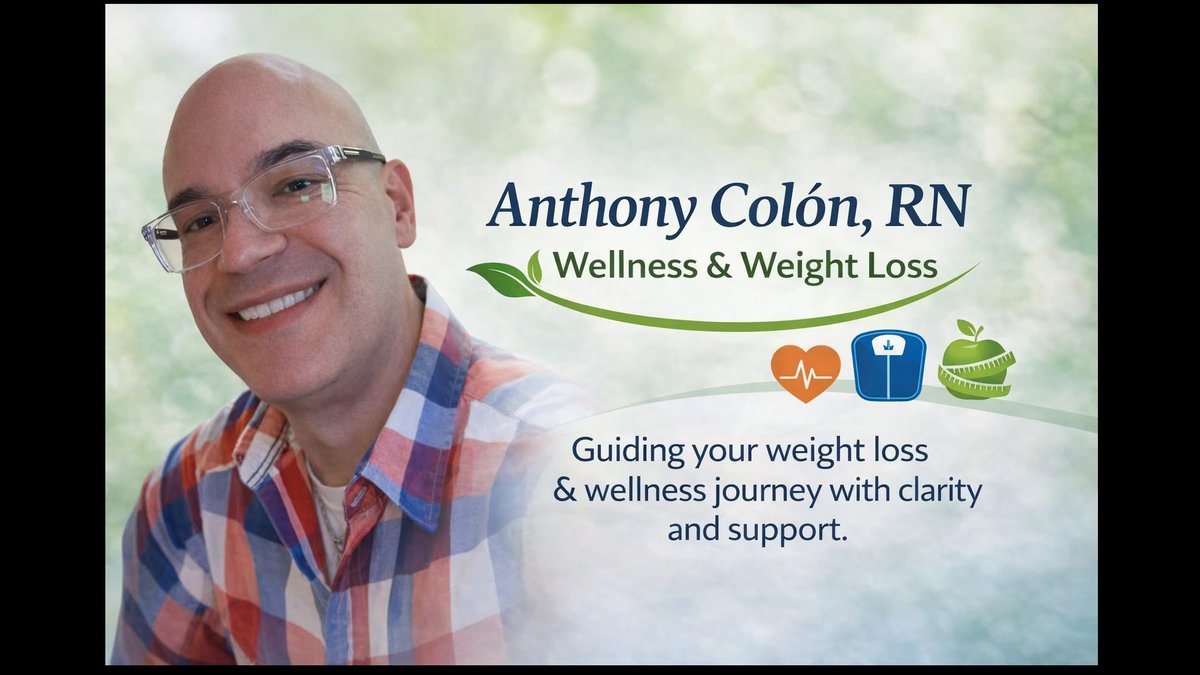
For adults seeking telehealth options, the challenge is not finding a GLP-1 provider — it is finding one worth trusting. Anthony Colón, RN, who provides wellness education for adults considering telehealth weight-loss programs, has been sharing practical guidance on how to evaluate providers before signing up for anything.
What Legitimate GLP-1 Care Actually Looks Like
Before identifying red flags, it helps to understand what good GLP-1 care is supposed to look like. That baseline makes it much easier to spot when something is missing.
Real Clinical Evaluations, Not Checkbox Forms
Reputable telehealth platforms do not hand over a prescription after a five-minute intake quiz. Legitimate providers require a real clinical evaluation — one where a licensed clinician reviews a patient’s full medical history, assesses whether GLP-1 therapy is appropriate, and checks for contraindications before moving forward.
This is not a formality. GLP-1 medications interact with existing conditions and other medications in ways that require genuine clinical judgment. An intake form that feels more like a checkbox exercise than a medical interview is an early indicator that the platform is not taking patient safety seriously. The evaluation should feel thorough — because it should be.
Transparent Pricing and a Clear Prescribing Process
Cost transparency matters. A trustworthy GLP-1 provider will clearly explain what is included in the program fee, what labs or follow-up visits cost, and exactly how the prescribing process works — from evaluation to pharmacy to delivery. There should be no mystery about who is prescribing, under what credentials, and through which licensed pharmacy.
Vague pricing, bundled fees with no breakdown, or programs that make it hard to understand who is actually responsible for a prescription are all signs of a platform that may not have the patient’s best interests in mind. Transparency is not just good business practice in this space — it is a basic clinical standard.
Ongoing Monitoring and Follow-Up Care
GLP-1 therapy is not a one-and-done prescription. It requires active monitoring over time. Responsible providers track key health markers — including kidney function, thyroid levels, HbA1c, and lipid panels — with baseline labs before starting treatment and follow-up labs at regular intervals.
Follow-up care also means having someone available to address dosing questions, side effect concerns, and any changes in health status. A program that goes quiet after the prescription is written is providing a transaction, not clinical care. Ongoing support is non-negotiable in any program worth trusting.
Red Flags That Should Stop You Cold
Once the standard of care is clear, identifying dangerous shortcuts becomes more straightforward. These are the warning signs that deserve immediate pause — and in most cases, a full stop.
1. Unusually Low Prices and No Required Lab Work
If a GLP-1 program is priced significantly lower than competitors, it is worth asking what has been removed to get there. Baseline lab work, licensed clinical oversight, and follow-up monitoring all cost money. When those are stripped out, the price drops — but so does the safety profile.
Platforms that skip required blood work are not just cutting corners on cost; they are bypassing the clinical checks that catch dangerous contraindications before treatment begins. No reputable GLP-1 program starts a patient on medication without first reviewing their labs. If a provider does not ask for labs, that is not a perk — it is a problem.
2. No Licensed Medical Oversight or Supervision
Every legitimate GLP-1 telehealth program must have licensed medical professionals — physicians, nurse practitioners, or physician assistants — overseeing prescribing decisions. That oversight should not just exist on paper; it should be clearly communicated and verifiable.
Be cautious of platforms that are vague about who is supervising care, do not provide clinician credentials, or make it difficult to determine who is actually responsible for a patient’s prescription. The absence of identifiable, licensed medical oversight is one of the most serious red flags in this space. It means no one with the appropriate training is accountable for what is being prescribed.
3. High-Pressure Sales Tactics and No Safety Disclaimers
Trustworthy GLP-1 providers do not need to rush patients into decisions. High-pressure sales tactics — urgency language, limited-time offers, or messaging that frames GLP-1 medications as appropriate for everyone — are red flags rooted in profit-driven motivation rather than clinical care.
Equally telling is the absence of safety disclaimers. Any credible provider advertising GLP-1 medications should include clear information about who the medication is contraindicated for, and should explicitly caution against use during pregnancy. A program that presents GLP-1 drugs as universally safe, with no caveats, is either uninformed or deliberately misleading — neither of which is acceptable in a clinical setting.
4. Compounded GLP-1 Drugs From Unverified Sources
Compounded GLP-1 medications occupy a complicated regulatory space. While some compounding pharmacies operate legally and safely under state and federal oversight, many do not — and distinguishing between them is not always easy for consumers.
The FDA has raised specific concerns about compounded GLP-1 products arriving with improper storage conditions and fraudulent labeling that lists fake pharmacy information. Before accepting any compounded GLP-1 prescription, it is worth verifying that the compounding pharmacy is state-licensed and accredited — and that the prescribing clinician can clearly explain why a compounded version is being used instead of an FDA-approved drug. If that explanation is absent or evasive, walk away.
How to Actually Verify a Provider’s Credentials
Knowing that credentials matter is one thing. Knowing how to verify them is another. These steps are practical, accessible, and take less time than most people assume.
Check Your State’s Medical Board Registry
Every state maintains a publicly accessible medical board registry where any licensed physician, nurse practitioner, or physician assistant can be looked up by name. These databases confirm whether a clinician holds an active license in the patient’s state, whether any disciplinary actions have been taken, and whether the license type matches what the provider claims.
For telehealth providers operating across state lines, the clinician prescribing to a patient typically needs to be licensed in the patient’s state of residence. If a platform cannot confirm where their prescribing clinicians are licensed, that is worth pressing on — and if the answer is evasive, that is a red flag in itself.
Ask the Provider for Credentials — Then Verify Independently
Reputable providers welcome questions about their clinicians’ credentials. Asking for the name and license type of the prescribing clinician — then looking that information up independently on the relevant state registry — is a simple but powerful verification step.
Do not rely solely on the platform’s own website to confirm credentials. Third-party verification through official state databases is the standard. Any provider that resists this level of transparency, or makes it unnecessarily difficult to find out who is prescribing, is signaling that scrutiny is not welcome — which is itself a reason for concern.
Why a Registered Nurse’s Role Matters in GLP-1 Care
In many telehealth weight-loss programs, registered nurses serve as the bridge between the prescribing clinician and the patient’s day-to-day experience. That role carries more weight than it often gets credit for.
Supporting Contraindication Screening and Patient Safety
One of the most valuable things a trained RN brings to GLP-1 care is attentiveness during intake and follow-up conversations — including asking about personal and family medical history that may be relevant to contraindications. GLP-1 medications are contraindicated for individuals with a personal or family history of medullary thyroid cancer (MTC) or Multiple Endocrine Neoplasia syndrome type 2 (MEN2), and should generally be avoided during pregnancy. These are clinical realities that a well-trained nurse will raise during intake or follow-up, even when a patient has not thought to mention them. In programs where nursing support is robust and properly licensed, patients benefit from an additional layer of clinical engagement that purely transactional platforms simply do not provide.
Education, Side Effect Support, and Honest Guidance
Beyond screening conversations, RNs in GLP-1 programs play a direct role in patient education — explaining what to expect from the medication, how to manage common side effects like nausea or fatigue, and how to recognize anything that warrants contacting a clinician. That kind of informed, ongoing support meaningfully improves both safety and adherence.
Honest guidance matters here too. A nurse who gives straightforward answers about what GLP-1 therapy can and cannot do — including its limitations — builds the kind of trust that leads to better outcomes. Patients who understand their treatment make better decisions throughout it. That is not just good nursing; it is good medicine.
Who Should Never Take GLP-1 Medications
GLP-1 medications are not appropriate for everyone, and responsible providers make this clear from the start. There are specific medical conditions and circumstances that make these drugs unsafe — and screening for them is a fundamental part of any legitimate intake process.
GLP-1 receptor agonists are contraindicated for anyone with a personal or family history of medullary thyroid carcinoma (MTC) or Multiple Endocrine Neoplasia syndrome type 2 (MEN2). These are non-negotiable clinical exclusions, not soft cautions. They should appear in any responsible program’s intake screening — and the fact that they are known contraindications should be communicated clearly to patients, not buried in fine print.
GLP-1 medications should generally be avoided during pregnancy. For those who are breastfeeding, the guidance is more nuanced: while these medications are generally advised against due to limited data, recent information for tirzepatide (Mounjaro) suggests it passes into breast milk in very low amounts and is not expected to be absorbed by a breastfed infant — though consultation with a physician is still recommended before making any decision. Any platform advertising these medications without clearly stating these exclusions is not operating to a clinical standard. If a provider’s messaging presents GLP-1 therapy as appropriate for almost anyone — or avoids mentioning contraindications altogether — that omission speaks volumes about how they approach patient safety.
Safe GLP-1 Care Starts With Asking the Right Questions
The most empowered position any patient can take is an informed one. Before enrolling in any GLP-1 telehealth program, there are specific questions worth asking — and the quality of the answers will tell a great deal about the program itself.
- Who is the licensed prescriber, and can their credentials be independently verified?
- What lab work is required before starting treatment?
- How is ongoing monitoring handled, and how often?
- Is there a nurse or clinical support person available for questions and side effect management?
- What are the contraindications for this medication, and how does the program screen for them?
- If a compounded GLP-1 is being offered, which pharmacy is dispensing it — and is it accredited?
A legitimate program answers these questions directly and without hesitation. Vague answers, deflection, or frustration at being asked are informative in their own right. Safe GLP-1 care is not complicated to identify — it is a matter of knowing what to look for and being willing to ask before committing.
Patients who take the time to evaluate their options carefully are not being difficult. They are being responsible. And in a market where quality varies as dramatically as it does right now, that kind of informed consumer behavior is exactly what drives better standards across the board.
For ongoing wellness education and guidance on selecting safe telehealth weight-loss programs, Anthony Colón, RN | Wellness & Weight Loss offers practical, nurse-backed insights for adults who want to make informed decisions about GLP-1 care.