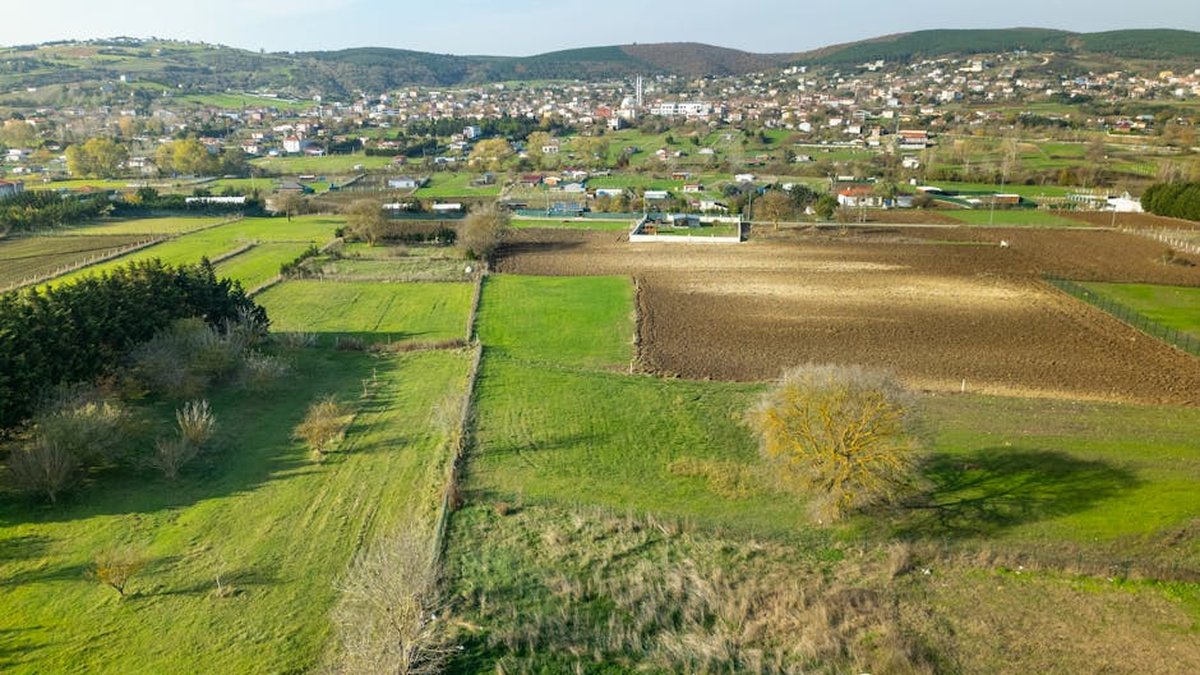
Owning Land You Rarely See
It is common to end up owning land in a state where you no longer live — a situation many Southwest US property owners know well. Maybe you inherited a parcel from a relative, relocated years ago, or bought a lot as an investment and never returned to it. Whatever the reason, selling that property from a distance brings a distinct set of logistical questions that a typical home sale rarely involves.
Why Distance Changes The Process
Selling land from hundreds of miles away makes it hard to walk the boundary lines, meet a buyer for a showing, or respond quickly to a title company. Some owners turn to companies that buy land directly instead of a traditional listing, since it removes the need for in-person visits. According to the land specialists at Land Avion, many such sellers have never stood on the parcel.
What The Land Market Data Shows
Land sales nationwide grew modestly through 2025, according to a Land Market Report from the Realtors Land Institute and the National Association of Realtors, which found sales volume up 0.8% and per-acre prices up 1.5% for the year. Even in a cautious market, land has continued to hold its value, which matters for anyone deciding when to sell rather than wait.
Getting A Fair Price From Afar
Pricing a distant Southwest US property fairly starts with data rather than guesswork. County assessor records show recent sale prices for similar parcels nearby, giving a useful benchmark before any offer is accepted. A short call with a local appraiser or land specialist can also clarify how zoning, access, and terrain affect value, since these factors matter more for land than for a finished home.
Handling Viewings Without Being There
Showings are one of the trickiest parts of a long-distance sale. Many owners hire a local property manager or real estate professional to meet prospective buyers on site, while photos, drone footage, and short videos help interested parties assess the land before ever scheduling an in-person visit. A clear description of boundaries and access points also cuts down on unnecessary trips.
Getting The Paperwork Right
Closing on land you cannot visit in person is usually manageable, but it does take some planning. A power of attorney lets a trusted representative sign documents locally, and many title companies now offer remote online notarization for out-of-state sellers. Having the deed, survey, and any existing liens organized in advance keeps closing on schedule and avoids last-minute delays.
Weighing Your Selling Options
Southwest US owners generally choose between listing with a local agent, selling directly to a land buying company, or, less commonly, taking the property to auction. A listing agent can access the broadest pool of buyers but often takes longer to close and involves standard commission fees. A direct sale usually moves faster and shifts more of the paperwork onto the buyer, though pricing is typically firmer.
A Practical Path Forward
Selling land in another state does not have to mean repeated flights or months of uncertainty. Verifying value through county and market data, arranging remote viewings, and preparing paperwork in advance all shrink the gap that distance creates. For owners who want to avoid the logistics, selling land directly to a specialist buyer remains one of several practical routes worth comparing before making a decision.