Key Takeaways
- Studies suggest that roughly one in three people with gastrointestinal symptoms test positive for SIBO, and bloating is often the most disruptive complaint.
- Naturopathic treatment follows a structured, three-phase approach - preparation, eradication, and rehabilitation - that addresses root causes, not just symptoms.
- Herbal antimicrobials like berberine, oregano oil, and allicin have demonstrated effectiveness comparable to conventional antibiotics, often with fewer side effects.
- Diet alone won't cure SIBO - but understanding why it keeps coming back is the key to lasting relief (more on that below).
Why Your Bloating May Be More Than a Food Issue
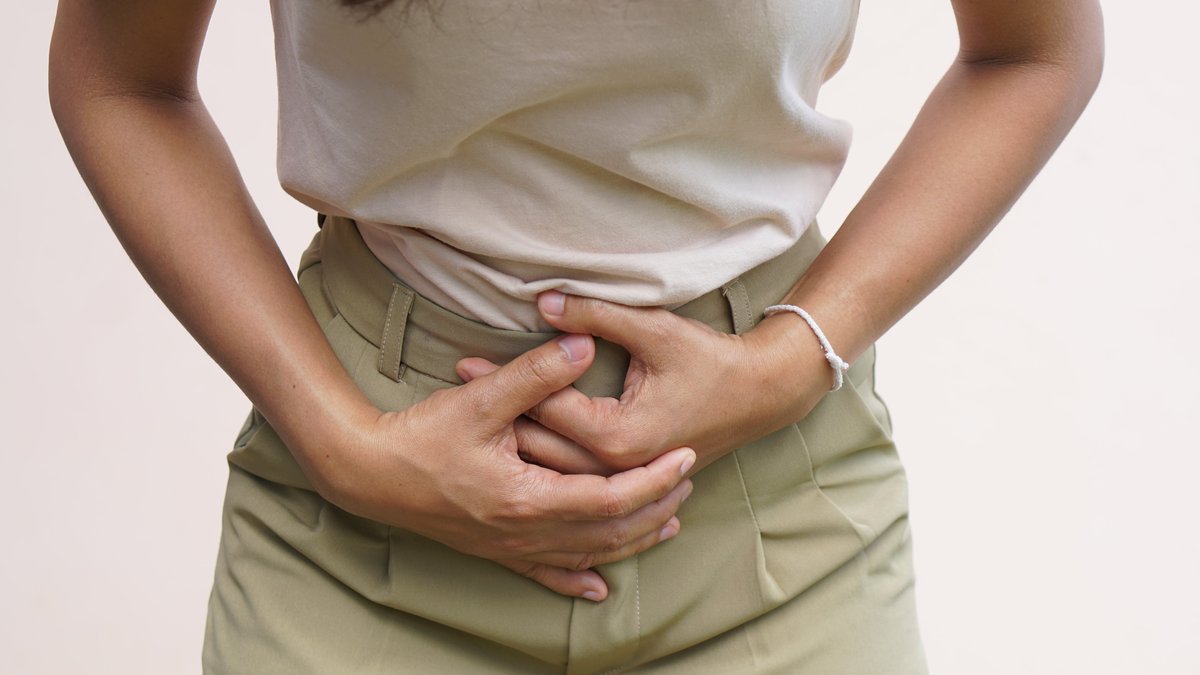
Bloating that arrives out of nowhere, worsens after meals, and refuses to budge no matter what is eaten—it's exhausting. For many people, that bloating isn't random. It has a name: Small Intestinal Bacterial Overgrowth (SIBO), a condition that often requires targeted treatment to address underlying digestive issues.
A review published in the World Journal of Gastroenterology found that a significant proportion of patients with gastrointestinal symptoms - roughly one in three - tested positive for SIBO. SIBO occurs when bacteria accumulate in excessive numbers in the small intestine, a place that should remain relatively low in bacterial populations. The result is a cascade of symptoms: bloating, gas, abdominal pain, and unpredictable bowel movements that disrupt daily life.
What makes SIBO particularly frustrating is that it's frequently missed or misdiagnosed. According to Dr. Derek Cook, a Calgary-based Naturopathic Doctor, persistent digestive dysfunction often requires a structured, individualized approach when conventional care hasn't provided lasting answers.
What's Actually Happening in Your Gut
To understand why SIBO causes such dramatic bloating, it helps to picture what's going wrong inside the digestive tract.
Why Bacteria Overgrow in the Small Intestine
The small intestine is responsible for digesting and absorbing nutrients. It relies on a relatively clean environment to do that job well. When bacteria migrate from the large intestine - or when the body's natural defence mechanisms break down - those bacteria begin fermenting carbohydrates in the small intestine. That fermentation produces hydrogen and methane gas, which stretches the intestinal walls and creates that signature, uncomfortable bloat.
Several factors can set the stage for this overgrowth: slow gut motility (food and bacteria not moving through quickly enough), low stomach acid (which normally acts as a bacterial gatekeeper), structural abnormalities in the gut, and immune system dysfunction. When one or more of these systems falters, bacteria find the small intestine a hospitable place to settle in.
The SIBO-IBS Connection
There's a significant overlap between SIBO and Irritable Bowel Syndrome (IBS) that often surprises patients. A meta-analysis found that around 54% of IBS cases may actually test positive for SIBO. Many people who have been managing what they believe is IBS for years are, in fact, dealing with undiagnosed bacterial overgrowth. When SIBO is properly treated, IBS symptoms frequently resolve alongside it - a meaningful insight for anyone who has been chasing IBS relief without success.
Naturopathic Treatment: A Phased Approach
Treating SIBO effectively means working through the problem systematically. A symptom-only approach - cutting out foods, taking a probiotic, hoping for the best - rarely delivers lasting results. Naturopathic care addresses SIBO in distinct phases, each with a specific purpose.
Herbal Antimicrobials vs. Antibiotics
The standard medical treatment for SIBO typically involves the antibiotic rifaximin, sometimes combined with neomycin. These can be effective, but recurrence rates remain high, and some patients experience side effects or incomplete resolution.
Herbal antimicrobials offer a well-supported alternative. Compounds like berberine, oregano oil, allicin (from garlic), and neem have demonstrated antibacterial activity comparable to pharmaceutical options in clinical research - often with a broader spectrum of action and a more favourable side-effect profile. These botanicals can be used alone or in combination, tailored to the type of SIBO present (hydrogen-dominant vs. methane-dominant), which influences both herb selection and treatment duration.
Repairing the Gut Lining and Restoring Motility
Bacterial overgrowth doesn't just cause bloating - it damages the intestinal lining over time, contributing to increased intestinal permeability (sometimes called "leaky gut"). After the eradication phase, gut-lining support using nutrients commonly recognized for mucosal barrier health - such as L-glutamine, zinc carnosine, and deglycyrrhizinated liquorice (DGL) - can aid in restoring the intestinal lining.
Restoring gut motility is equally important. The migrating motor complex (MMC) is the gut's natural cleansing wave - it sweeps bacteria through the small intestine between meals. When the MMC is sluggish, bacteria accumulate. Natural prokinetics like ginger and artichoke extract are used to stimulate MMC activity, reducing the risk of bacterial stagnation and relapse.
Rebuilding a Healthy Microbiome
Once bacterial overgrowth has been cleared and the gut lining is healing, the focus shifts to rebuilding a balanced, diverse microbiome. This stage involves the strategic use of probiotics and prebiotics, introduced carefully to avoid re-feeding residual bacteria. Timing matters here - probiotics introduced too early in the process can backfire, which is why phased implementation under professional guidance makes a meaningful difference.
Dietary Strategies That Ease - But Don't Cure - SIBO
Diet plays a supporting role in SIBO management, but dietary changes alone do not eradicate bacterial overgrowth. They reduce the fuel available to the bacteria, which can significantly ease bloating and discomfort - but the bacteria remain.
The most commonly used approaches include:
- Low-FODMAP diet - reduces fermentable carbohydrates that bacteria feed on, offering symptom relief during treatment
- SIBO-Specific Food Guide - a more targeted elimination approach combining low-FODMAP and specific carbohydrate principles
- Elemental diet - a liquid diet using pre-digested nutrients that essentially starves bacteria; typically reserved for more severe or resistant cases
These strategies work best when used alongside antimicrobial treatment, not as a standalone solution. Prolonged restrictive eating without addressing root causes can also contribute to nutritional gaps and an overly limited diet that becomes difficult to sustain.
Lifestyle factors matter too. Stress management, adequate sleep, and regular physical activity all support the gut-brain connection and play a meaningful role in recovery - particularly given how significantly stress can impair gut motility and immune function.
Realistic Recovery Timeline
Recovery from SIBO is not a straight line, and setting realistic expectations matters. The process unfolds in phases, with total recovery potentially spanning several months to a year, depending on the severity of overgrowth, how long symptoms have been present, and how well the underlying causes are addressed.
Phase 1: Preparation (~2 Weeks)
Before diving into antimicrobial treatment, the groundwork needs to be laid. This phase involves confirming the diagnosis (typically through a breath test), identifying contributing factors like low stomach acid or motility issues, and beginning dietary adjustments. Supporting digestion and reducing bacterial load gently before the eradication phase improves overall outcomes.
Phase 2: Eradication (6-10 Weeks)
This is the core of treatment. Herbal antimicrobials - or antibiotics, where appropriate - are used consistently over six to ten weeks to reduce bacterial populations in the small intestine. The length of this phase depends on the type of SIBO (hydrogen vs. methane) and the severity of the overgrowth. Methane-dominant SIBO generally requires longer and more aggressive treatment. Symptoms may temporarily worsen in the first one to two weeks as bacteria die off - a normal, expected response.
Phase 3: Rehabilitation (2-6 Months)
After eradication, the gut needs time and support to fully heal. This phase focuses on repairing the intestinal lining, reintroducing foods gradually, restoring motility with prokinetics, and rebuilding the microbiome. Retesting with a breath test helps confirm clearance and guides next steps. Full symptom resolution commonly takes two to six months in this phase, though many patients notice meaningful improvement much earlier.
Why SIBO Keeps Coming Back
One of the most common and demoralising experiences with SIBO is clearing it - only to have symptoms return months later. Recurrence isn't a sign that treatment failed; it's a sign that an underlying cause wasn't fully addressed.
Root Causes: Motility, Stomach Acid, and Immune Function
Sustainable recovery depends on identifying and correcting the conditions that allowed SIBO to develop in the first place. The most common root causes include:
- Impaired gut motility - a sluggish MMC allows bacteria to accumulate between meals; long-term prokinetic support may be needed
- Low stomach acid (hypochlorhydria) - stomach acid is a frontline defence against bacterial overgrowth; chronic antacid use, aging, or prolonged stress can reduce it significantly
- Immune system dysfunction - secretory IgA (an immune compound in the gut lining) plays a key role in keeping bacterial populations in check
- Structural issues - adhesions, strictures, or a history of abdominal surgery can create pockets where bacteria stagnate
Addressing these root causes - not just the overgrowth itself - is what separates a short-term fix from a durable recovery.
Looking Beyond Symptom Management
SIBO is one of the more complex digestive conditions to manage because it can involve motility, immune function, diet, stress, and gut structure simultaneously. While treatment may involve dietary changes, medications, and other interventions, naturopathic treatment for SIBO can also play a role in a comprehensive, individualized care plan. Working with an experienced naturopath for SIBO can help ensure treatment is tailored to your specific symptoms, health history, and underlying factors.
Recovery timelines vary from person to person, but many people experience meaningful improvements when the underlying causes are identified and addressed. With an individualized treatment plan, regular follow-up, and a commitment to long-term gut health, it is possible to reduce recurring symptoms and support lasting improvements in digestive function.