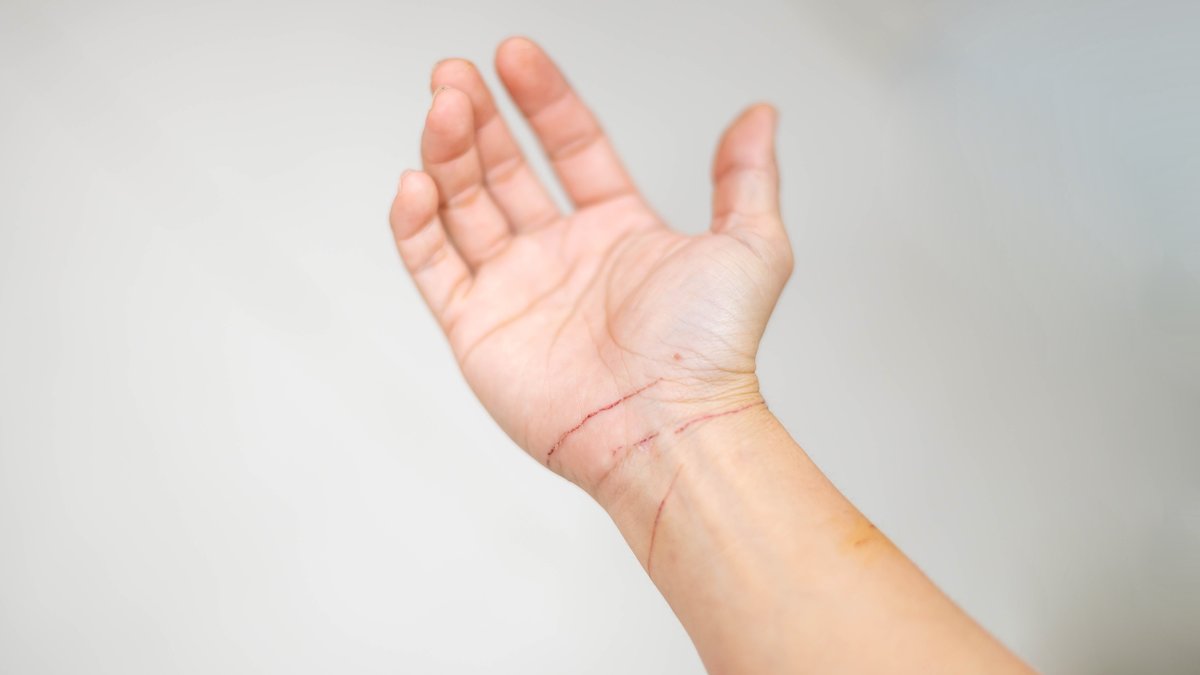
Clearfork Academy has released a new youth mental health guide intended for parents. The treatment center aims to help parents recognize if their teen is self-harming, and as such, its resource covers the warning signs that indicate self-injury and should alert parents to their child’s mental health struggles.
For more information, please visit https://clearforkacademy.com/blog/6-warning-signs-of-self-harm-in-teens-that-parents-should-know/
Per Clearfork Academy’s guide, one of the most obvious signs of self-harm is unexplained wounds on the skin. These can appear as uniform scars, small burns, bruises, or scratch patterns and often occur in clusters of repeated injuries in the same location. The most common sites of self-injury are the arms and wrists, but teens may also inflict wounds on their torsos, thighs, hips, shoulders, and upper back. As self-harming individuals usually keep the tool they use accessible, parents who discover dangerous objects hidden in their child’s room have a strong case to suspect self-harm.
Clearfork Academy also says that teens who are self-harming typically have depression or other mental disorders, and they may isolate themselves as a result. If parents notice their teen avoiding social activities that they used to enjoy and no longer show interest in connecting with friends or family over an extended period of time, they should treat it as an indication of an unseen mental health issue.
Beyond visible wounds and social withdrawal, Clearfork Academy says that self-harming individuals may wear concealing clothing even in warm weather and refuse to remove accessories hiding their injuries or dress in clothes that expose their skin. While this behavior is not definitive proof of self-harm, it should be considered a red flag when combined with other warning signs.
Finally, Clearfork Academy’s resource notes that teens who self-harm often struggle with emotional regulation and may exhibit extreme reactions to stress or rejection. They also may become defensive, angry, or ashamed when asked about their wounds.
To help a self-harming teen, Clearfork Academy says that parents should approach their teen calmly and ask open-ended questions about their well-being. If the teen confirms they have been self-harming, parents are strongly encouraged to seek professional aid from a therapist specializing in adolescent mental health, as self-harm is a severe mental health issue that requires treatment.
More information is available at https://clearforkacademy.com/