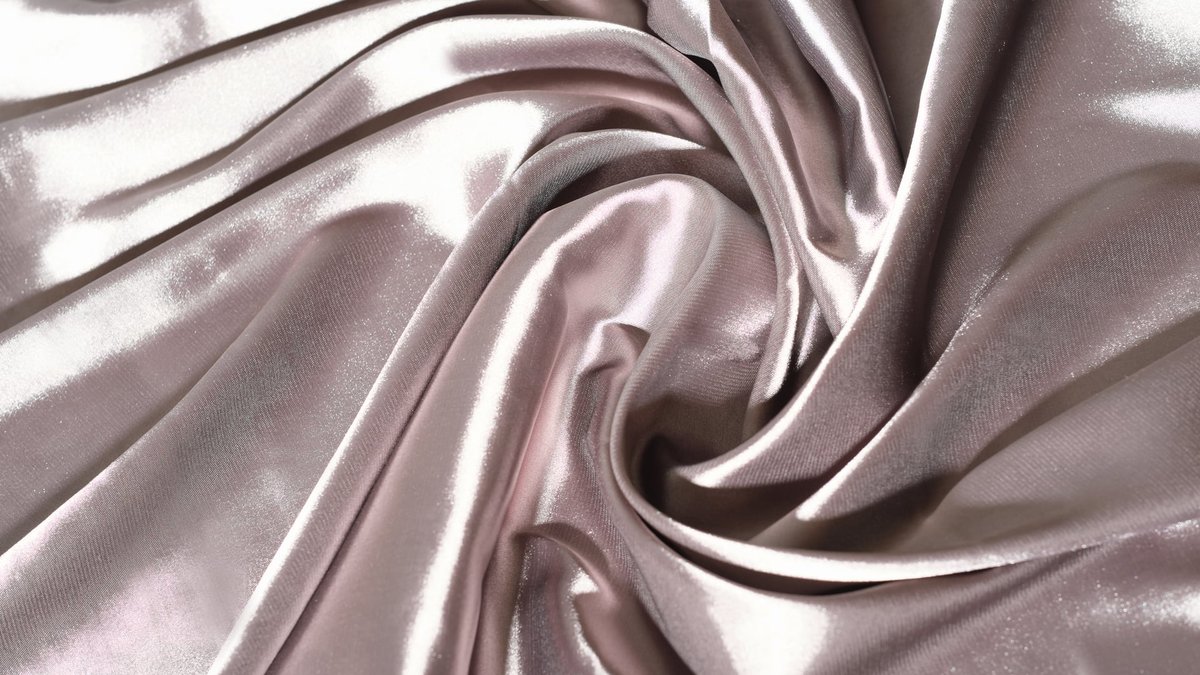
Key Takeaways:
- Silk satin and charmeuse share the same satin weave construction, but charmeuse is lighter and more fluid while silk satin carries more weight and structure - making each suited to very different applications.
- Momme weight is a significant factor in how either fabric drapes: lower momme generally means more fluid movement, while higher momme typically provides more body and hold, though extremely high momme can reduce fluidity.
- Fibre grade matters more than weave type - 6A mulberry silk in either construction outperforms lower-grade silk in both feel and longevity.
- Charmeuse typically runs slightly more expensive per yard than silk satin, yet both lose their core appeal entirely in synthetic versions.
- Sewing difficulty, care requirements, and best use cases differ significantly between the two - keep reading to find out which fabric actually fits the project at hand.
Two fabrics, one weave structure, and a genuinely confusing amount of conflicting advice online. Silk satin and charmeuse are frequently grouped together - and just as frequently mixed up - leaving crafters and luxury fabric buyers unsure which to reach for. The difference comes down to weight, drape behaviour, and what each fabric is actually built to do.
Same Weave, Very Different Fabrics
Both silk satin and charmeuse are produced using a satin weave, where threads float over multiple warp yarns before interlacing. That float ratio creates the characteristic lustrous face and matte reverse shared by both fabrics. So far, so similar.
Where they diverge is in construction detail. Charmeuse uses a lighter float ratio and finer threads, producing a fabric that feels almost liquid in the hand. Silk satin typically uses a denser construction and heavier yarns, giving it more surface gloss and considerably more body. Think of charmeuse as the lighter, whisper-soft interpretation of the weave, and silk satin as its polished, structured counterpart.
How Weight Separates Them
Weight is the most practical distinction between these two fabrics, measured in momme (mm) - the traditional unit used to express silk fabric density.
Charmeuse: Lightweight & Fluid
Charmeuse typically falls between 12 and 30 momme, though most wearable versions sit toward the lighter end of that range. That lower weight is precisely what gives charmeuse its signature fluidity - it moves with the body rather than holding a shape independently. Pick up a length of quality charmeuse and it flows through the fingers with almost no resistance.
Silk Satin: Heavier & More Structured
Silk satin covers a broader weight spectrum, from lighter everyday weights through to heavy Duchess satin, which can reach around 220 GSM. At the heavier end, the fabric holds a silhouette with minimal support - exactly what structured tailoring and formal garments require. Heavier Duchess satin is often chosen for sculpted ballgowns due to its structural stability and high gloss, illustrating why weight selection is crucial for formal garments.
Drape: Which Moves Better?
"Better" drape depends entirely on the intended outcome. Charmeuse drapes with gravity - it conforms to the body's contours, flows outward with movement, and clings gently without stiffness. Silk satin drapes too, but with more resistance; it holds a defined line rather than melting into curves. For bias-cut gowns and lingerie, charmeuse is the stronger choice. For a structured bodice or a formal skirt that needs to hold its bell shape, silk satin is the more reliable option.
Momme Weight's Role in Drape
Here is the nuance that catches most buyers out: a higher momme weight generally reduces drape fluidity regardless of which fabric it is in, though extremely high momme weights can make a fabric stiffer rather than simply more structured. A 30 momme charmeuse will behave more like a structured satin than a 16 momme version will. Conversely, a lightweight silk satin at 16 momme can flow quite softly. The weave type sets the baseline; the momme weight shapes the final behaviour. For silk bedding, a momme weight of at least 22 is widely recommended for durability, while anything below 19 momme may not hold up well to regular washing over time.
Best Uses for Each Fabric
When to Choose Charmeuse
- Flowing dresses and bias-cut gowns - the fluid drape follows the body's natural line without any additional structure.
- Lingerie and intimate wear - lightweight and soft against skin, with a subtle sheen that reads as luxurious without being overtly shiny.
- Scarves and lightweight wraps - drapes and moves beautifully when worn loosely.
- Silk bedding - particularly at 22-25 momme, where the fabric is soft enough for comfort but substantial enough to last.
When to Choose Silk Satin
- Bridal gowns and formalwear - the structure holds a silhouette through a full evening without collapsing.
- Tailored jackets and structured skirts - silk satin responds well to pressing and holds clean seam lines.
- Home décor - cushion covers, drapes, and decorative pillows benefit from satin's ability to hold shape and display its gloss evenly.
- Luxury lingerie with some structure - heavier silk satin provides more coverage and body than charmeuse while still feeling refined.
Fibre Quality Matters More Than Weave
The fibre underneath determines how the finished fabric feels, breathes, and ages - a point that often gets buried under weave comparisons. A charmeuse woven from polyester will feel slippery in a cheap, artificial way, won't regulate temperature, and degrades quickly. A charmeuse woven from 6A grade mulberry silk - the highest commercially produced grade - will feel genuinely soft, breathe naturally, and retain its drape wash after wash.
6A mulberry silk is produced from Bombyx mori silkworms fed exclusively on mulberry leaves, yielding long, continuous filaments with minimal irregularity. Those long filaments translate directly into a smoother surface, more consistent drape, and noticeably better longevity compared to lower-grade silk with shorter, less uniform threads. The weave type sets the character of a fabric; the fibre grade sets its ceiling.
Sewing & Handling Differences
Charmeuse is notoriously difficult to work with. Its slippery surface shifts under the presser foot, and the fine threads pucker easily if tension is not perfectly set. Best practices include:
- Using a sharp, fine needle (size 60-70 for most weights)
- Pinning and cutting on a single layer to prevent shifting
- Placing tissue paper beneath the fabric when stitching to reduce slippage
- Finishing seams with French seams or narrow rolled hems to prevent fraying
Silk satin is more cooperative but still demands care. Its glossy surface shows every pressing mistake, pin hole, and uneven seam, so patience matters. Both fabrics benefit from hand washing or dry cleaning; machine washing on anything but the gentlest cycle risks damaging the weave structure permanently.
Price Comparison at a Glance
In the UK market, silk charmeuse typically runs from £45 to £115 per yard, reflecting the finer, more delicate weave process. Silk satin sits slightly lower at £40 to £100 per yard, with heavier Duchess-weight versions reaching the upper end. Both prices assume genuine mulberry silk - synthetic alternatives exist at a fraction of the cost but deliver a fraction of the experience. The breathability, temperature regulation, and skin feel that justify the price point are not replicable in polyester.
6A Grade Fibre, Momme Weight Decides the Rest
6A: The Highest Silk Fibre Grade
Silk is graded on a scale from A to 6A, with 6A representing the longest, most uniform, and least blemished filaments available. At this grade, the resulting fabric has a cleaner sheen, a more consistent surface, and a tactile softness that lower grades cannot match. Mayfairsilk sources exclusively 6A mulberry silk across its bedding and sleepwear range - pillowcases at 25 momme, sheet sets at 22 momme - both exceeding the 19 momme entry-level figure, with 22 momme being a more widely recommended standard for silk bedding durability.
Momme Weight Sets the Final Drape
Once the fibre grade is established, momme weight becomes the final dial. For wearable silk - whether charmeuse or satin - lower momme weights (12-19) produce the most fluid, body-skimming drape. Mid-range weights (20-25) balance drape with durability, making them well suited for bedding and garments that see regular use. Heavier weights (28+) trade fluidity for structure and longevity, best reserved for formal tailoring or home textiles that need to hold their shape over years of use.
The weave type gives silk its character. The fibre grade and momme weight decide everything else.