Key Takeaways
- Mesenchymal stem cells (MSCs) can meaningfully improve skin elasticity, hydration, and tone by boosting the skin's own regenerative processes - not just masking signs of aging.
- Treatment options range from injections and microneedling combinations to topical serums, and the right approach depends on individual skin goals and condition.
- Exosome therapy is an emerging, promising option that delivers growth factors directly to skin cells - worth considering for those who want a less invasive route.
- South Korea regulates stem cell therapies, so choosing a clinic that operates within those guidelines matters significantly for safety and results.
- A personalized consultation is the most reliable way to match a specific skin concern to the correct protocol - and that process looks different for everyone.
Skin that looks tired, dull, or older than it should often reflects real biological changes happening beneath the surface. Stem cell skin rejuvenation works at that deeper level, supporting the skin's ability to repair and renew itself. The options available today are more varied and refined than most people realize, and understanding the differences between them is what makes it possible to choose wisely.
How Aging Slows the Skin's Natural Renewal Process
Skin is constantly being broken down and rebuilt. During younger years, that rebuilding happens fast enough to keep pace - fine lines fill in, minor damage repairs, and the skin stays firm. As the body ages, however, the rate of new cell generation slows while the rate of tissue breakdown accelerates. The result is a gradual shift that shows up as wrinkles, sagging, uneven tone, and lost volume.
At the cellular level, this happens partly because the skin's native stem cell population becomes less active over time. These cells normally drive the regeneration of collagen, elastin, and new skin layers. When their output drops, the skin loses its structural foundation. Environmental factors - UV exposure, pollution, stress - speed up that process by adding inflammation and oxidative damage on top of the natural slowdown.
This is the biological gap that stem cell therapy is designed to fill: reintroducing regenerative signals that aging skin has stopped producing on its own.
What Mesenchymal Stem Cells Do for Skin
Mesenchymal stem cells (MSCs) are the workhorses of most skin rejuvenation protocols. They are well-studied for their regenerative and immunomodulatory properties - meaning they both stimulate repair and calm the inflammation that accelerates aging. Clinical studies have shown improvements in skin elasticity, hydration, and wrinkle depth following MSC-based treatments, with results that tend to look natural precisely because they work through the body's own mechanisms.
Collagen and Elastin Restoration
Collagen gives skin its structural strength; elastin allows it to snap back after movement. Both decline with age. MSCs help reverse this by stimulating fibroblasts - the cells responsible for producing collagen and elastin - to become more active again. The effect is a biological reset that makes skin genuinely firmer and more resilient over time. Scientific research on adipose-derived stem cells and their secretory factors has demonstrated meaningful improvements in aging skin parameters, which aligns with what is observed clinically.
Improving Skin Tone and Reducing Dark Spots
Hyperpigmentation and uneven tone often result from inflammation-driven melanin overproduction. MSCs address this through their anti-inflammatory properties, which help regulate the signals triggering excess pigment. Patients with age spots, melasma, or post-acne discoloration often report a more even, radiant tone following treatment - not because pigment is chemically stripped, but because the underlying inflammatory trigger is reduced.
Autologous vs. Allogeneic: Which Cells Are Used?
The source of the stem cells used in treatment is a meaningful variable, not just a technical footnote.
- Autologous stem cells come from the patient's own body - typically fat tissue or bone marrow. Because the cells are the patient's own, immune rejection risk is essentially eliminated, and the treatment is highly personalized. This approach is generally preferred when long-term compatibility and individual customization are priorities.
- Allogeneic stem cells come from a screened healthy donor. These are more readily available and do not require a harvesting procedure from the patient. They are rigorously processed before use, and while immune considerations exist, advancements in immune response management have made allogeneic treatments a practical option for many people.
The right choice depends on the patient's health profile, treatment goals, and the specific protocol recommended after clinical assessment. There is no universal answer - which is exactly why consultation matters before committing to either path.
Treatment Delivery Methods
Stem Cell Injections vs. Synthetic Dermal Fillers
Synthetic dermal fillers - hyaluronic acid, calcium hydroxyapatite - work by physically adding volume beneath the skin. The results can be immediate and visible, but they are temporary and do not change what the skin does on its own. Stem cell injections take a different approach: they deliver regenerative signals directly into the dermis, prompting the tissue to produce its own structural proteins. The timeline is longer, but the results continue to develop as the cells do their work. For patients who want outcomes that improve naturally over weeks rather than overnight, stem cell injections offer something fillers simply cannot.
Microneedling Combined with Stem Cells
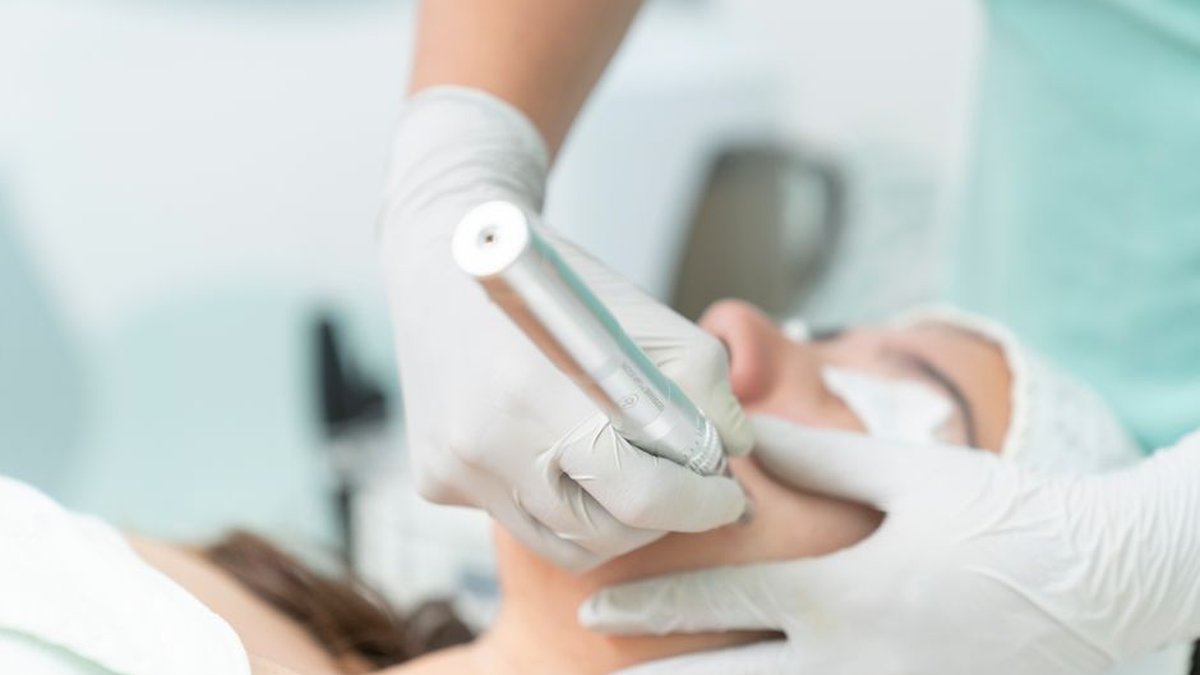
Microneedling creates micro-injuries in the upper skin layers using fine needles. On its own, it stimulates collagen through controlled wound healing. Paired with stem cell serums or growth factors applied immediately after, those micro-channels allow the active ingredients to penetrate far more deeply than topical application alone would permit. The combination produces better texture improvement, tighter pores, and stronger collagen remodeling than either approach delivers in isolation. This protocol is widely used at aesthetic clinics across Seoul.
Topical Serums and Creams as Supportive Care
Topical stem cell-derived products - serums and creams containing growth factors, peptides, or conditioned media from stem cell cultures - do not deliver live cells but do transfer beneficial signaling molecules. They work best as maintenance between in-clinic treatments, helping sustain results and protect skin barrier function. Ingredients to look for include vitamin C, vitamin A, hyaluronic acid, and antioxidants like glutathione, which complement the regenerative environment that in-clinic treatments establish.
Exosome Therapy: The Emerging Option
Exosomes are tiny vesicles released by stem cells. They do not have the complexity of a whole cell, but they carry the growth factors, proteins, and signaling molecules that tell surrounding cells to regenerate. In skin rejuvenation, this matters because exosomes can produce many of the same regenerative effects as stem cell therapy itself - often with a more straightforward administration profile.
Research interest in exosome therapy has accelerated significantly in recent years, with early findings showing improvements in skin texture, tone, and healing speed. For individuals who want the regenerative benefits of stem cell therapy without a harvesting procedure, exosomes represent a genuinely compelling and evolving alternative. South Korea's advanced regenerative medicine sector has positioned exosome-based protocols as an available option at select leading clinics, often offered alongside traditional stem cell treatments.
Safety, Side Effects, and Regulatory Considerations
South Korea regulates stem cell therapies under specific national guidelines, and clinics must comply with those standards to legally offer these treatments. The Korean Society for Stem Cell Research (KSSCR) contributes to the broader scientific and ethical discourse that informs standards across the field. Patients benefit from this infrastructure - treatments offered by compliant clinics have undergone a level of scrutiny that less regulated markets cannot guarantee.
Common side effects from stem cell injections are generally mild: temporary redness, minor swelling, or tenderness at the injection site. These typically resolve within a few days. More serious adverse events are uncommon when treatments are administered by trained practitioners in properly equipped clinical settings. A thorough pre-treatment assessment - including medical history and current skin condition - is the foundation of a safe outcome.
Finding the Right Treatment for Your Skin
Matching Goals to the Correct Protocol
The range of available options is a strength, but it makes self-diagnosis a poor starting strategy. Someone with deep static wrinkles and significant volume loss has different needs than someone managing early hyperpigmentation and mild laxity. Key factors a clinician will assess include:
- Skin type and current condition - dry, oily, combination, or sensitive skin each respond differently to treatment protocols.
- Primary concern - wrinkle reduction, tone evening, firming, or hydration each point toward different treatment combinations.
- Timeline and lifestyle - some protocols require downtime; others allow an immediate return to daily activity.
- Medical history - certain conditions or medications affect candidacy for specific treatments.
A good practitioner will map goals to biology, not simply suggest the most expensive option available.
Cost Factors in Seoul's Competitive Market
Seoul's cosmetic medicine market is mature and competitive, which generally works in the patient's favor. Clinics across Gangnam, Apgujeong, and the Dongdaemun area offer varying price points, with cost influenced by several variables: whether autologous or allogeneic cells are used, the number of sessions involved, the delivery method, and the clinic's overall reputation and practitioner experience. Allogeneic treatments may carry lower upfront costs since they do not require a personal harvesting procedure, while autologous protocols involve additional processing steps that affect overall pricing. Combination protocols - such as injections paired with microneedling - will also cost more than single-modality treatments. Comparing clinics on protocol transparency and practitioner qualifications, rather than price alone, is the smarter benchmark.