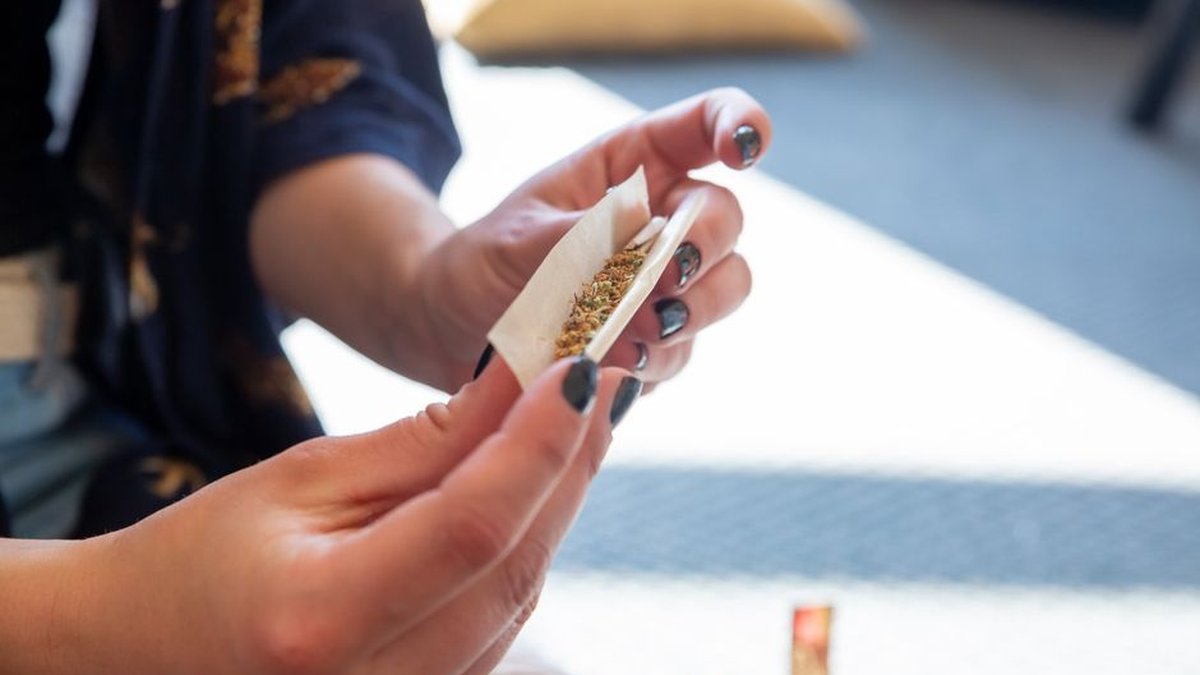
“Weed jokes” are quite popular among teenagers, but the actual consequences of using weed are a lot less amusing. In fact, cannabis can cause serious harm to teens, which is why you don’t want it anywhere near your child. But what if the worst has already happened and your teen is addicted? First of all, don’t panic or get angry; that will just make things worse. Instead, start by trying to consider why they started using cannabis products in the first place, ask the right questions about their mental health, and consider professional addiction treatment programs meant for youths.
Cannabis is Harmful to Young People. Period.
Many experts agree that cannabis use before the age of 25 should be a cause for concern for parents, as the substance has compounds that can be harmful to a developing teenage brain. Not only that, but data from Yale Medicine shows that 30% of cannabis users meet the clinical criteria for substance use disorder or addiction, a mental illness characterized by biological and neurological changes that prevent an individual from stopping substance use, even if it is causing harm.
To reiterate, this is an illness you’re dealing with, not a choice. And treating it like what it actually is is more likely to result in a better outcome.
Your Approach Matters
While addiction can rarely be treated without professional aid, you, as a parent, play an important role in helping your teen recover, but the effectiveness of your support depends on the approach you take.
For example, youth addiction experts like Clearfork Academy say that parents should not lead their first discussion with their teen with accusations about weed use; instead, they are advised to choose a calm moment to share observations about the teen’s behavior and state genuine concern for their mental health.
Bear in mind that this conversation is likely to be awkward and painful for the both of you, but it’s the necessary first step. That said, be prepared to listen more than you talk. Let your teen express their emotions freely, as a child who feels understood is more inclined to agree to receiving support.
Recovering from Weed Addiction
Once your teen is open to recovery, you can consider enrolling them in a youth rehab program. In these programs, a substance use counselor will help your child with evidence-based treatments designed to address marijuana use at its roots. The teen will also be able to be honest about their feelings in ways they may not feel safe doing so with you. It’s nothing personal against you, but some things just can’t be shared with parents. However, the opportunity to be completely honest with a third party may even lead to your child becoming more open around you in the future.
Treatments like these are offered in both outpatient and residential programs. If you’re curious about the difference, the former permits the patient to remain at home while receiving treatment and is suitable for more stable individuals, while the latter requires an extended stay in a clinical environment for 24/7 monitoring. Residential treatments are particularly recommended for those with severe cases and co-occurring mental health conditions, especially if they can’t be trusted to remain at home without reaching for more weed.
Beyond treatment, be prepared to set boundaries at home and enforce certain expectations and consequences for marijuana use. An empathetic approach does not preclude responsible parenting or accountability, so consider requiring mandatory check-ins and participation in support programs to ensure your teen maintains their progress.