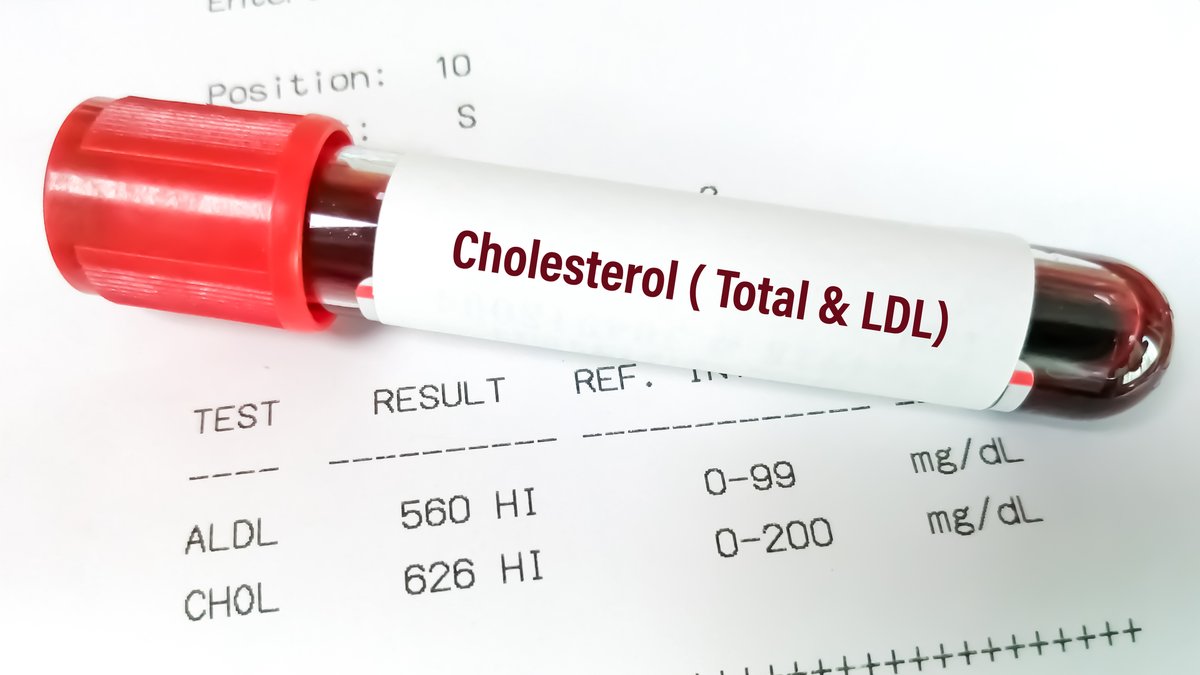
TRT Australia has released a guide addressing the link between low testosterone and elevated cholesterol in men, explaining why both markers often deteriorate together and what treatment options are available for those dealing with both conditions simultaneously.
More details can be found at https://trtaustralia.com/does-low-testosterone-affect-cholesterol-effects-explained/
TRT Australia explains that the biological connection between testosterone deficiency and elevated cholesterol centres on how certain cells within the endocrine system function. These cells extract LDL cholesterol from the circulation and convert it into testosterone through enzymatic processes. When testosterone production declines — whether due to ageing or other factors — less LDL is consumed for hormone synthesis, leading to accumulation in the bloodstream alongside elevated triglycerides and reduced HDL cholesterol.
TRT Australia notes that Australian men presenting with fatigue, reduced libido, and other low testosterone symptoms frequently discover unfavourable lipid panels during routine blood work, with both markers reflecting the same underlying hormonal disruption rather than separate health issues. Clinical evidence suggests that properly dosed Testosterone Replacement Therapy (TRT) may reverse this pattern by restoring physiological hormone levels and improving lipid profiles simultaneously.
To support men through treatment, TRT Australia uses assessment and ongoing lipid monitoring protocols designed to track hormonal and metabolic changes while maintaining cardiovascular safety. The clinic requires baseline hormone and metabolic panels — including lipid profiles — before treatment begins. Follow-up blood work is conducted at eight weeks and every four months thereafter to track total cholesterol, LDL, HDL, and triglycerides alongside testosterone levels.
Doctors affiliated with TRT Australia apply a conservative dosing approach focused on physiological restoration, adjusting protocols based on individual response patterns observed through regular monitoring. The company says treatment is structured to address both hormonal and cardiovascular markers simultaneously — an approach it distinguishes from protocols that monitor testosterone separately from metabolic health.
Australian men concerned about both hormone deficiency and cholesterol can access TRT Australia's services through a four-step pathway beginning with an initial consultation to evaluate symptoms and medical history. Recent blood work — conducted within the past four months — is required, covering hormone panels such as total and free testosterone, SHBG, and metabolic markers including lipid profiles.
For more information, visit https://trtaustralia.com/