Key Takeaways
- Adelaide men on private TRT typically spend between $1,650 and $2,300 annually - a figure that covers consultations, pathology, medication, and ongoing monitoring.
- A TRT prescription in Australia requires both a blood test confirming clinically low testosterone and documented symptoms - one without the other is rarely sufficient for a legitimate diagnosis.
- The PBS subsidy threshold sits at below 8 nmol/L with a documented pathological cause; some recent PBS criteria specify even lower thresholds. Most men accessing private TRT fall outside these strict PBS criteria but may still qualify for treatment under broader clinical guidelines.
- A free eligibility discussion can help determine whether your symptoms and medical history warrant further investigation, potentially saving you the time and expense of unnecessary testing or treatment.
Adelaide Men Are Spending $1,650-$2,300+ Annually on TRT - What Those Costs Cover
Testosterone Replacement Therapy is not a one-off purchase. For men in Adelaide who qualify for private treatment, the annual cost typically lands between $1,650 and $2,300, and understanding what drives that figure helps set realistic expectations before starting the process.
Those costs are spread across four main areas: an initial consultation, blood testing ($80-$290 depending on the panel and provider), ongoing testosterone medication, and regular follow-up monitoring every three to six months. No single line item is particularly alarming - the cumulative, long-term nature of TRT is what makes budgeting important from the outset.
For a detailed breakdown specific to Adelaide - including how PBS eligibility affects the medication cost - TRT Australia's Adelaide clinic guide walks through each cost category in plain terms.
Why Low Testosterone Gets Diagnosed Late
Low testosterone is chronically underdiagnosed. The symptoms develop gradually, often mirroring the effects of stress, poor sleep, or simply getting older - which makes it easy for both men and their doctors to overlook the hormonal picture entirely.
Symptoms That Warrant Assessment
The Endocrine Society of Australia is clear that a diagnosis of hypogonadism requires both biochemical evidence and consistent symptoms. The symptoms worth taking seriously include:
- Persistent fatigue that does not improve with rest
- Diminished libido or erectile difficulties
- Loss of muscle strength or noticeable increase in body fat
- Mood changes - particularly irritability or low mood
- Brain fog or difficulty concentrating
These are not vague or rare complaints. Many men experience several simultaneously for years before seeking assessment.
When Symptoms Alone Are Not Enough
Symptoms point toward an assessment - they do not confirm a diagnosis. A man presenting with fatigue and low libido could have low testosterone, but could equally have thyroid dysfunction, elevated cortisol, iron deficiency, or sleep apnoea. This is precisely why blood testing is non-negotiable under Australian clinical guidelines, and why reputable services will not prescribe based on a questionnaire alone.
The Clinical Bar for a TRT Prescription in Australia
In Australia, testosterone is a prescription-only medicine. It cannot legally be possessed or supplied without one. Any legitimate pathway to TRT must go through a qualified medical practitioner - and that practitioner must have objective evidence before prescribing.
Blood Level Thresholds Vary by Context
There is no single universal cut-off. Australian clinical guidelines generally identify total testosterone below 8-12 nmol/L as potentially indicative of hypogonadism when paired with consistent symptoms. For reference, a healthy adult male typically sits between approximately 8 and 30 nmol/L, though laboratory reference ranges vary by age and provider.
Where the picture gets nuanced is in how LH (luteinising hormone) interacts with those readings. A man with testosterone below 15 nmol/L alongside elevated LH may still meet criteria under some guidelines - because elevated LH signals that the body is already struggling to stimulate further testosterone production. This is why the full hormonal panel matters, not just one number.
PBS Subsidy vs. Private Prescription
PBS-subsidised testosterone carries stricter eligibility. To qualify, men over 40 without an established pituitary or testicular disease generally need serum total testosterone below 8 nmol/L - confirmed on at least two separate morning blood tests - alongside a documented pathological cause. Some recent PBS criteria specify even lower thresholds. Age-related testosterone decline, by itself, does not meet PBS criteria.
Men who fall between the PBS threshold and the clinical range for private treatment - or who have clear symptoms but borderline levels - are typically assessed on the full clinical picture rather than a single number. Private prescription allows that broader interpretation, though qualification is not automatic.
The Step-by-Step Telehealth Prescription Pathway
Telehealth has changed access significantly. For Adelaide men, that means no specialist waitlists, no cross-city travel, and no time off work for a waiting room.
Online Assessment and Initial Consultation
The process begins with an online symptom questionnaire - a validated screening tool that assesses energy, sexual function, mood, physical changes, and sleep. This pre-screening step filters out men who are unlikely to meet clinical criteria before any consultation takes place, saving time on both sides.
If the assessment suggests clinical deficiency is plausible, a consultation is scheduled via secure video call. The doctor reviews the symptom history in detail, asks about medical background, and determines which blood markers need testing based on the individual's situation. Evening appointments are typically available for working professionals.
Blood Testing at a Local Adelaide Pathology Centre
After the consultation, the doctor issues a pathology request. Adelaide men can use SA Pathology, Clinical Labs, or other local collection centres. Timing matters: blood should be drawn in the morning (when testosterone naturally peaks) and after at least 8 hours of fasting for the most reliable result.
If the first test returns low, a second confirmatory test is typically required before any prescription is considered - consistent with best-practice guidelines.
Results Review and Treatment Decision
Once results are back, a follow-up consultation walks through the findings in context. The doctor explains what the numbers mean alongside the reported symptoms, identifies any other hormonal imbalances flagged by the panel, and determines whether treatment is clinically appropriate.
If TRT is prescribed, a personalised treatment plan is developed - including the specific formulation, dosing schedule, administration method, and a monitoring timeline. For telehealth patients, medication is shipped directly to the home address, along with any supplies and instructional materials needed.
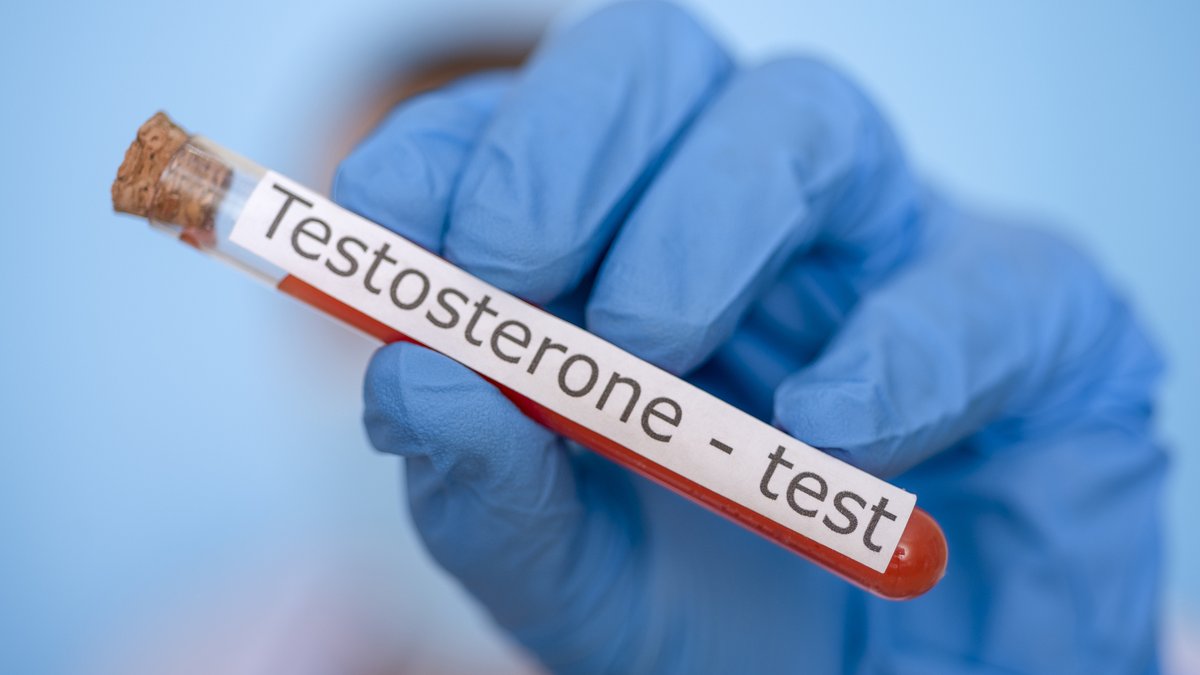
What the Blood Panel Actually Tests
A TRT blood panel goes well beyond a single testosterone reading. The markers assessed typically include:
- Total testosterone and free testosterone - the primary diagnostic markers
- SHBG (sex hormone-binding globulin) - affects how much testosterone is biologically active
- Oestradiol (E2) - important for monitoring conversion of testosterone to oestrogen
- LH and FSH - reveal whether the issue originates in the testes or the brain's signalling pathway
- Prolactin - elevated levels can suppress testosterone independently
- PSA - prostate-specific antigen, required for men over 40 before TRT is considered
- Full blood count, lipid profile, liver function, kidney function - baseline health markers that affect treatment safety
- Thyroid function (TSH/FT3/FT4), cortisol, DHEAS, IGF-1 - to rule out other causes of the presenting symptoms
This level of detail distinguishes a genuine clinical assessment from a superficial check. Missing key markers can result in either an incorrect diagnosis or an avoidable side effect down the line.
Breaking Down TRT Costs in Adelaide
Consultation and Diagnostic Fees
Initial consultations at traditional Adelaide clinics typically run $150-$300, sometimes partially Medicare-rebatable with a referral. TRT Australia offers the initial consultation at no cost. Pathology fees for a hormone panel range from $80-$250, depending on the number of markers and whether Medicare subsidises the request.
Ongoing Medication and Monitoring
Testosterone cypionate and enanthate injections are the most common TRT formulations. Costs vary depending on dosage, brand, and the prescribing arrangement - some clinics offer specific formulations at approximately $28 per 1ml, while monthly medication costs on private prescription can range more broadly. Follow-up consultations run $80-$120 for most review appointments, with men typically requiring check-ins every three to six months during the first year, and less frequently once stable. Monitoring blood tests recur at each review interval.
Across a full year, these figures combine to produce the $1,650-$2,300 range - with variation depending on dose, formulation, and how frequently reviews are required.
Think You Have Low T? Start with a Free Eligibility Discussion - Not a Diagnosis
The single most common mistake men make when researching TRT is treating symptom recognition as confirmation of diagnosis. Fatigue, low libido, and mood changes are real - but they are not exclusive to testosterone deficiency. The blood panel exists precisely to answer that question objectively.
A free eligibility discussion is the right first step: it establishes whether the symptoms and medical history warrant going further, without commitment or cost. Younger men wishing to have children should also discuss fertility implications with a doctor before starting TRT - testosterone therapy can reduce fertility, and that conversation belongs at the beginning of the process, not after treatment has started.