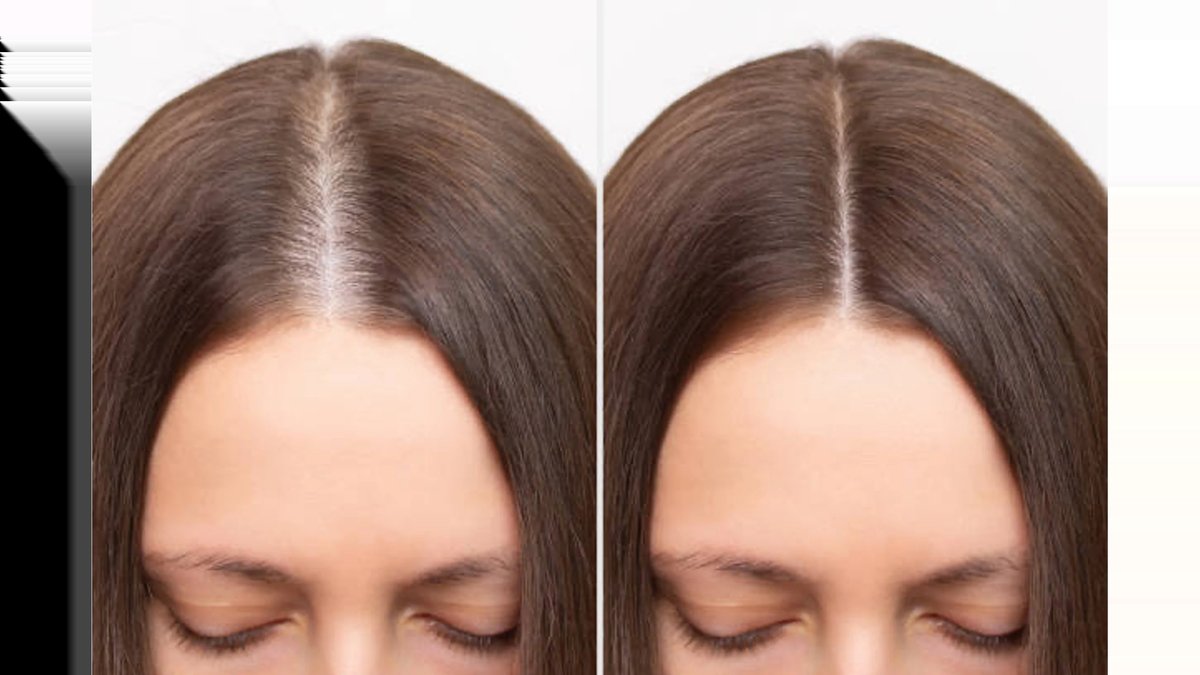
Trybello has published a new guide addressing a common but often unclear concern: whether a widening hair part reflects normal follicle variation or the early stages of hair thinning. The resource focuses on practical identification, helping readers distinguish between everyday changes in hair distribution and patterns that may indicate underlying issues requiring attention.
More details can be found at https://trybello.com/blogs/news/thinning-hair-vs-normal-hair-parting-differences-signs-to-look-for
Hair loss is both widespread and frequently misunderstood. According to the latest statistics from the American Academy of Dermatology, approximately 80 million people in the United States experience hereditary hair loss, while research cited by the National Institutes of Health indicates that visible thinning can develop gradually, making early changes difficult to interpret. A widening part is often one of the first noticeable signs, yet it can also occur temporarily due to styling habits, hair texture, or natural density differences, creating uncertainty for those trying to assess their condition.
Trybello's guide outlines several indicators that help differentiate between normal and progressive thinning. These include increased scalp visibility along the part line, a reduction in overall hair volume when tied back, and the presence of finer, shorter strands that may reflect follicle miniaturization. It also addresses shedding patterns, noting that while losing 50 to 100 hairs per day is considered typical, consistently higher levels or noticeable clumps may signal disruption to the hair growth cycle.
Context is a central focus. The resource explains that hair thinning is rarely caused by a single factor: hormonal changes, nutritional deficiencies, stress, and inflammatory scalp conditions can all influence density and growth patterns. By framing thinning as a multifactorial process, the guide emphasizes the importance of identifying contributing factors rather than relying on a single explanation or treatment. Furthermore, the guide highlights good nutrition and naturally-derived formulas which can help support hair growth, without the side effects associated with chemical treatments.
Dermatological guidance suggests that interventions introduced during the initial stages of thinning are more likely to preserve existing hair and support regrowth, explains Trybello. The guide therefore prioritizes observable signs and timelines, enabling readers to make more informed decisions about when to monitor changes and when to seek professional evaluation.
The publication is available through Trybello’s website and is intended as an accessible starting point for individuals assessing changes in their hair parting and overall density. For more information, visit https://trybello.com/