Key Takeaways
- Tree removal isn't always the answer — trimming or cabling often saves a struggling tree
- Houston's heat, storms, and oak wilt create specific tree-health risks
- ISA Certified Arborists assess structural risk before recommending removal
- Oak pruning has strict seasonal timing to prevent spreading oak wilt
Tree removal Houston decisions trip up a lot of property owners. A tree drops a big limb after a storm, or its leaves thin out one season, and the first instinct is to take the whole thing down. Sometimes that's the right move. Often it isn't — and getting it wrong is costly either way. Before making the call, it helps to understand the full range of tree service Houston options available, because removal is only one of them.
When trimming beats removal
Many trees that look like lost causes are structurally sound and just need attention. Dead or crossing branches can be pruned away. Weak or storm-damaged limbs can frequently be stabilized with professional cabling and bracing rather than removing the whole tree. Thinning the crown improves airflow and can revive a tree that's simply stressed. A good arborist looks hard for what can be saved first — a mature shade tree is difficult and expensive to replace.
When a tree really does need to come down
Removal becomes the right call when a tree is dead, structurally failing, leaning toward a structure, hollowed out by decay, or diseased beyond recovery. Trees being cleared for new construction are a separate case. The deciding factor is almost always risk: if a tree threatens people or property and can't be made safe, it needs to come down before the next storm makes the decision for you. When it does, professional tree removal Houston services can handle it safely with the right equipment and rigging.
The oak wilt timing problem
In the Houston area, oaks carry a specific and serious risk. Pruning at the wrong time of year can help spread oak wilt, a fungal disease that can kill an oak fast and jump to neighboring trees. That's why timing matters — oak work belongs in the cold dormant window, not whenever it happens to be convenient. This is one of the clearest cases where hiring a certified professional saves you from an expensive, irreversible mistake.
How a certified arborist assesses risk
An ISA Certified Arborist evaluates the whole tree: root health, trunk integrity, canopy condition, degree of lean, and proximity to structures and power lines. The assessment produces a recommendation grounded in tree science rather than guesswork — trim, treat, stabilize, or remove. For a homeowner staring at a questionable tree, a professional consultation replaces a stressful guess with a clear plan and a real cost.
What safe removal actually involves
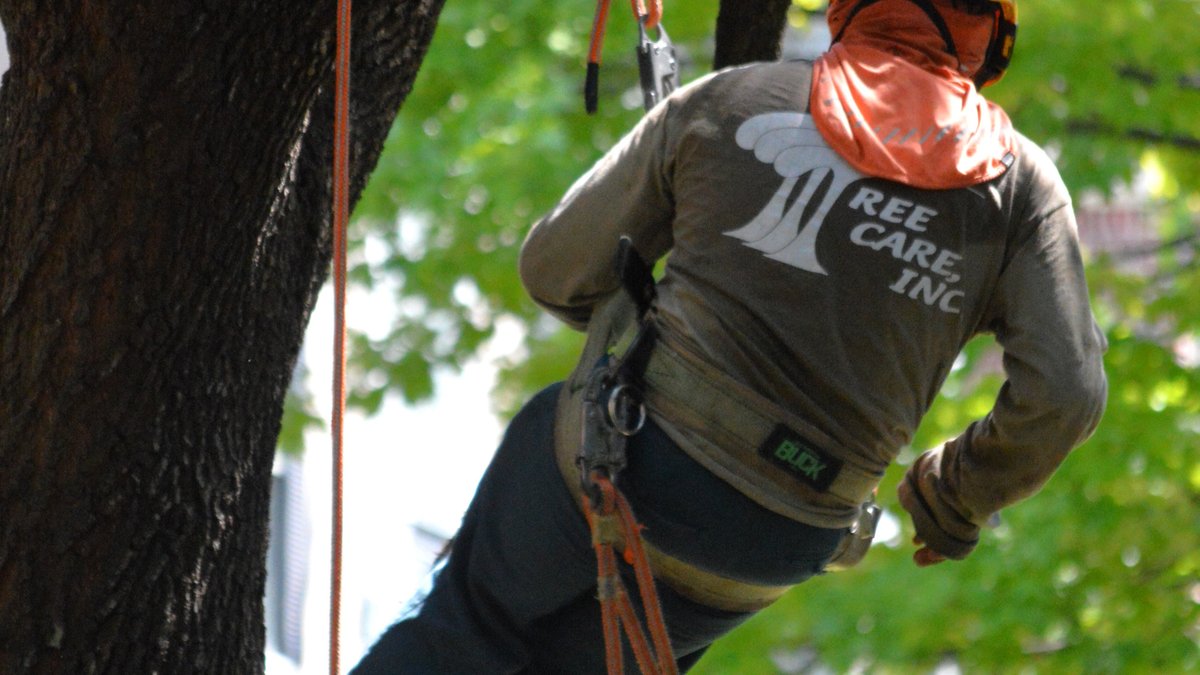
When removal is the answer, method matters as much as the decision. A block-and-tackle rigging setup lets a crew lower branches piece by piece instead of dropping them, protecting fences, flower beds, and anything else underneath. Once the tree is down, stump grinding removes the trip hazard and clears the ground for replanting or new landscaping.
The bottom line
Don't assume the worst the moment a tree gives you trouble. Some of the ugliest-looking trees are the most savable, and some healthy-looking ones hide real structural danger. A certified assessment is the only reliable way to know which is which. Family-owned and serving Greater Houston for nearly 50 years, Tree Care, Inc. provides free, no-obligation estimates from ISA Certified Arborists.